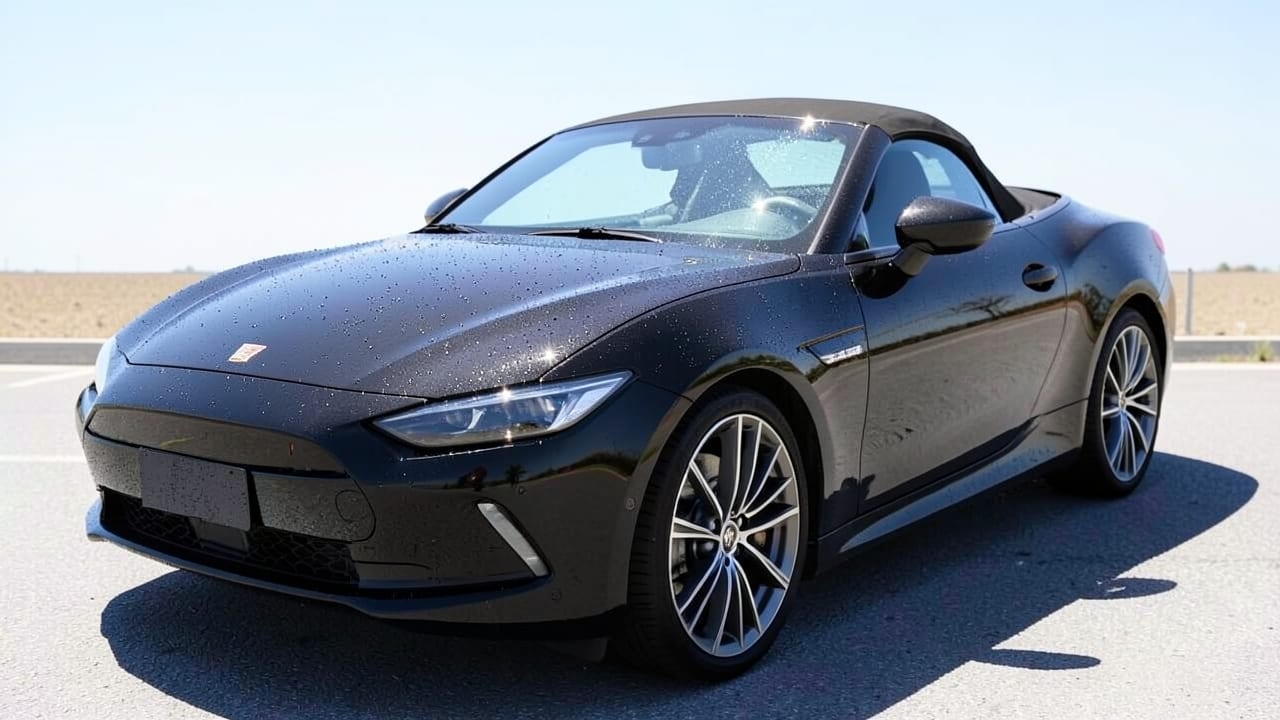
Convertible Top Protection
Ceramic coating and protective treatments applied to convertible tops for durability and UV resistance.
In Honolulu’s sunny, humid climate, convertible tops endure constant wear from UV rays, salt air, and tropical downpours. Ceramic coating for convertible tops adds a protective layer to shield fabric or vinyl from fading, cracking, and staining, helping preserve the material’s texture and appearance.
This service is tailored for residents across Oahu, from Pearl City to Waipahu, ensuring your convertible stays in prime condition year-round.
We also handle Interior Ceramic Protection and Headlight Restoration & Coating for Honolulu vehicles.
When your convertible top needs protection
Convertible tops degrade faster in Honolulu’s climate due to prolonged sun exposure, salt spray, and frequent use. UV rays weaken fibers, while salt air accelerates fabric breakdown. If your top feels stiff, shows discoloration, or resists folding smoothly, it’s time for protection.
Ceramic coatings create a barrier against stains, water absorption, and wear, extending the lifespan of both fabric and vinyl tops.
Look for signs like fading, cracking along seams, or difficulty retracting the top. Water beading poorly or leaving stains after rain is another indicator. These issues often worsen in humid conditions, making proactive protection essential for Oahu’s drivers.
Signs Your Convertible Top Needs Ceramic Coating
- Top appears faded or discolored, especially in direct sunlight
- Fabric or vinyl feels stiff or resistant when retracting/extending
- Water beads poorly or leaves stains after rain
- Visible cracks or peeling along seams or edges
- Top retains odors or stains that won’t wash out
What affects your convertible top protection service
The level of prep work required before coating directly impacts how well the protection holds up. Dirty, contaminated, or damaged tops need extra cleaning and correction to ensure the coating bonds properly.
For example, salt buildup from coastal drives or bird droppings left unchecked can compromise the finish. The type of material—fabric vs. vinyl—also influences the process and product used.
Honolulu’s weather plays a role too. Humidity can affect curing times, while frequent rain may require adjustments to the drying process. The age and condition of your top determine whether full correction is needed before coating.
A well-maintained top may only need a refresh, while a neglected one requires deeper prep.
| Factor | Impact on Service | Typical Adjustment |
|---|---|---|
| Top Material | Fabric absorbs more contaminants; vinyl resists stains but degrades from UV. | Fabric may need deeper cleaning; vinyl may require UV-blocking additives. |
| Contamination Level | Salt, bird droppings, or mold buildup require extra decontamination. | Additional cleaning steps or pre-treatment may be added. |
| Age of Top | Older tops may have embedded stains or weakened fibers. | Possible correction or patching before coating. |
| Climate Exposure | Salt air and UV accelerate wear, increasing prep needs. | Extended drying time or humidity-controlled application. |
Why prep matters more than the coating itself
Skipping proper prep—like clay barring or chemical decontamination—leads to poor adhesion and uneven protection. In Honolulu’s environment, residual salt or brake dust can trap moisture, causing the coating to fail prematurely. A thorough prep ensures the coating bonds smoothly, lasts longer, and resists stains, water, and UV damage more effectively.
Think of it like painting a wall: if dust and grease aren’t removed first, the paint won’t stick. The same principle applies to ceramic coatings. Without proper surface prep, the protection may wear thin in high-exposure areas, like the top’s edges or seams.
Applying coating over uncorrected swirl marks or embedded contaminants locks those flaws in permanently. In Honolulu’s heat and humidity, this can lead to uneven wear and shorter protection lifespan.
How convertible top protection works
- 1Foam Wash and Wheel Cleaning
The top is first cleaned with a foam pre-wash to remove loose dirt, followed by a separate wheel-and-tire cleaning pass. Different mitts are used for paint and wheels to prevent brake dust from scratching the top’s surface during cleaning.
- 2Chemical Decontamination
Iron remover and tar/bug remover are applied to strip embedded brake dust and road grime from the fabric or vinyl. This step ensures contaminants below the surface are lifted before mechanical cleaning begins.
- 3Clay Bar Treatment
A clay bar or mitt is worked across the top with a lubricant to pull out bonded contaminants like overspray or industrial fallout. The goal is to leave the surface physically smooth to the touch, confirming decontamination is complete.
- 4Coating Application
The ceramic coating is applied panel by panel in a controlled environment with specific humidity and temperature. The top is left undisturbed to cure fully before exposure to rain or washing.
- 5Curing and Post-Care
During the cure period, the top should be kept dry and shaded to prevent water spots or uneven curing. Proper maintenance—like using a two-bucket wash method and pH-neutral soap—helps the coating last longer in Honolulu’s climate.
Frequently asked questions
How long does convertible top protection last in Honolulu’s climate?
Ceramic coatings typically last 2–5 years on convertible tops, depending on material type, prep quality, and maintenance. Honolulu’s humidity and UV exposure can shorten this if the top isn’t properly maintained, such as by avoiding automatic car washes or rinsing contaminants promptly.
Will coating protect my top from salt damage near the coast?
Coating adds a barrier against salt corrosion, but it’s not a complete shield. Regular rinsing after coastal drives and avoiding prolonged exposure to salt spray help extend the protection. The coating is intended to complement good cleaning habits, not replace them.
Can I still use my convertible after the coating is applied?
Yes, but the top should be kept dry and shaded for the full cure period—usually 24–72 hours. Avoid retracting or folding the top during this time to prevent water spots or uneven curing. Follow post-care instructions to maintain the finish.
Does the coating work on both fabric and vinyl tops?
Yes, but the process and products may vary slightly. Vinyl tops benefit from UV-blocking additives, while fabric tops may require deeper cleaning to remove embedded oils or stains. The coating’s effectiveness depends on the prep work specific to the material.
See Halawa, HI for more, or explore what we cover for Honolulu vehicles on a single page for our complete lineup.
Ready to get started?
Talk to a local ceramic coating pro in Honolulu — get a written quote.
Other Ceramic Coating Services in Honolulu
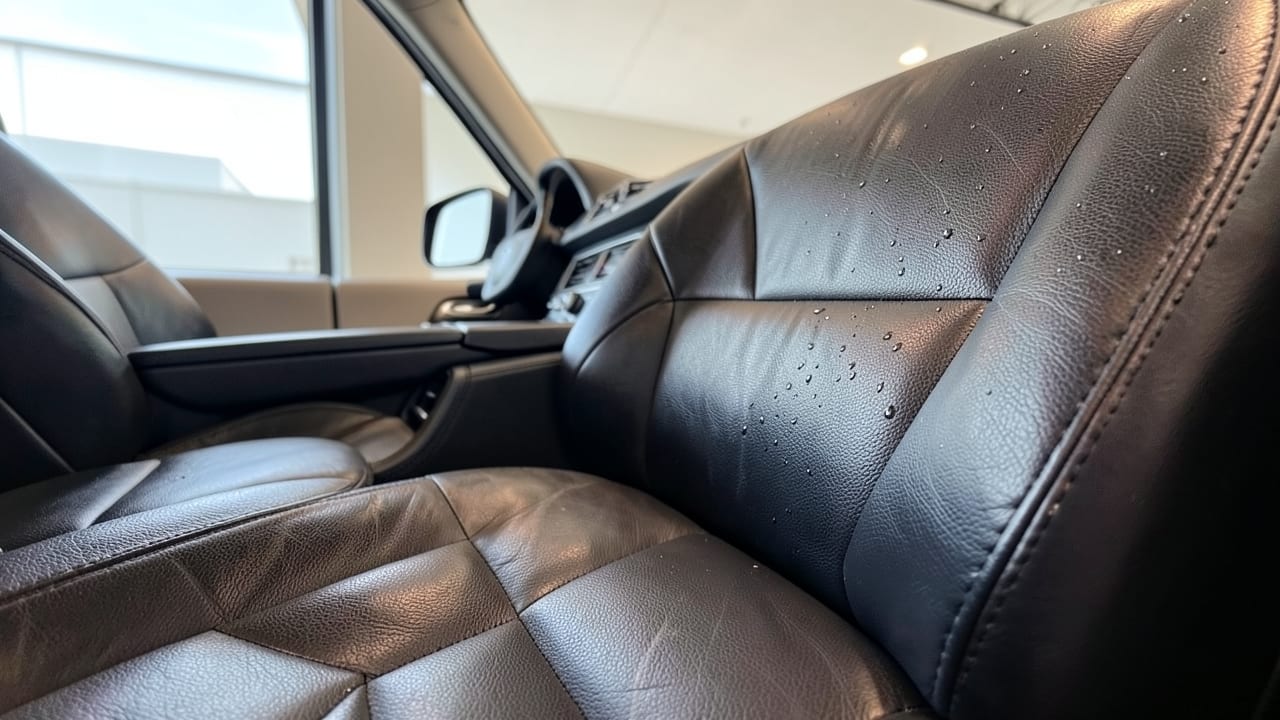
Interior Ceramic Protection in Honolulu, HI
Interior fabric, leather, and trim ceramic protection in Honolulu, HI — guards against spills, UV fading, and daily wear.
Learn More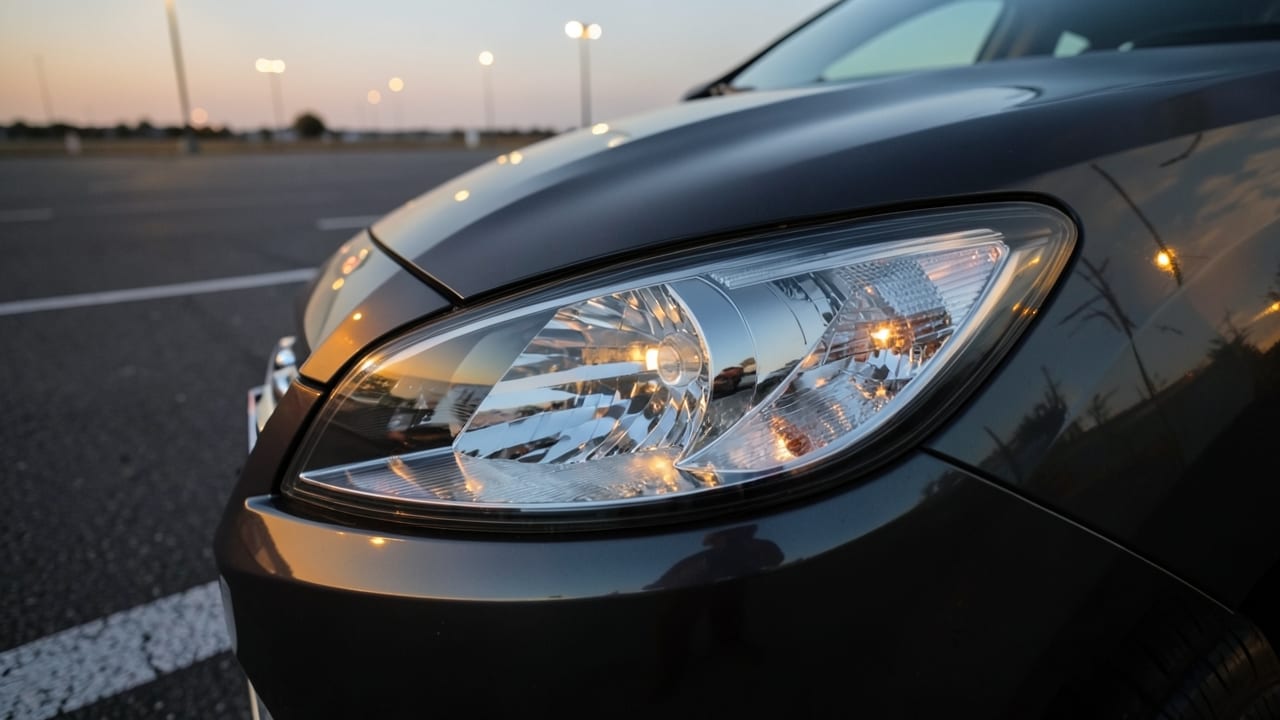
Headlight Restoration & Coating in Honolulu, HI
Headlight restoration and UV-protective coating in Honolulu, HI — restores clarity and nighttime visibility without replacing the assembly.
Learn More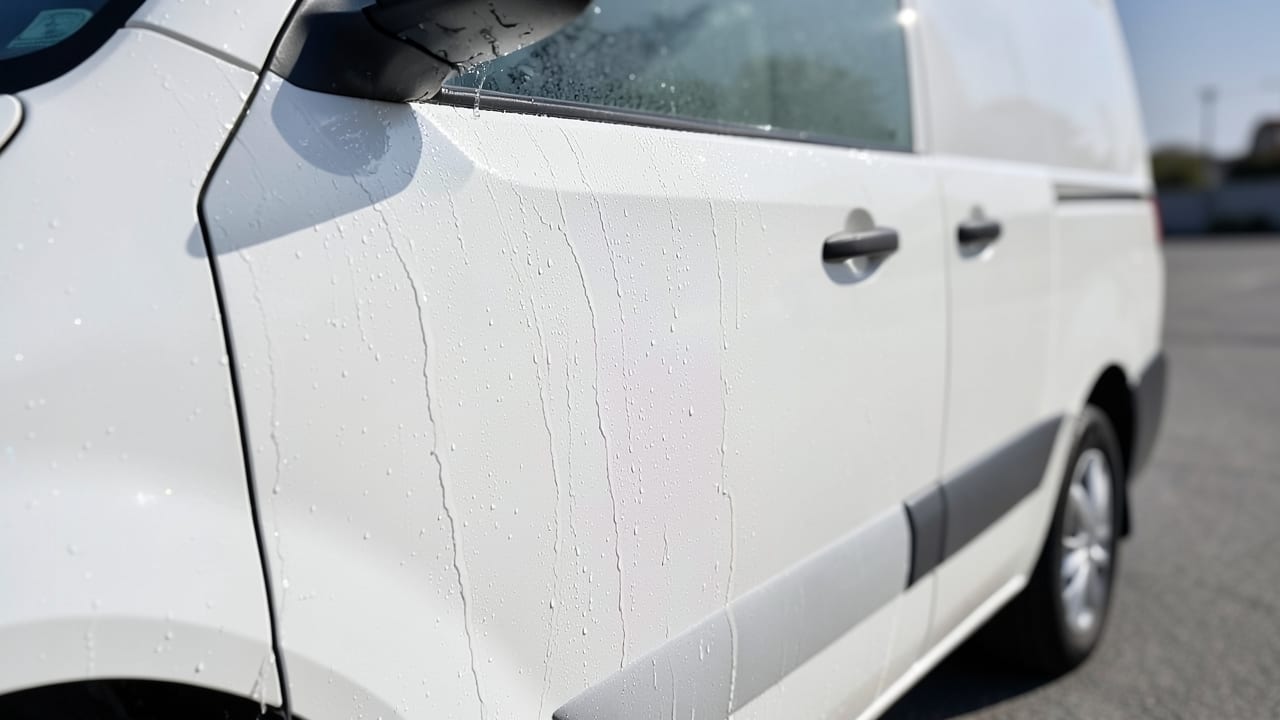
Fleet & Commercial Vehicle Coating in Honolulu, HI
Ceramic coating programs for fleets and commercial vehicles in Honolulu, HI — faster washing, longer-lasting branded wraps, and protected resale value.
Learn More
Graphene Coating in Honolulu, HI
Graphene coating in Honolulu, HI — a premium ceramic alternative with better heat rejection and hydrophobic durability.
Learn More
Clay Bar Paint Decontamination in Honolulu, HI
Clay bar paint decontamination in Honolulu, HI removes bonded surface contaminants a wash alone can't touch, before coating or correction.
Learn More
Engine Bay Detailing in Honolulu, HI
Engine bay detailing in Honolulu, HI — safe degreasing and dressing of the engine compartment without risking electrical components.
Learn MoreCommon Questions About Ceramic Coating in Honolulu
Everything you need to know about ceramic coating services in Honolulu
How much does Convertible Top Protection typically cost in Honolulu, HI?
Does intense UV and dust in Honolulu, HI change coating maintenance?
Can a ceramic coating be applied over existing swirl marks or light scratches?
Is ceramic coating ever covered by comprehensive auto insurance?
Can ceramic coating be applied over a vinyl wrap or matte paint?
What does proper paint prep before a ceramic coating actually involve?
Need Ceramic Coating in Honolulu?
Get a written quote from our Honolulu crew.
⏰ We answer your call • Serving all of Honolulu and surrounding areas