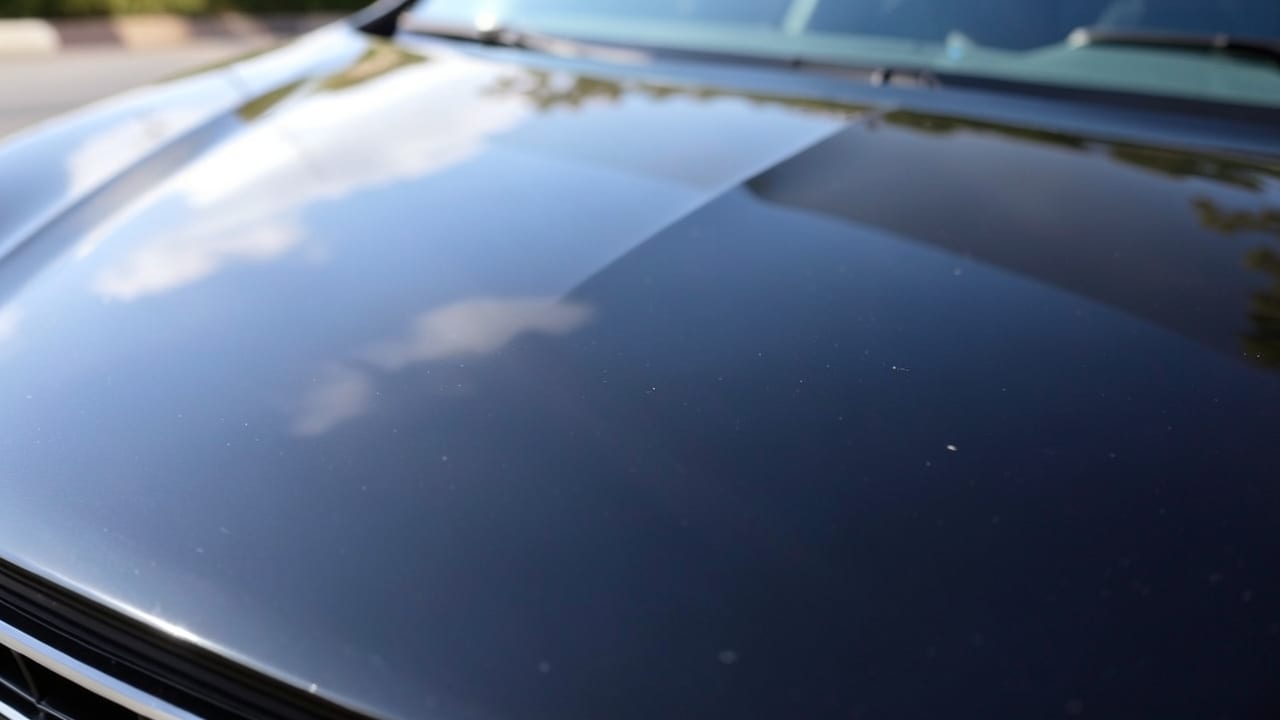
Bird Dropping Removal
Professional removal of bird droppings to prevent paint damage and maintain ceramic coatings.
Bird droppings in Honolulu contain corrosive acids that can etch paint and degrade ceramic coatings over time. Local conditions—like high humidity, salt air, and frequent bird activity—make timely removal essential to prevent permanent damage.
A targeted approach identifies the contaminant, neutralizes it safely, and restores surface protection to keep your vehicle’s finish intact.
We also handle Fleet & Commercial Vehicle Coating and Graphene Coating for Honolulu vehicles.
Why bird droppings need special care in Honolulu
Honolulu’s climate accelerates the damage from bird droppings. Salt air and humidity speed up acid corrosion, while frequent rain can wash away protective coatings if the residue isn’t neutralized first. Droppings left for even a few days can etch paint, leaving dull spots or permanent discoloration that won’t buff out.
The problem isn’t just the visible stains—embedded contaminants like iron particles from brake dust or tree sap can bond to the clear coat, creating a rough texture that feels gritty under your hand. These often survive regular washing and require targeted chemistry to remove without scratching the surface.
Signs Your Vehicle Needs Bird Dropping Removal
- Dark, stubborn specks remain after washing, especially on light-colored paint or clear coat.
- Paint feels rough or gritty when touched, even after a thorough wash.
- Faint shadows or residue reappear in the same spots after parking under trees or near bird activity.
- Orange or rust-colored specks appear behind the front wheels, often after highway driving.
How contaminants affect your vehicle’s finish
Not all stains respond to the same treatment. Bird droppings, brake dust, and tree sap each require specific chemistry to avoid spreading or damaging the paint. Using the wrong product—like an all-purpose cleaner on iron particles—can smear contaminants across a wider area, making removal harder and increasing surface damage.
Mechanical methods like clay bars or mitts are used *after* chemical treatments dwell to lift embedded residue. Skipping this step can leave fine scratches from dragging undissolved particles across the paint. The goal is to restore the surface without compromising the existing protection.
| Contaminant Type | Common Signs | Why It’s Problematic |
|---|---|---|
| Bird droppings | White/yellow crusty residue, often in clusters | Acidic; etches paint and degrades ceramic coatings over time |
| Brake dust (iron particles) | Orange/rust specks, especially behind wheels | Bonds to clear coat; creates rough texture that traps dirt |
| Tree sap | Sticky, dark spots that reappear after washing | Adhesive; hardens into a film that scrubs off unevenly |
| Tar/road grime | Black, glossy patches that resist soap | Chemically bonds to paint; requires solvent-based removal |
What happens if you wait too long?
Bird droppings and other contaminants become harder to remove the longer they sit. Within days, acids can etch the clear coat, and embedded particles create a permanent rough texture.
Regular washing may temporarily hide the issue, but it doesn’t remove bonded contaminants—only targeted decontamination and protective follow-up can restore the finish.
Local factors like salt air and humidity worsen the problem. A vehicle parked near trees, power lines, or bird nesting areas in Honolulu may need more frequent spot treatments. Addressing stains within 48 hours of landing prevents them from becoming a full decontamination job later.
How bird dropping removal works
A step-by-step process ensures contaminants are neutralized without damaging your vehicle’s finish.
- 1Contaminant Identification
The type of stain—bird droppings, brake dust, or sap—is identified first, as each requires a specific chemical treatment. Droppings are acidic and need a pH-neutralizing agent, while iron particles from brake dust require an iron remover to dissolve.
- 2Targeted Chemical Treatment
A product formulated for the contaminant is applied and left to dwell (typically 2–5 minutes) to break down the bond. Scrubbing too soon can spread the contaminant and cause micro-scratches. For example, a dedicated iron remover is used for brake dust, not an all-purpose cleaner.
- 3Mechanical Lift (If Needed)
After chemical treatment, a clay bar or mitt is gently worked over the area with a lubricant to lift remaining residue. This step prevents dragging undissolved particles across the paint, which would create fine scratches. The clay is discarded after one use to avoid reintroducing contaminants.
- 4Rinse and Inspection
The area is rinsed thoroughly to remove all product residue, then inspected under direct light (like sunlight) to confirm the contaminant is fully gone. Some stains may appear removed indoors but reappear outdoors, indicating residual embedded particles.
- 5Protective Follow-Up
A spray sealant or coating topper is applied to restore the protective layer stripped during decontamination. This step helps prevent future contaminants from bonding as deeply, extending the time between treatments.
Frequently asked questions
Can I remove bird droppings myself with household cleaners?
Household cleaners like dish soap or vinegar may temporarily reduce visibility but often leave acidic residues that continue to damage the paint. Bird droppings require a pH-neutralizing agent designed for automotive finishes to fully neutralize the acids without causing further harm.
Will a ceramic coating protect my car from bird droppings in the future?
Ceramic coatings add a layer of protection against light contaminants, but they don’t prevent bird droppings from landing or bonding. Timely removal is still necessary—coatings make stains slightly easier to clean but don’t eliminate the need for targeted treatment when droppings are left untreated.
How often should I check for bird droppings in Honolulu?
In areas with high bird activity, like near trees or power lines, checking your vehicle every 2–3 days during peak seasons (spring and summer) helps catch droppings early. Parking under carports or in garages when possible reduces exposure, but even then, regular inspections are recommended.
What’s the difference between a ‘spot treatment’ and full decontamination?
Spot treatment targets small, recent stains with minimal surface disturbance, while full decontamination is needed for embedded contaminants, etched paint, or widespread buildup. A spot treatment might involve just chemical neutralization, while decontamination includes clay bar work, iron removal, and protective follow-up.
See Waipahu, HI for more, or discover everything Honolulu vehicle owners can book with us in full for our complete lineup.
Ready to get started?
Talk to a local ceramic coating pro in Honolulu — get a written quote.
Other Ceramic Coating Services in Honolulu
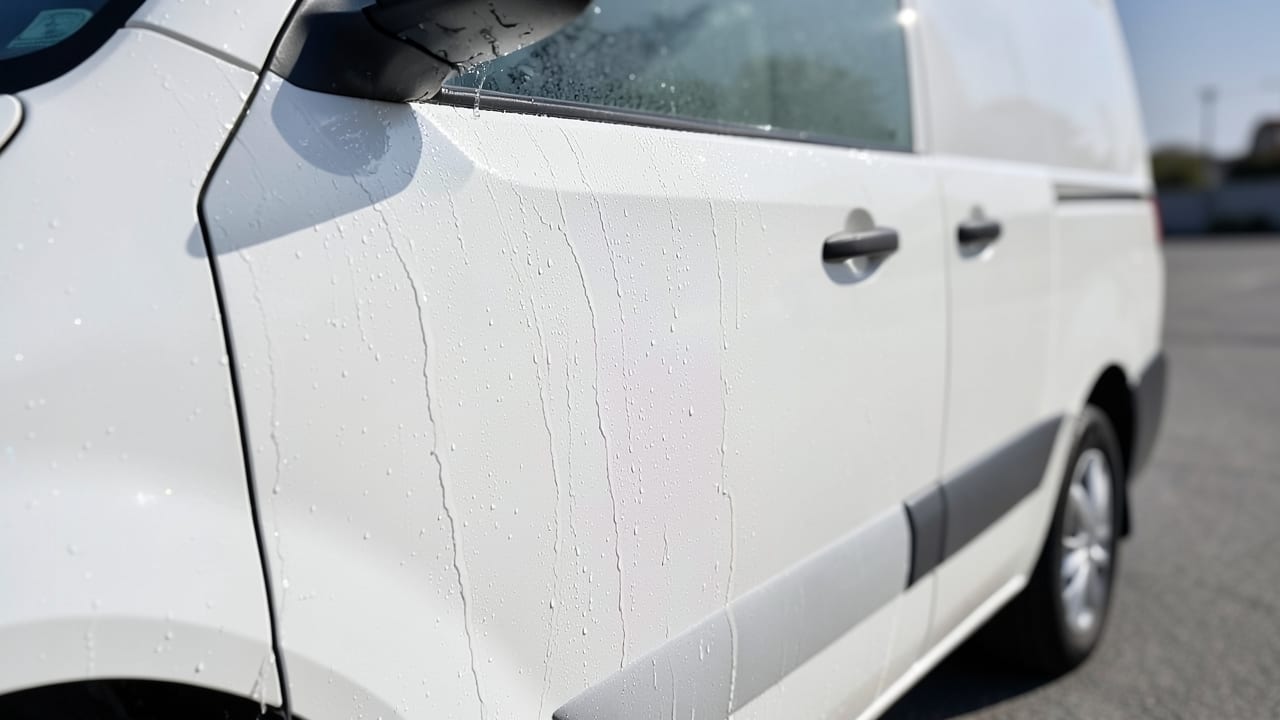
Fleet & Commercial Vehicle Coating in Honolulu, HI
Ceramic coating programs for fleets and commercial vehicles in Honolulu, HI — faster washing, longer-lasting branded wraps, and protected resale value.
Learn More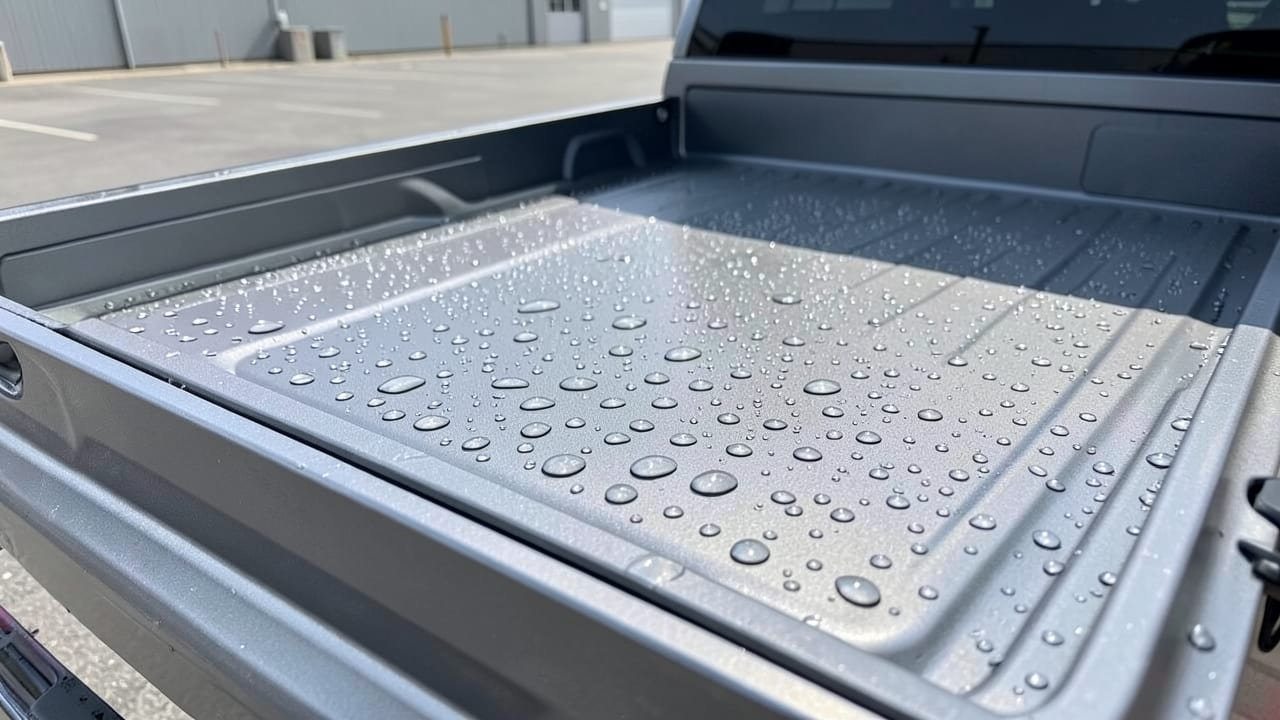
Graphene Coating in Honolulu, HI
Graphene coating in Honolulu, HI — a premium ceramic alternative with better heat rejection and hydrophobic durability.
Learn More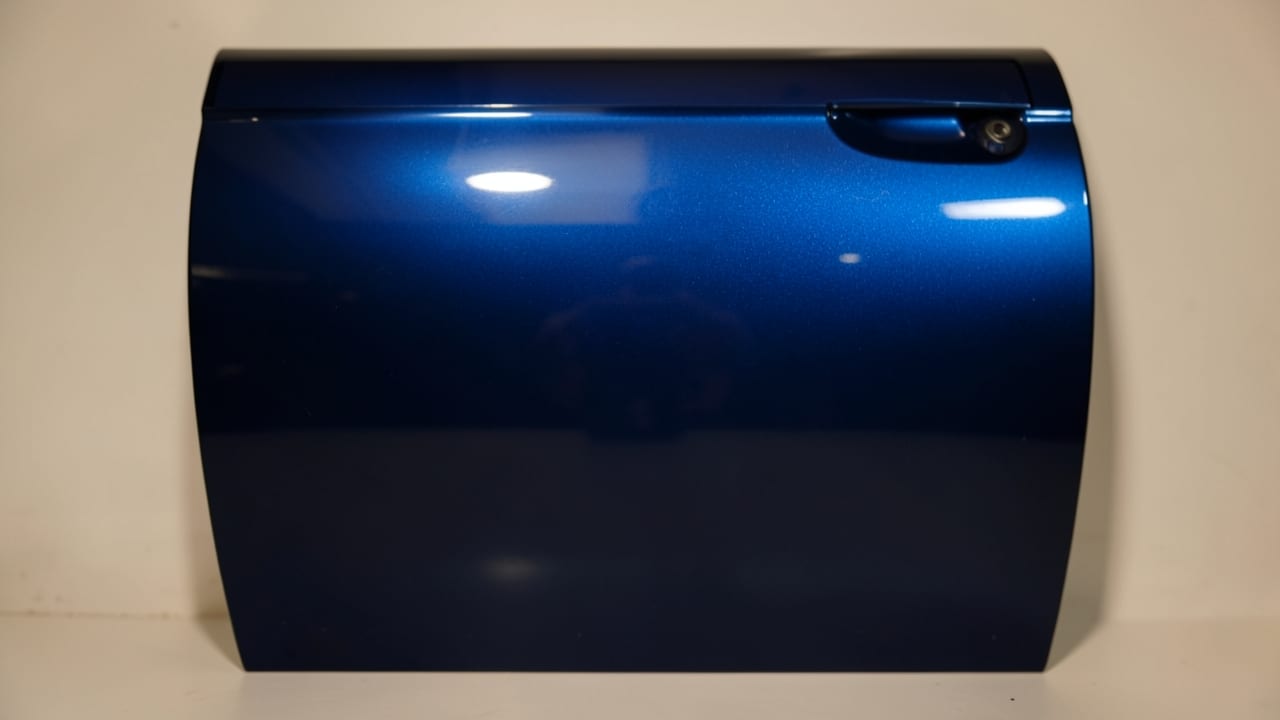
Clay Bar Paint Decontamination in Honolulu, HI
Clay bar paint decontamination in Honolulu, HI removes bonded surface contaminants a wash alone can't touch, before coating or correction.
Learn More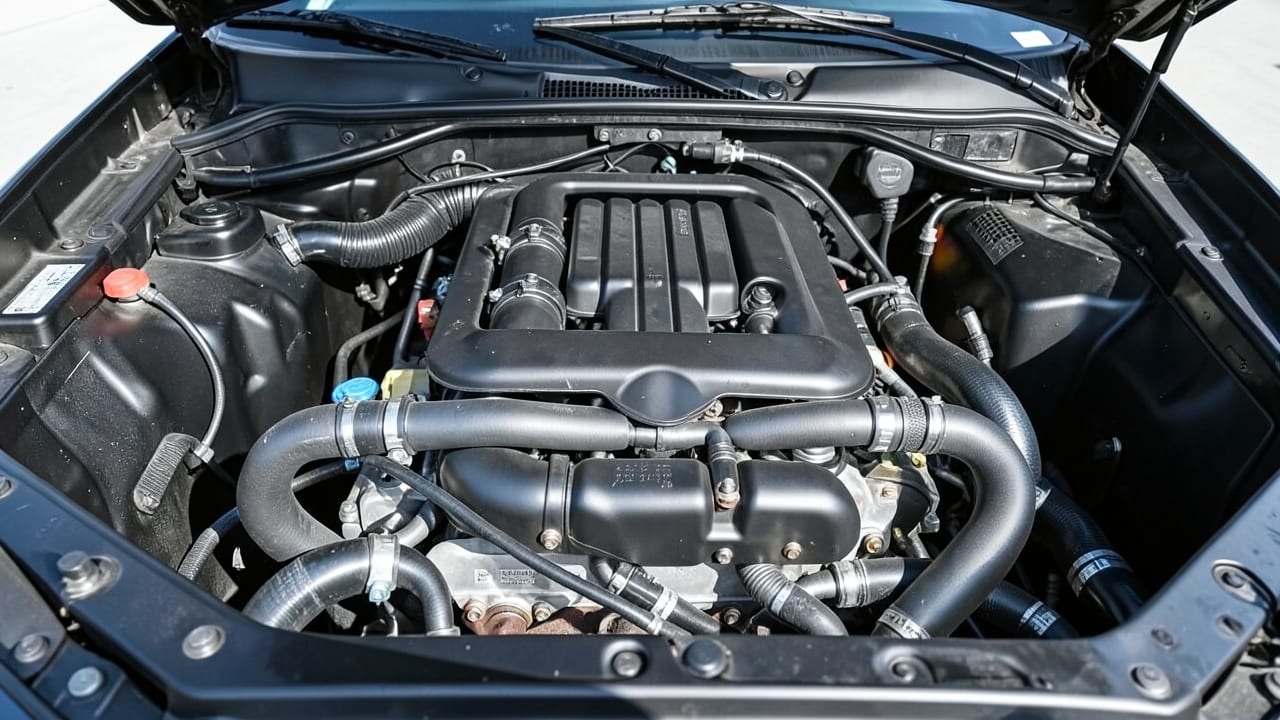
Engine Bay Detailing in Honolulu, HI
Engine bay detailing in Honolulu, HI — safe degreasing and dressing of the engine compartment without risking electrical components.
Learn More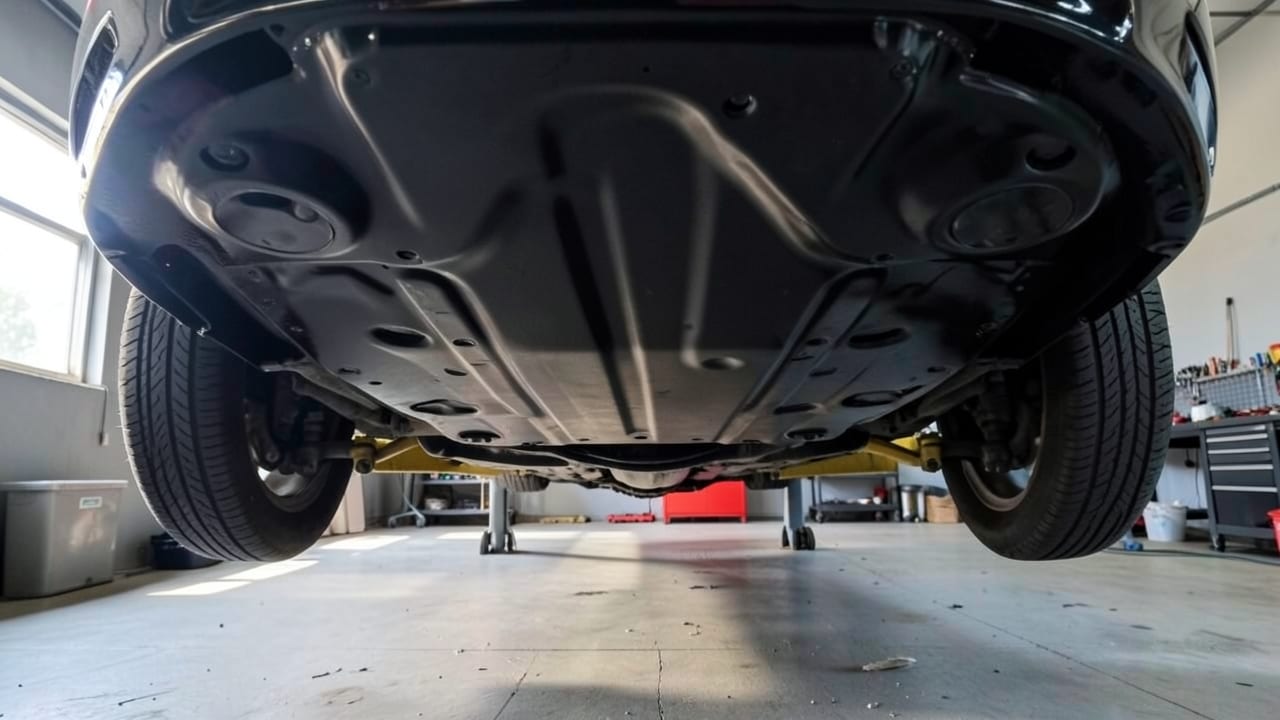
Undercoating Rustproofing in Honolulu, HI
Ceramic undercoating applied to vehicle chassis to prevent rust and corrosion.
Learn More
Convertible Top Protection in Honolulu, HI
Ceramic coating and protective treatments applied to convertible tops for durability and UV resistance.
Learn MoreCommon Questions About Ceramic Coating in Honolulu
Everything you need to know about ceramic coating services in Honolulu
How much does Bird Dropping Removal typically cost in Honolulu, HI?
Does intense UV and dust in Honolulu, HI change coating maintenance?
What is the difference between graphene and SiO2 ceramic coatings?
Does a ceramic coating need to be topped up over time?
Can a ceramic coating be applied over existing swirl marks or light scratches?
Is ceramic coating ever covered by comprehensive auto insurance?
Need Ceramic Coating in Honolulu?
Get a written quote from our Honolulu crew.
⏰ We answer your call • Serving all of Honolulu and surrounding areas