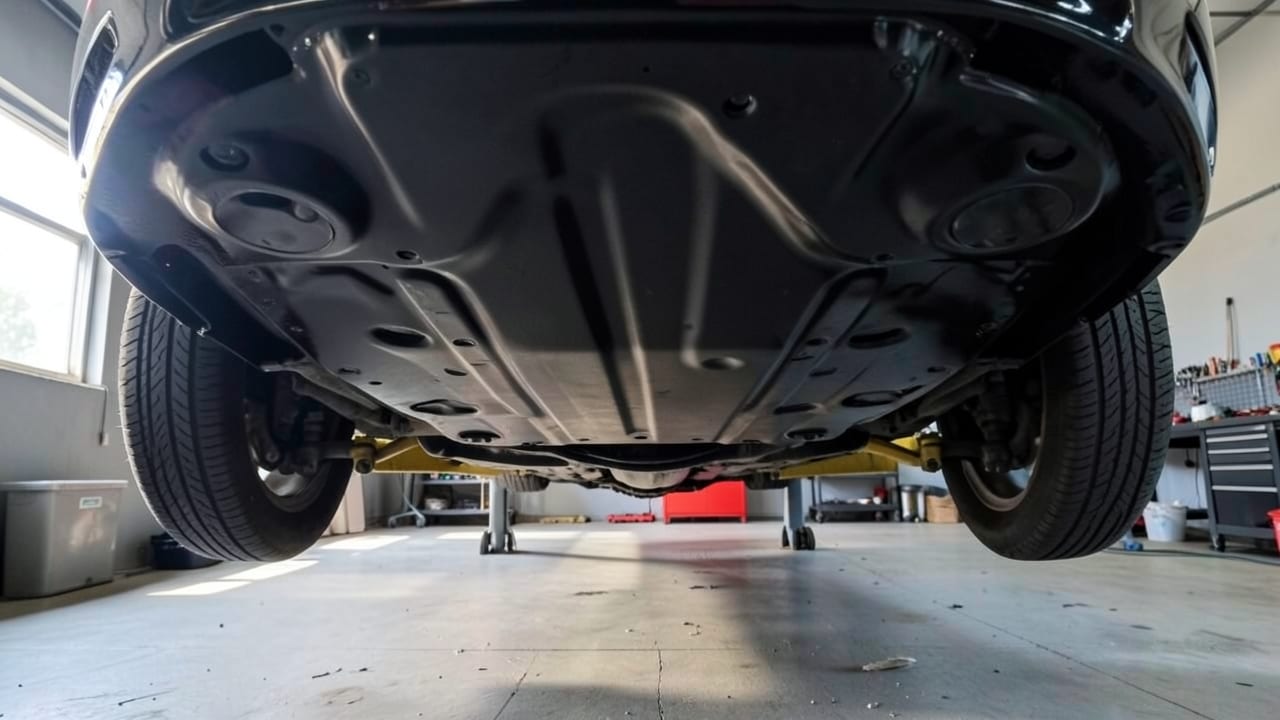
Undercoating Rustproofing
Ceramic undercoating applied to vehicle chassis to prevent rust and corrosion.
Honolulu’s humid climate, road salt from nearby military bases, and frequent exposure to saltwater spray accelerate rust and corrosion on vehicle undercarriages. Undercoating rustproofing applies a protective ceramic barrier to shield metal components from moisture, salt, and road debris, extending the lifespan of your car’s underbelly.
This service is tailored to Honolulu’s unique environmental challenges, including high humidity and coastal exposure.
We also handle Graphene Coating and Clay Bar Paint Decontamination for Honolulu vehicles.
Signs your vehicle needs undercoating rustproofing
If your vehicle’s undercarriage shows signs of surface rust, flaking paint, or excessive dirt buildup, it’s time to consider undercoating. Honolulu’s mix of saltwater spray, road salt, and tropical humidity creates ideal conditions for corrosion to develop quickly, even on newer vehicles.
Ignoring early signs can lead to more extensive (and expensive) damage over time.
Another key indicator is how water behaves on your paint. If water no longer beads up smoothly but instead spreads out in flat sheets, it means the protective layer on your paint has worn away.
This is often accompanied by fine swirl marks that only appear under direct sunlight or when viewed at an angle, especially on darker-colored vehicles. These marks are caused by routine washing and can’t be hidden by a coating unless corrected first.
Check for These Rust and Corrosion Signs
- Surface rust or flaking paint on the undercarriage, wheel wells, or chassis
- Excessive dirt or grime buildup that doesn’t wash off easily, even with a pressure wash
- Water spreading instead of beading on the paint surface (indicates loss of protective layer)
- Fine swirl marks visible only under direct sunlight or at an angle, especially on dark paint
- Dull or hazy paint that loses its shine shortly after washing, rather than retaining gloss
What affects pricing and timing for undercoating rustproofing
The scope of your vehicle’s undercoating service depends on its current condition and the level of protection you want. A basic undercoating application focuses on sealing the undercarriage, while a full rustproofing service may include additional treatments like sound deadening and extra corrosion protection.
The size and type of your vehicle also play a role—larger SUVs or trucks require more material and labor time than sedans.
Preparation is a critical factor in both cost and timing. If your vehicle’s undercarriage has existing rust or heavy contamination, additional steps like rust removal, sanding, or extra cleaning may be required before applying the coating.
These steps ensure the protective layer adheres properly and lasts longer, but they do add to the overall time and cost.
| Factor | Impact on Pricing/Timing |
|---|---|
| Vehicle Size/Type | Larger vehicles (SUVs, trucks) take longer and require more material than sedans or compact cars. |
| Current Condition | Existing rust or heavy contamination may require extra prep work, increasing both time and cost. |
| Coating Tier | Single-layer coatings are faster and less expensive, while multi-layer or graphene-based coatings take longer and cost more. |
| Preparation Steps | Full decontamination (clay bar, iron removal) adds time but improves long-term adhesion and durability. |
| Location Accessibility | Vehicles with limited undercarriage access (e.g., low clearance) may require additional labor for proper application. |
Why proper post-coating care matters in Honolulu’s climate
Honolulu’s humid and salty environment means your freshly coated vehicle is especially vulnerable in the weeks following application. The first few washes and exposure to the elements set the foundation for how long the coating will perform at its best.
Using the wrong products or habits—like automatic car washes with spinning brushes—can introduce fine scratches that become more visible on a glossy coated surface.
Parking in direct sunlight during the curing period can cause the coating to cure unevenly, leading to high spots or streaks that may require polishing. Similarly, exposing the vehicle to rain or washing it too soon can trap water spots or mineral deposits in the surface, compromising the finish.
Following a gentle maintenance routine during this time helps the coating bond properly and lasts longer.
Water exposure before the coating fully cures can leave permanent water-spot marks. Heavy dew, rain, or even a wash during the curing window (typically 3–7 days) can cause mineral deposits to embed in the surface, reducing durability. Always check the product’s cure time and avoid parking in direct sun during this period to prevent uneven curing.
How undercoating rustproofing works
This process involves thorough cleaning, decontamination, and the application of a protective ceramic coating to shield your vehicle’s undercarriage from rust and corrosion.
- 1Foam Pre-Wash and Wheel Cleaning
The vehicle undergoes a foam pre-wash to loosen dirt and grime, followed by a dedicated wheel-and-tire cleaning pass. Different wash mitts are used for paint and wheels to prevent brake dust and road grime from scratching the paint during the process.
- 2Chemical Decontamination
An iron remover strips embedded brake-dust particles from the clear coat, while a tar or bug remover lifts road tar and insect residue. These steps ensure contaminants below the surface are removed before any mechanical contact with the paint.
- 3Clay Bar Treatment
A clay bar or mitt is worked across every panel with a lubricant to pull out bonded contaminants like overspray or industrial fallout. The goal is to leave the paint surface physically smooth to the touch, confirming decontamination is complete.
- 4Paint Inspection and Correction
The paint is inspected under raking light for swirl marks or light scratches. A correction polish is applied where needed, as coating over existing imperfections locks them in permanently instead of hiding them.
- 5Coating Application and Cure
The ceramic coating is applied panel by panel in a controlled, dust-free environment within a specific humidity and temperature range. The vehicle is left undisturbed during the cure period—typically 3–7 days—before exposure to rain or washing.
Frequently asked questions
How do I know if my vehicle needs undercoating rustproofing?
Look for signs like surface rust, flaking paint, or excessive dirt buildup on the undercarriage. If water no longer beads up on your paint but spreads out instead, it’s a sign the protective layer has worn away. Fine swirl marks visible only under sunlight or at an angle are another indicator that the paint surface needs attention.
Will undercoating rustproofing stop my vehicle from rusting completely?
Undercoating creates a protective barrier against moisture, salt, and road debris, which are the primary causes of rust. However, it doesn’t make the vehicle immune to rust if there’s existing damage or if the coating is damaged. Regular maintenance and avoiding prolonged exposure to saltwater or road salt will help maximize its effectiveness.
How long does the undercoating rustproofing process take?
The process typically takes 4–8 hours, depending on the vehicle’s size and condition. This includes thorough cleaning, decontamination, paint correction (if needed), and the application of the coating. The vehicle must then cure for 3–7 days before normal use to ensure the coating bonds properly.
Can I wash my car immediately after undercoating rustproofing?
No, you should avoid washing your vehicle for at least 3–7 days to allow the coating to fully cure. Washing too soon can trap water spots or mineral deposits in the surface, reducing the coating’s durability. Use a gentle two-bucket wash method with pH-neutral soap once the cure period is complete.
See Wheeler AFB, HI for more, or check out what we cover for Honolulu vehicles by neighborhood for our complete lineup.
Ready to get started?
Talk to a local ceramic coating pro in Honolulu — get a written quote.
Other Ceramic Coating Services in Honolulu
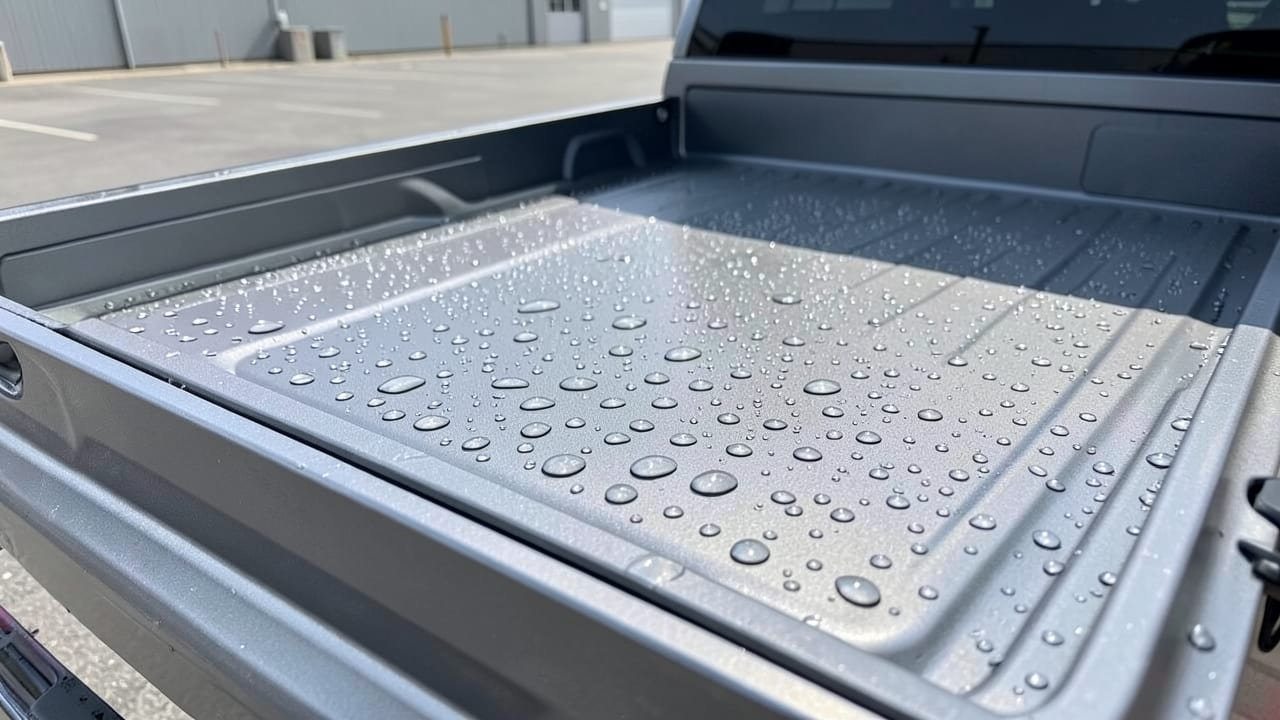
Graphene Coating in Honolulu, HI
Graphene coating in Honolulu, HI — a premium ceramic alternative with better heat rejection and hydrophobic durability.
Learn More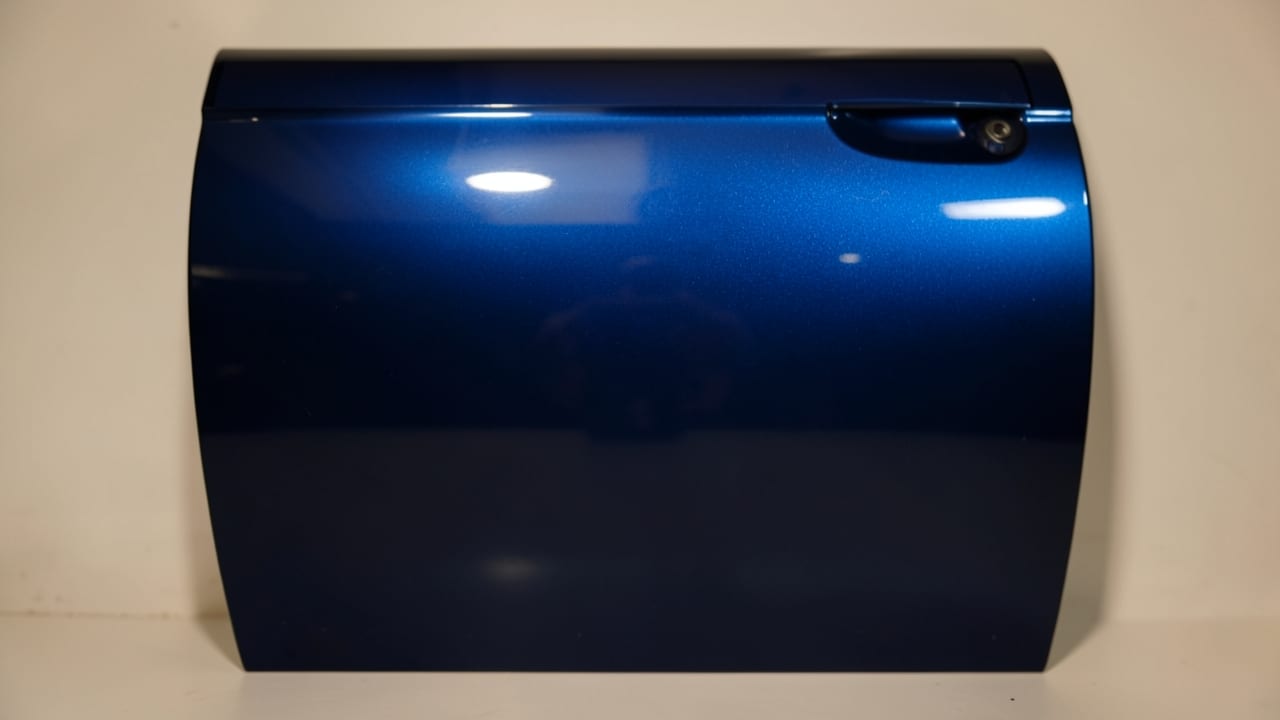
Clay Bar Paint Decontamination in Honolulu, HI
Clay bar paint decontamination in Honolulu, HI removes bonded surface contaminants a wash alone can't touch, before coating or correction.
Learn More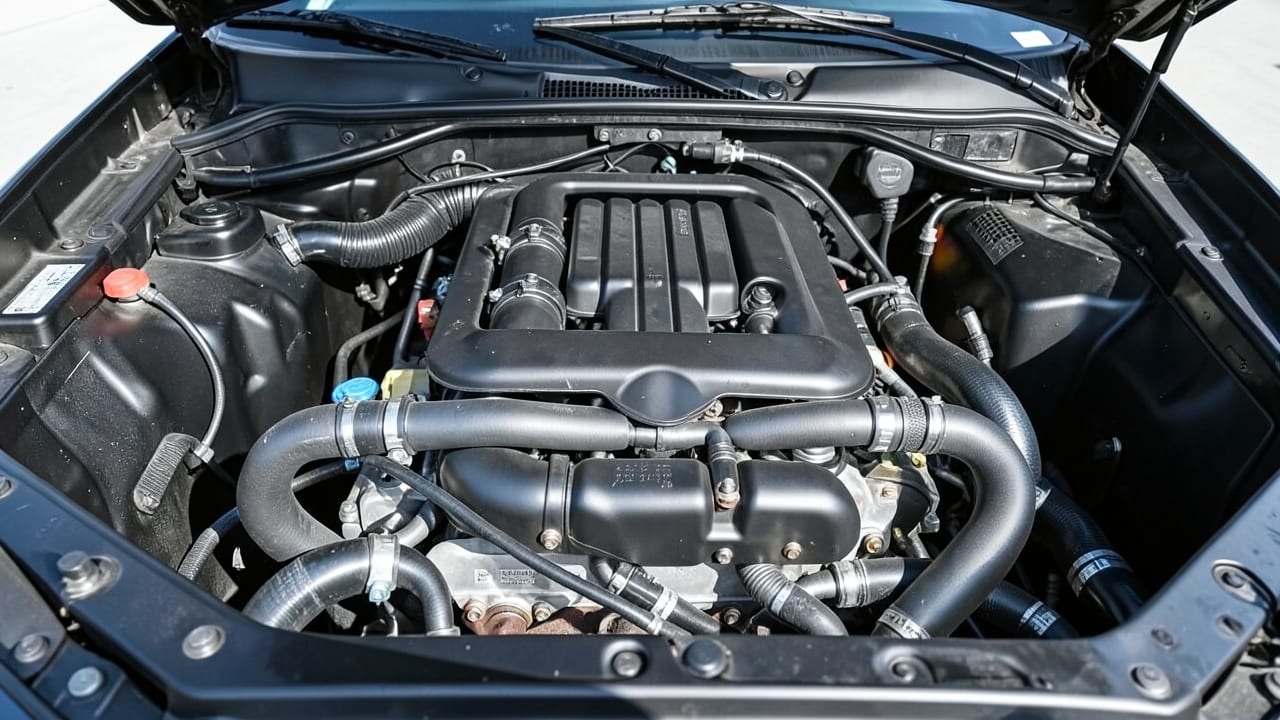
Engine Bay Detailing in Honolulu, HI
Engine bay detailing in Honolulu, HI — safe degreasing and dressing of the engine compartment without risking electrical components.
Learn More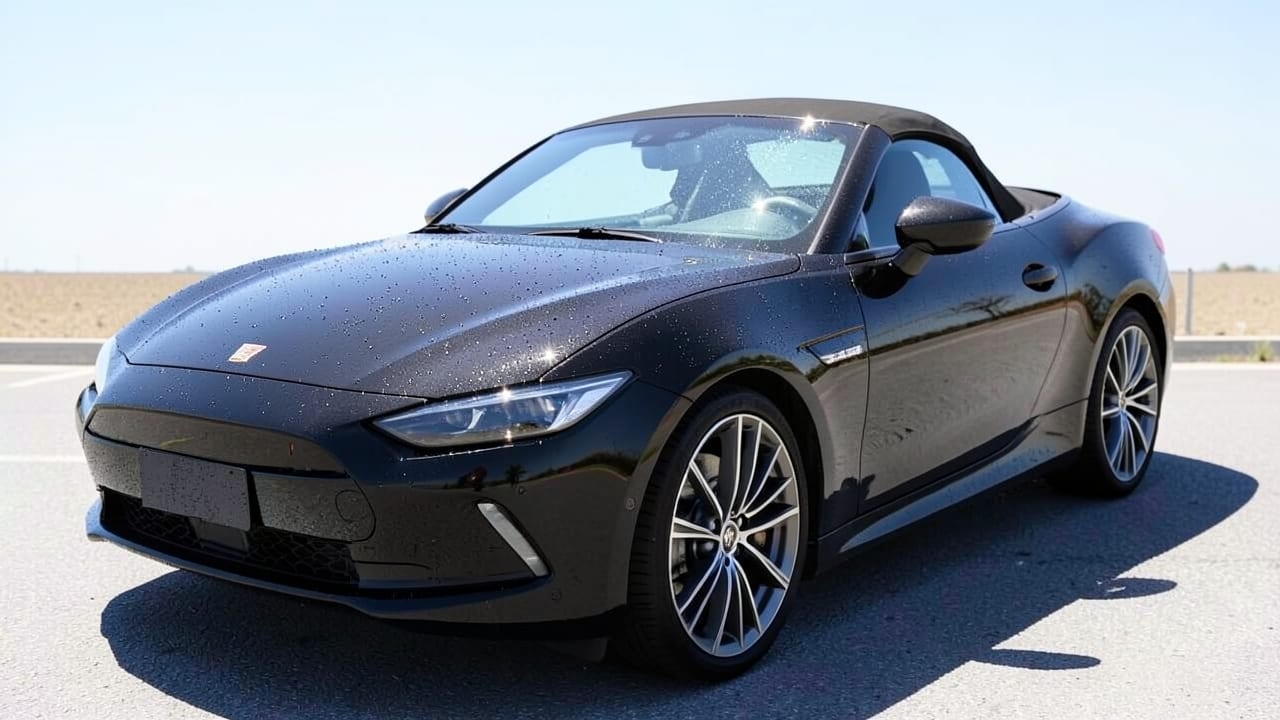
Convertible Top Protection in Honolulu, HI
Ceramic coating and protective treatments applied to convertible tops for durability and UV resistance.
Learn More
Motorcycle Ceramic Coating in Honolulu, HI
Professional application of ceramic coating to protect motorcycle paint and surfaces from damage.
Learn More
RV Paint Protection in Honolulu, HI
Ceramic coatings and protective sealants applied to RV exteriors to shield paint from UV, dirt, and scratches.
Learn MoreCommon Questions About Ceramic Coating in Honolulu
Everything you need to know about ceramic coating services in Honolulu
How much does Undercoating Rustproofing typically cost in Honolulu, HI?
Does intense UV and dust in Honolulu, HI change coating maintenance?
Does a ceramic coating need to be topped up over time?
Can a ceramic coating be applied over existing swirl marks or light scratches?
Is ceramic coating ever covered by comprehensive auto insurance?
Can ceramic coating be applied over a vinyl wrap or matte paint?
Need Ceramic Coating in Honolulu?
Get a written quote from our Honolulu crew.
⏰ We answer your call • Serving all of Honolulu and surrounding areas