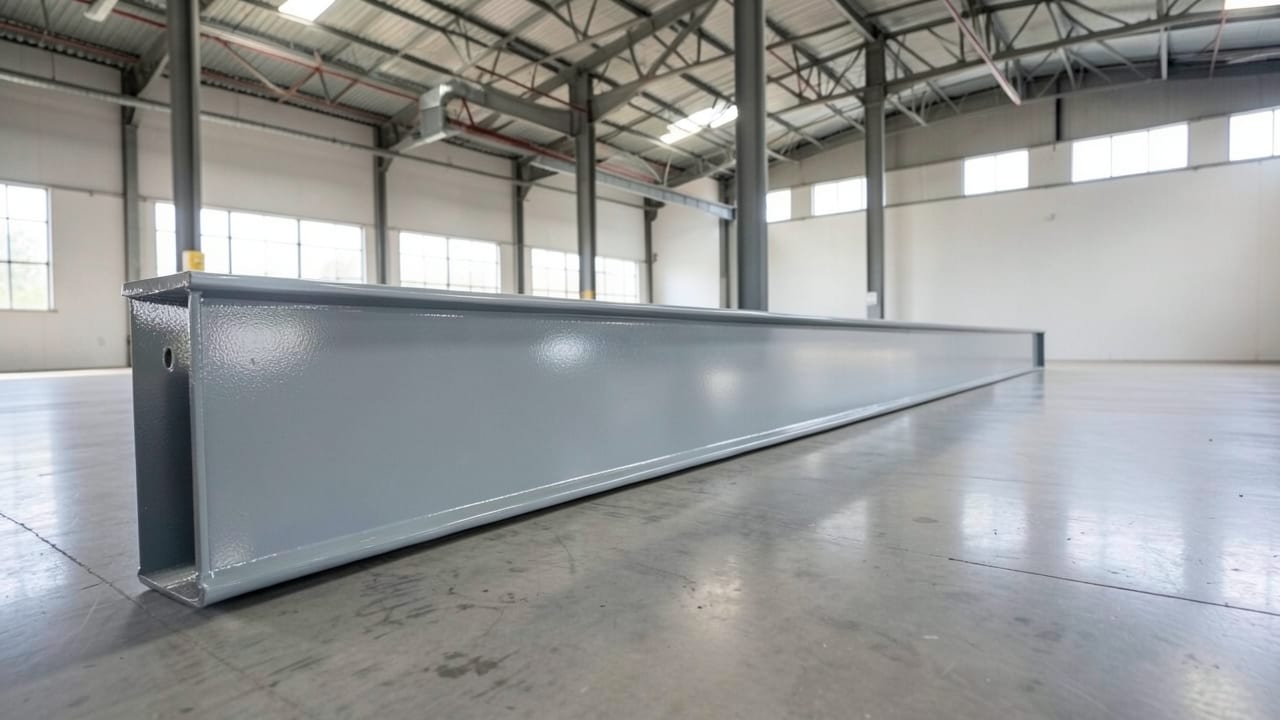
Metal Surface Anti-Corrosion
Ceramic coatings and specialized paints applied to metal surfaces to prevent rust and corrosion.
Metal surface anti-corrosion in Honolulu protects outdoor metal from salt air, humidity, and tropical weather. Ceramic coatings and protective paints shield railings, gates, and furniture from rust and deterioration, extending their lifespan in the island’s coastal climate.
Why metal surfaces need anti-corrosion in Honolulu
Honolulu’s coastal environment accelerates metal corrosion due to salt air, high humidity, and frequent rain. Without protection, metal surfaces like railings, gates, and outdoor furniture degrade faster, requiring costly repairs or replacements sooner.
We also handle Wheel & Brake Caliper Ceramic Coating and Interior Ceramic Protection for Honolulu vehicles.
Ceramic coatings and protective paints create a barrier against moisture, oxidation, and environmental damage. This treatment is especially useful for metal exposed to direct sunlight, salt spray, or heavy rainfall—common conditions across Honolulu neighborhoods like Waikiki, Pearl City, and Mililani.
Signs Your Metal Needs Anti-Corrosion Treatment
- Water beads instead of rolling off the surface, indicating loss of protective coating.
- Visible rust spots, discoloration, or a dull finish on metal surfaces.
- Fine scratches or swirl marks that appear under direct sunlight or when inspected closely.
- Metal that feels rough to the touch, suggesting bonded contaminants or corrosion buildup.
What affects pricing and timing?
Pricing depends on the size and condition of the metal surface, the type of coating used, and the extent of prep work needed. Larger or heavily corroded surfaces may require additional cleaning or correction before coating.
Timing varies based on surface prep—decontamination, clay bar treatment, and paint correction can extend the process. Environmental factors, like humidity and temperature, also influence how long the coating takes to cure properly.
Common mistakes to avoid after treatment
Skipping the curing period by exposing the coated surface to rain, washing, or heavy dew too soon can cause water spots and weaken adhesion. Always follow the manufacturer’s cure time, typically 24–72 hours.
Using automatic car washes with spinning brushes during the first few weeks can introduce fine scratches. Hand-washing with a two-bucket method and pH-neutral soap is recommended to preserve the finish.
Coating does not prevent rock chips or deep scratches. It adds surface hardness against light swirling and oxidation, not impact protection.
How metal surface anti-corrosion works
- 1Surface Cleaning and Decontamination
The metal is thoroughly cleaned using a foam pre-wash and wheel cleaning to remove dirt, brake dust, and road grime. Chemical decontamination follows, stripping embedded contaminants like iron particles and tar residue.
- 2Clay Bar Treatment
A clay bar or mitt is used with lubricant to physically remove bonded contaminants, such as overspray or industrial fallout, leaving the surface smooth to the touch.
- 3Paint Correction and Inspection
The surface is inspected under raking light for swirl marks or scratches. A correction polish is applied where needed to ensure a glass-smooth finish before coating.
- 4Coating Application
The ceramic coating is applied in a controlled, dust-free environment within the ideal humidity and temperature range. The surface is left undisturbed to cure fully before exposure to elements.
Frequently asked questions
How long does the anti-corrosion coating last on metal surfaces in Honolulu’s climate?
Durability varies based on coating type and maintenance. High-quality ceramic coatings typically last 2–5 years in Honolulu’s coastal environment, while protective paints may require reapplication every 1–3 years.
Can I wash my metal surfaces immediately after coating?
No. The coating must cure fully, usually 24–72 hours, before exposure to water or washing. Rinsing off bird droppings or sap promptly is safe, but full washing should wait until the cure period ends.
Will coating stop rust from forming on my metal railings?
Coating slows rust by creating a protective barrier, but it won’t stop rust entirely if the metal is already severely corroded. Pre-treatment and proper surface prep maximize the coating’s effectiveness.
Do I need to remove existing rust before coating?
Yes. Rust must be sanded or chemically removed before coating. Applying coating over rust can trap moisture, accelerating deterioration underneath the protective layer.
See Hickam Housing, HI for more, or browse our full crew's Honolulu services in full for our complete lineup.
Ready to get started?
Talk to a local ceramic coating pro in Honolulu — get a written quote.
Other Ceramic Coating Services in Honolulu
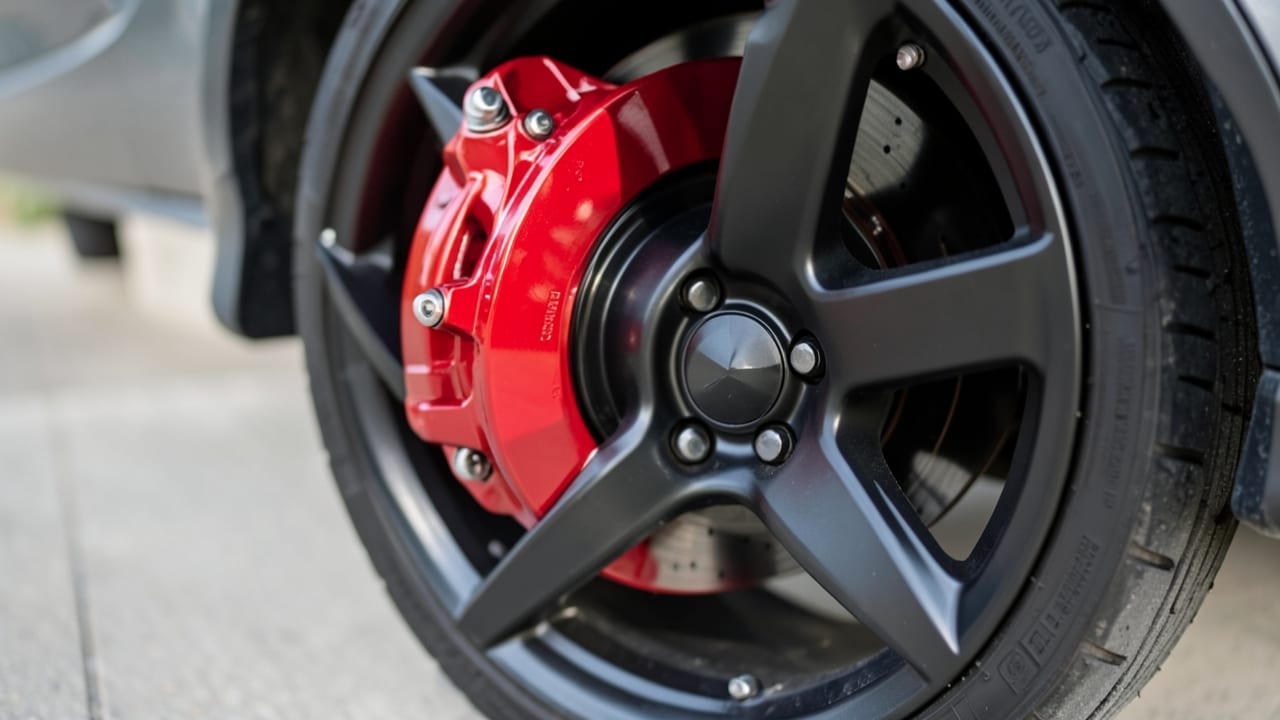
Wheel & Brake Caliper Ceramic Coating in Honolulu, HI
Dedicated ceramic coating for wheels and brake calipers in Honolulu, HI — stops brake dust and corrosive grime from bonding to the finish.
Learn More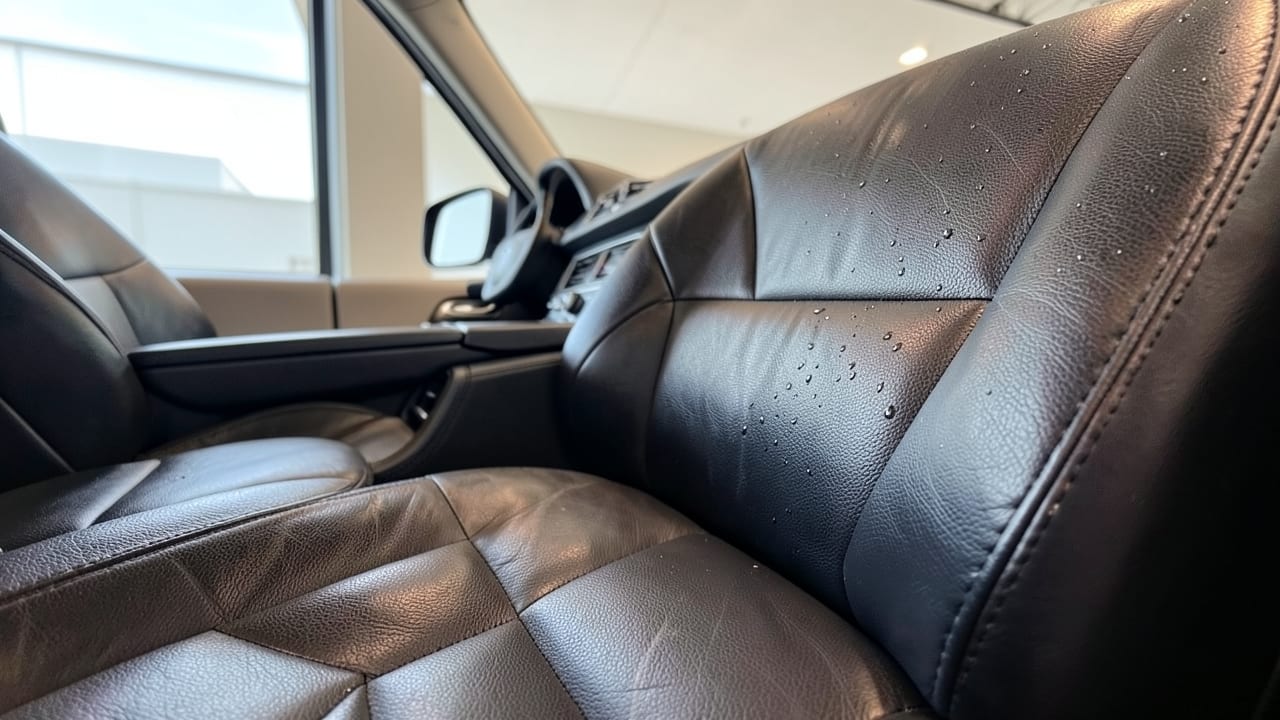
Interior Ceramic Protection in Honolulu, HI
Interior fabric, leather, and trim ceramic protection in Honolulu, HI — guards against spills, UV fading, and daily wear.
Learn More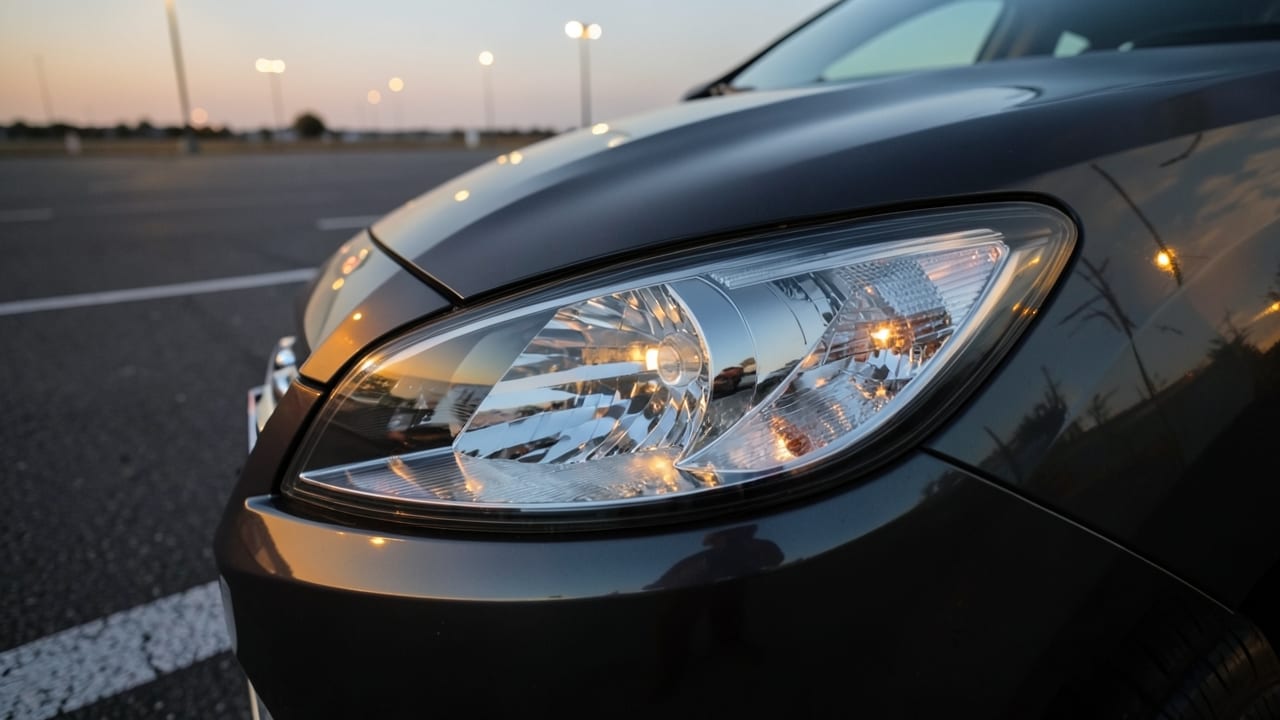
Headlight Restoration & Coating in Honolulu, HI
Headlight restoration and UV-protective coating in Honolulu, HI — restores clarity and nighttime visibility without replacing the assembly.
Learn More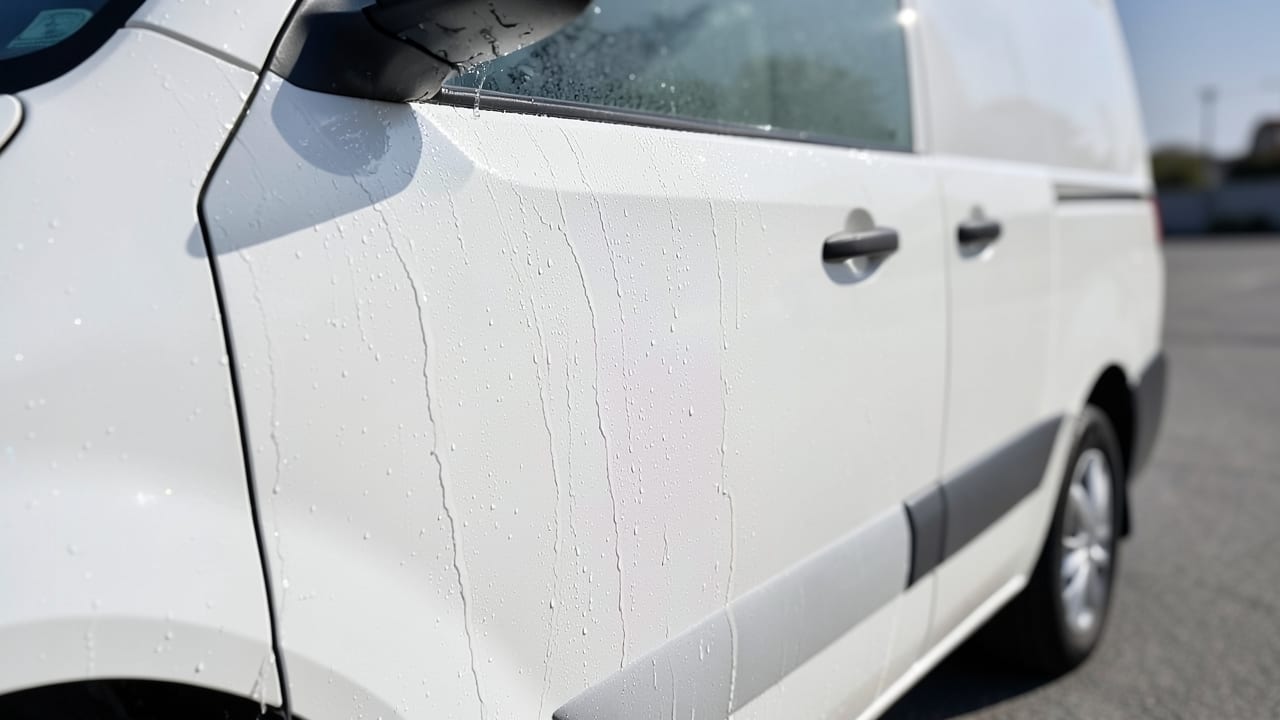
Fleet & Commercial Vehicle Coating in Honolulu, HI
Ceramic coating programs for fleets and commercial vehicles in Honolulu, HI — faster washing, longer-lasting branded wraps, and protected resale value.
Learn More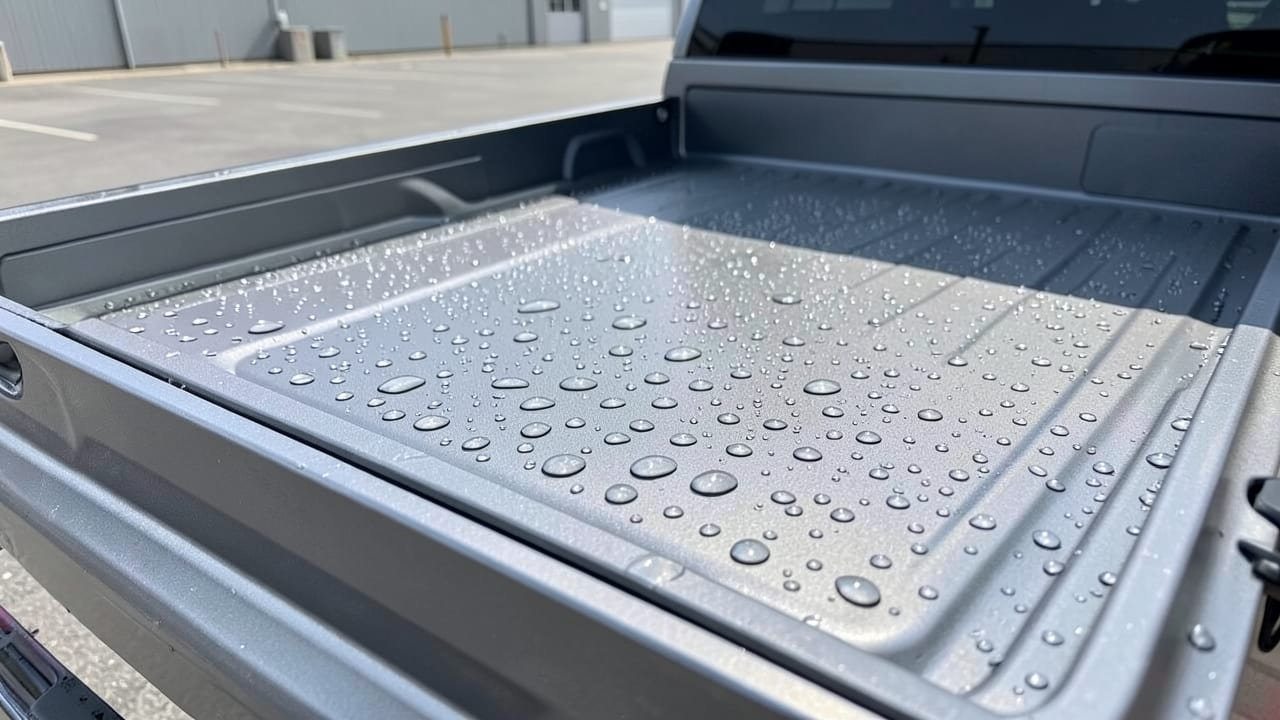
Graphene Coating in Honolulu, HI
Graphene coating in Honolulu, HI — a premium ceramic alternative with better heat rejection and hydrophobic durability.
Learn More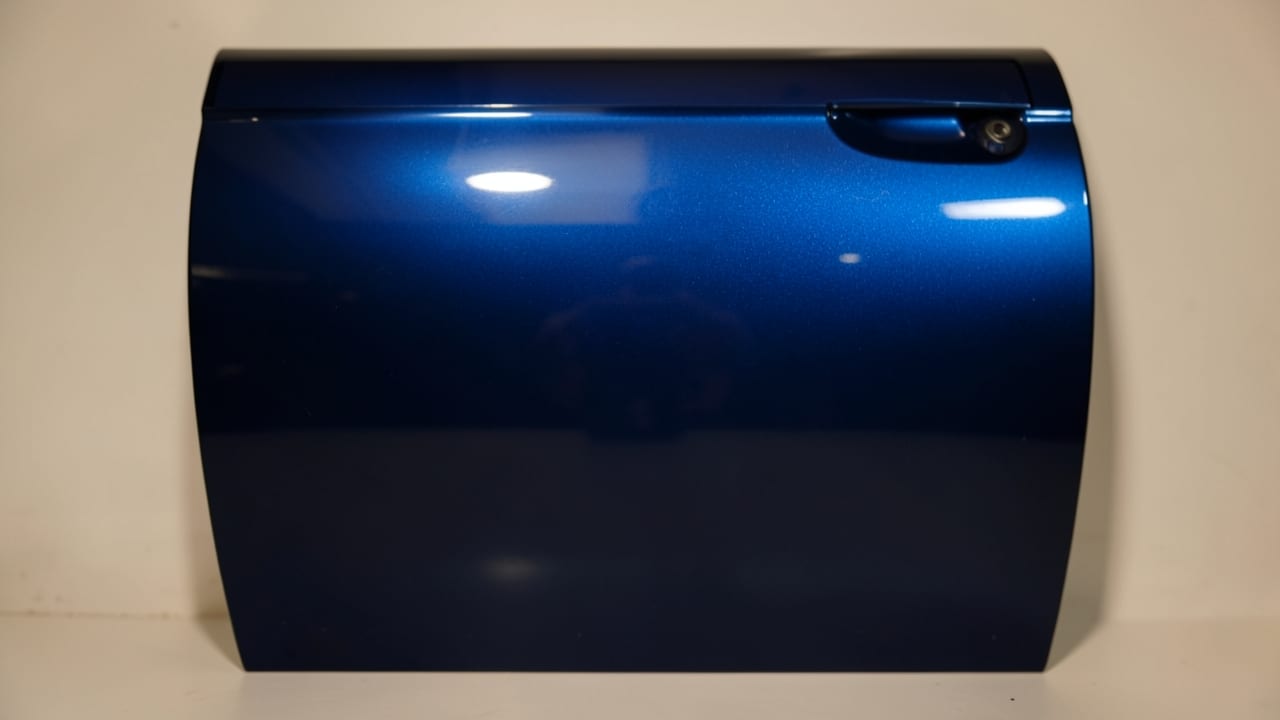
Clay Bar Paint Decontamination in Honolulu, HI
Clay bar paint decontamination in Honolulu, HI removes bonded surface contaminants a wash alone can't touch, before coating or correction.
Learn MoreCommon Questions About Ceramic Coating in Honolulu
Everything you need to know about ceramic coating services in Honolulu
How much does Metal Surface Anti-Corrosion typically cost in Honolulu, HI?
Does intense UV and dust in Honolulu, HI change coating maintenance?
Can a ceramic coating be applied over existing swirl marks or light scratches?
Is ceramic coating ever covered by comprehensive auto insurance?
Can ceramic coating be applied over a vinyl wrap or matte paint?
What does proper paint prep before a ceramic coating actually involve?
Need Ceramic Coating in Honolulu?
Get a written quote from our Honolulu crew.
⏰ We answer your call • Serving all of Honolulu and surrounding areas