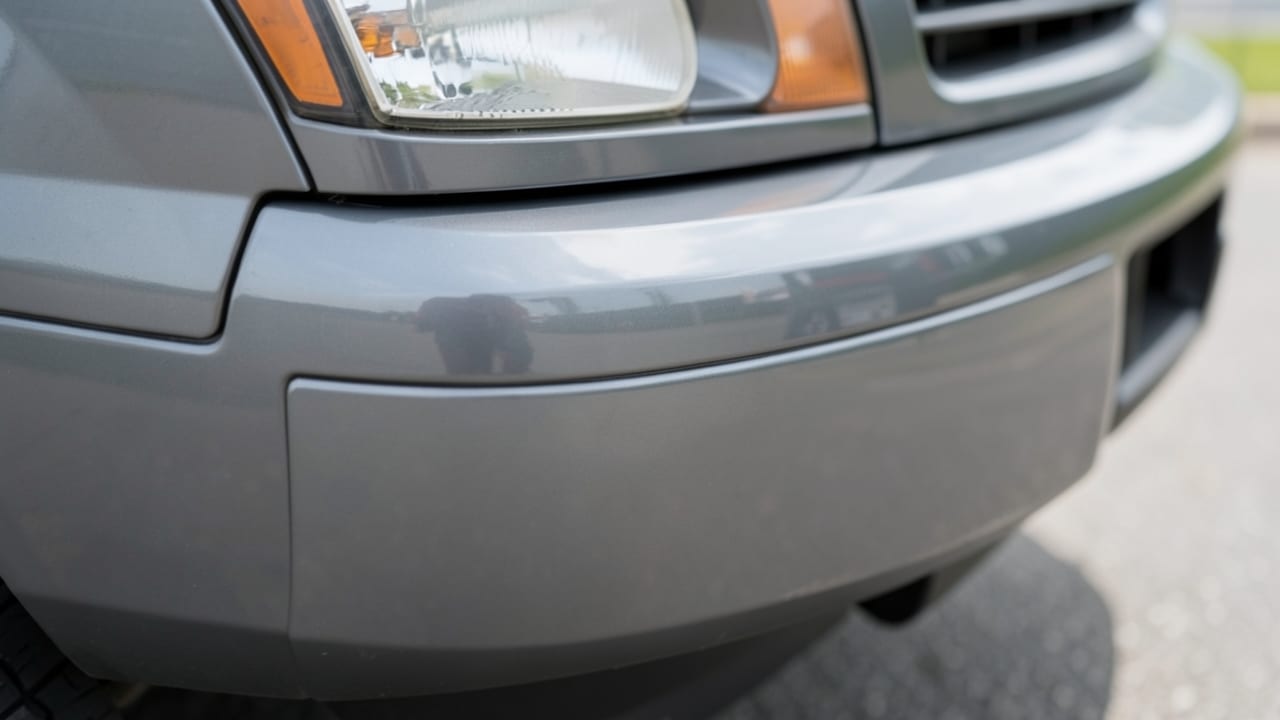
Bug Splatter Removal
Professional removal of insect residue from vehicle paint without damaging the ceramic coating or finish.
Bug splatter removal in Honolulu helps restore your vehicle’s finish by safely dissolving embedded insect debris, brake dust, and other contaminants that standard washing can’t lift.
The process uses targeted chemical treatments and gentle mechanical methods to protect your ceramic coating or paint protection layer while removing stubborn marks that linger on surfaces, especially in areas with heavy bug activity like Pearl City or Waipahu.
We also handle Bird Dropping Removal and Tree Sap Removal for Honolulu vehicles.
When bug splatter needs removal
Bug splatter and other contaminants often bond to your vehicle’s surface over time, especially in humid Honolulu conditions. If tiny dark specks remain after washing, or if your paint feels gritty to the touch, these are signs of embedded contaminants like rail dust or industrial fallout.
Similarly, faint shadows or recurring spots after cleaning suggest residue is still trapped beneath the surface.
Hot brake dust from frequent highway driving often leaves orange or rust-colored specks near the wheels, while tree sap or bird droppings can etch paint if left untreated. These contaminants are harder to remove once they’ve bonded, so addressing them early prevents deeper damage to your finish.
Signs You Need Bug Splatter Removal
- Dark specks remain after washing with soap and water, especially on lighter paint colors.
- Paint feels bumpy or gritty even after a thorough wash, indicating embedded contaminants.
- Faint shadows or spots reappear in the same location after cleaning.
- Orange or rust-colored specks appear near the wheels after highway driving.
- Tree sap or bird droppings leave a sticky residue that won’t rinse away easily.
How contaminants affect your vehicle’s finish
Contaminants like bug splatter, brake dust, and tar bond differently to your vehicle’s surface, requiring specific treatments to avoid damaging the paint or coating. For example, iron particles from brake dust need a dedicated remover to dissolve, while tree sap requires an adhesive-breaking formula.
Using the wrong product can smear contaminants, worsening the appearance and potentially causing swirl marks.
The longer contaminants sit, the harder they become to remove. Bug splatter that’s rinsed off within a day or two is easier to lift than splatter that’s baked onto the surface by Honolulu’s sun.
Regular maintenance, like parking away from trees or industrial areas, reduces how often contaminants bond in the first place.
| Contaminant Type | Common Signs | Typical Treatment |
|---|---|---|
| Bug splatter | Dark, embedded specks that survive washing | Specialized organic cleaner + clay bar |
| Brake dust (iron particles) | Orange/rust specks near wheels, gritty texture | Iron remover + lubricant clay bar |
| Tree sap | Sticky residue, faint shadows after cleaning | Adhesive remover + dwell time |
| Bird droppings | White/yellow streaks, potential paint etching | Acid-neutralizing cleaner + inspection |
| Road tar | Black, rubbery spots, difficult to lift | Tar solvent + mechanical lift |
Why timing matters
The sooner you address bug splatter and other contaminants, the easier they are to remove. Contaminants like bird droppings or sap can etch paint within hours if left untreated, while brake dust embeds more deeply over time.
Regular rinsing or spot-treating within a day or two prevents small issues from becoming bonded contaminants that require full decontamination.
Parking strategies also play a role—avoiding areas with heavy bug activity, industrial fallout, or sap-producing trees reduces how often contaminants land on your vehicle in the first place. Even with a ceramic coating, contaminants can still bond if not addressed promptly.
How bug splatter removal works
This process safely dissolves and lifts embedded contaminants without harming your vehicle’s finish.
- 1Contaminant Identification
The type of contaminant—bug splatter, brake dust, sap, or tar—is identified first, as each requires a specific chemical treatment. For example, iron particles from brake dust need a dedicated remover, while tree sap requires an adhesive-breaking formula.
- 2Targeted Chemical Treatment
A product formulated for the specific contaminant is applied and allowed to dwell on the affected area. This breaks down the bond between the contaminant and the paint or coating, making it easier to lift without scrubbing.
- 3Mechanical Lift (If Needed)
If chemical treatment alone doesn’t fully release the contaminant, a clay bar or mitt is used to gently lift what remains. A lubricant is applied throughout to prevent scratching the paint surface during the process.
- 4Rinse and Inspection
The area is rinsed clean of all product residue and inspected under direct light to confirm the contaminant is fully removed. Some contaminants may look lighter indoors but still be present outdoors.
- 5Protective Follow-Up
A spray sealant or coating topper is applied to restore the protective layer that may have been disturbed during the removal process, leaving the surface no more exposed than before.
Frequently asked questions
How do I know if my vehicle needs bug splatter removal instead of just a regular wash?
If dark specks remain after washing with soap and water, or if your paint feels gritty to the touch, these are signs of embedded contaminants that require targeted removal. Regular washing won’t lift bonded bug splatter, brake dust, or sap.
Can bug splatter removal damage my ceramic coating?
When done correctly, the process uses products and methods designed to dissolve contaminants without harming ceramic coatings. However, using the wrong cleaner or scrubbing too aggressively can cause swirl marks or strip protective layers.
How often should I have my vehicle’s contaminants removed in Honolulu?
Frequency depends on your driving habits and parking location. Vehicles parked near trees, industrial areas, or highways may need decontamination every 3–6 months, while others might only need it once or twice a year.
Will bug splatter removal make my paint shine brighter?
The primary goal is to remove contaminants and restore the surface, not necessarily to add shine. However, a clean surface reflects light better, which can make the paint appear brighter if it was previously dull from embedded debris.
See Halawa, HI for more, or discover the ceramic coating work we do around Honolulu across the area for our complete lineup.
Ready to get started?
Talk to a local ceramic coating pro in Honolulu — get a written quote.
Other Ceramic Coating Services in Honolulu
Bird Dropping Removal in Honolulu, HI
Professional removal of bird droppings to prevent paint damage and maintain ceramic coatings.
Learn More
Tree Sap Removal in Honolulu, HI
Professional removal of tree sap from vehicle surfaces using safe, paint-friendly methods.
Learn More
Iron Particle Decontamination in Honolulu, HI
Removal of embedded iron particles from automotive paint using chemical solutions.
Learn More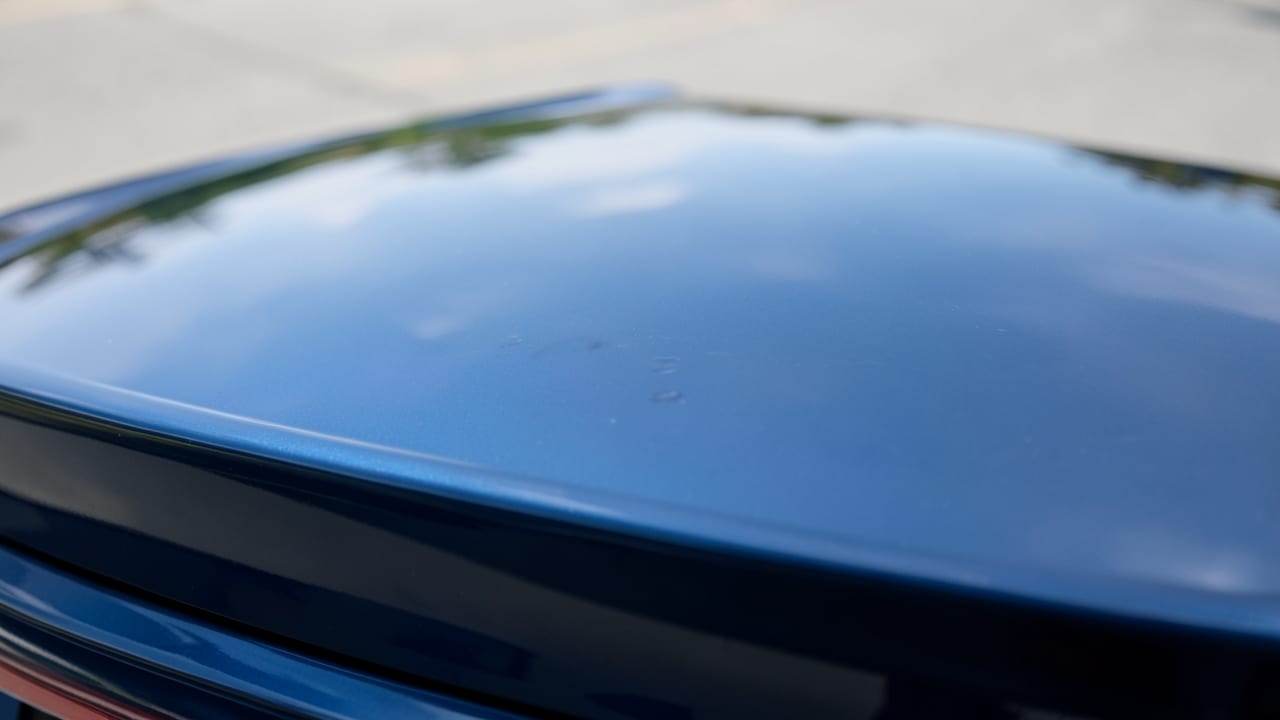
Water Spot Removal in Honolulu, HI
Professional removal of water spots from ceramic-coated or painted surfaces to restore appearance.
Learn More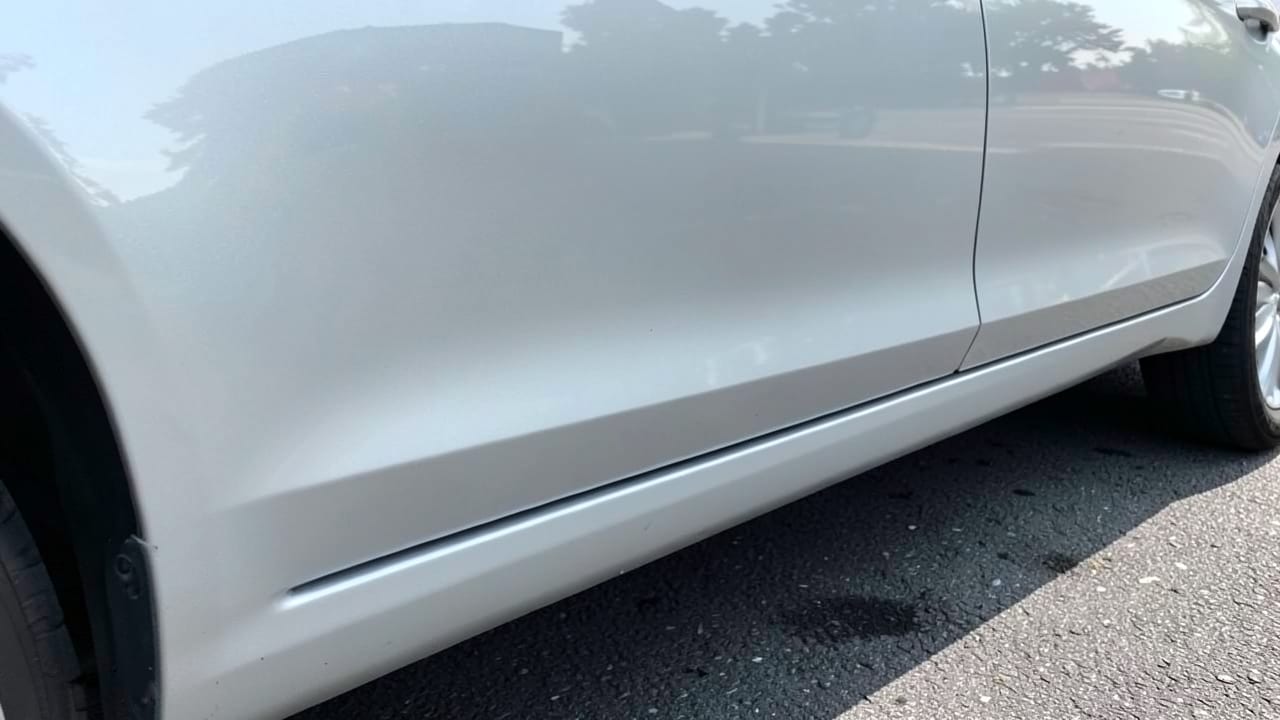
Road Tar Removal in Honolulu, HI
Professional removal of road tar from vehicle paint using safe, ceramic-friendly methods.
Learn More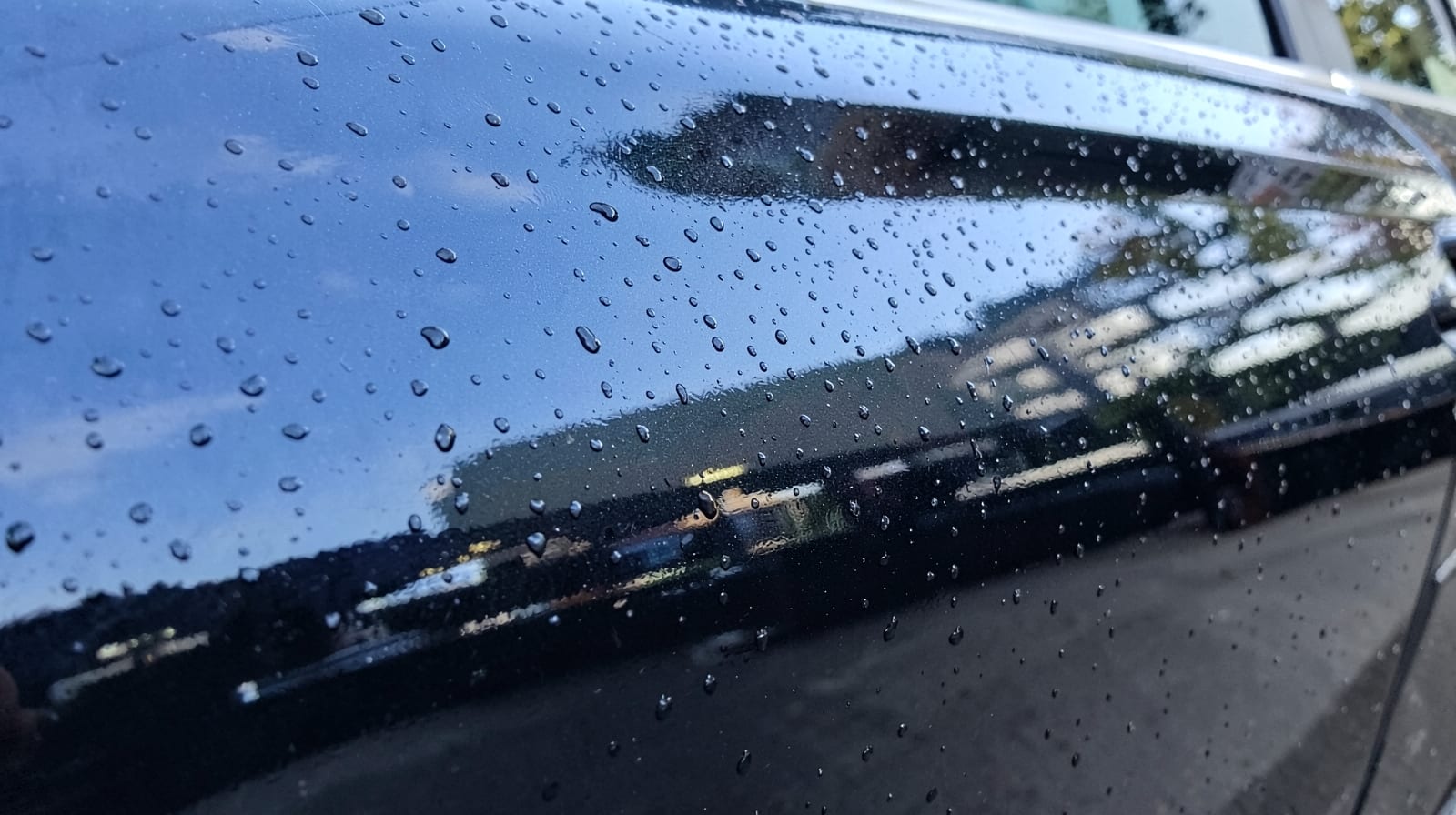
Full-Vehicle Ceramic Coating in Honolulu, HI
Professional nano-ceramic coating for vehicles in Honolulu, HI — a hard, semi-permanent SiO2 layer for deep gloss, strong hydrophobic protection, and easier washing.
Learn MoreCommon Questions About Ceramic Coating in Honolulu
Everything you need to know about ceramic coating services in Honolulu
How much does Bug Splatter Removal typically cost in Honolulu, HI?
Does intense UV and dust in Honolulu, HI change coating maintenance?
What's the actual difference between wax, paint sealant, and ceramic coating?
Can ceramic coating be applied at home instead of by a detailing shop?
How long does a ceramic coating actually last in real-world use?
What is the difference between graphene and SiO2 ceramic coatings?
Need Ceramic Coating in Honolulu?
Get a written quote from our Honolulu crew.
⏰ We answer your call • Serving all of Honolulu and surrounding areas