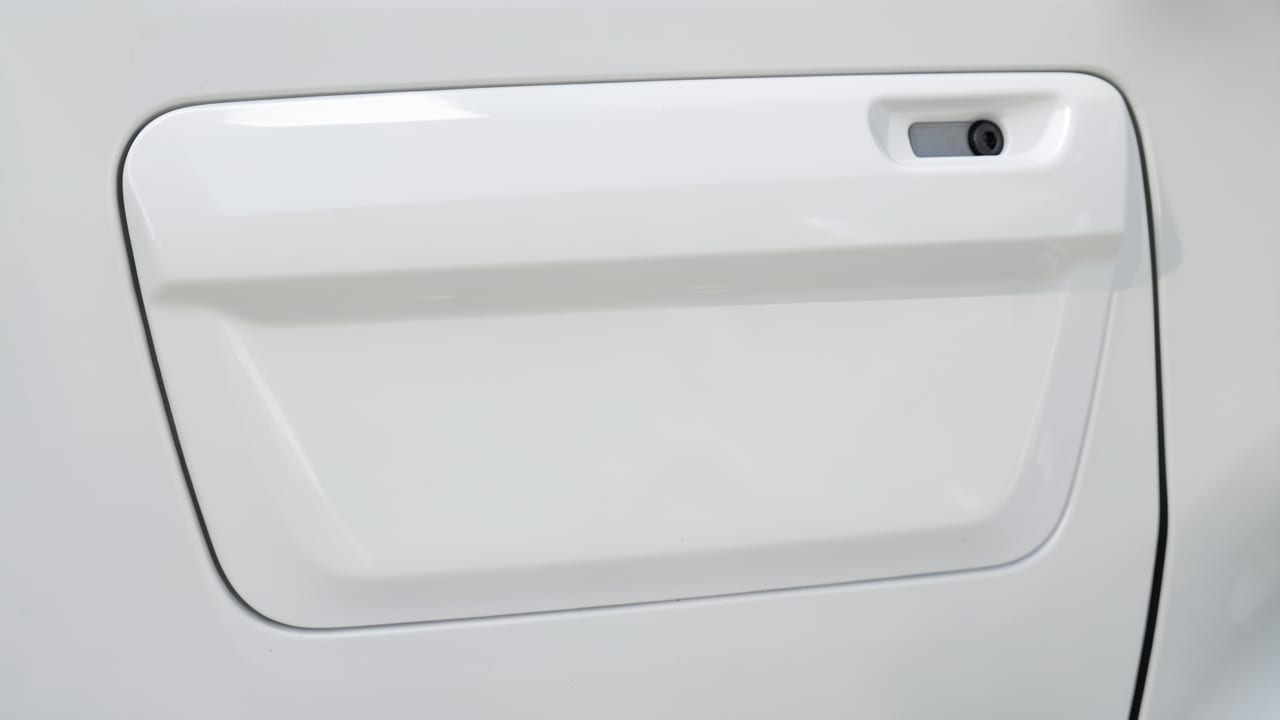
Iron Particle Decontamination
Removal of embedded iron particles from automotive paint using chemical solutions.
Iron particle decontamination in Honolulu restores your vehicle’s ceramic coating by removing embedded metallic contaminants—like brake dust or rail particles—that cause rust spots and surface degradation over time.
This targeted process uses specialized chemical treatments and gentle mechanical lifting to clean the finish without damaging it, ensuring a smoother, longer-lasting protective layer. Common in areas with heavy traffic or industrial fallout, this service helps maintain the clarity and durability of your car’s paintwork.
We also handle Wheel & Brake Caliper Ceramic Coating and Interior Ceramic Protection for Honolulu vehicles.
When iron particle decontamination is needed
Iron particles from brake dust, rail dust, or industrial fallout often embed into ceramic coatings or clear coats, especially on lighter paint colors. These contaminants appear as tiny, stubborn specks that resist normal washing and can cause rust or a gritty texture when touched.
If your vehicle’s finish feels rough or shows persistent dark spots after washing, it may need targeted decontamination to restore smoothness.
Honolulu’s mix of highway traffic and coastal industrial zones means brake dust and rail particles are common contaminants. Vehicles parked near rail lines, busy roads, or in areas with heavy dust fallout often accumulate these particles faster.
A quick visual check—looking for tiny orange or rust-colored specks, especially behind the front wheels—can help identify if decontamination is needed before the issue worsens.
Signs Your Vehicle Needs Iron Particle Decontamination
- Tiny dark or orange specks remain after washing, especially on light-colored paint.
- The finish feels gritty or bumpy when touched, even after a thorough wash.
- Rust spots or swirl marks appear where contaminants were embedded.
- Contaminants reappear quickly after cleaning, indicating they’re bonded below the surface.
How contaminants affect your ceramic coating
Iron particles and other metallic contaminants weaken ceramic coatings by embedding into the clear coat or top layer. Over time, this can lead to rust, swirl marks, or a dull appearance, even if the coating itself is still intact.
Unlike surface dirt, these particles require chemical dissolution rather than just rinsing, as they bond tightly to the paint.
Skipping decontamination allows contaminants to etch deeper, making future removal harder and potentially damaging the coating’s protective layer. In Honolulu’s climate, where humidity and salt air accelerate corrosion, addressing embedded particles early helps maintain the coating’s lifespan and keeps the finish looking new.
| Contaminant Type | Common Source | Risk If Left Untreated |
|---|---|---|
| Iron particles (brake dust) | Highway traffic, rail lines | Rust spots, swirl marks |
| Rail dust (metallic fallout) | Industrial areas, ports | Surface etching, dullness |
| Tar or sap residue | Parking under trees | Stains, adhesive buildup |
| Overspray or industrial fallout | Urban or coastal zones | Uneven coating wear |
What affects pricing and timing?
The extent of contamination, vehicle size, and the need for additional prep steps—like clay bar treatment or paint correction—can influence the time and cost of decontamination. Larger vehicles or those with heavy buildup may require more time and product, while localized spots can be addressed faster.
Honolulu’s climate and traffic patterns mean some areas accumulate contaminants faster than others. Vehicles parked near rail lines, busy roads, or in industrial zones may need more frequent decontamination, while those in residential areas with less exposure might require it less often.
How iron particle decontamination works
- 1Contaminant Identification
The affected areas are inspected under direct light to identify the type of contaminant—iron particles, tar, sap, or overspray—since each requires a specific chemical treatment. Misidentifying the contaminant can lead to ineffective removal or further damage.
- 2Targeted Chemical Treatment
A specialized iron-removing solution is applied to the contaminated areas and allowed to dwell, breaking down the embedded particles chemically. This step is critical for dissolving contaminants that normal washing cannot remove.
- 3Mechanical Lifting (If Needed)
A clay bar or mitt is gently worked over the treated area to lift any remaining contaminants, using a lubricant to prevent scratching. This step ensures all particles are removed without dragging grit across the paint.
- 4Rinse and Inspection
The vehicle is rinsed thoroughly, and the areas are inspected under direct light to confirm contaminants are fully removed. Some particles may appear gone indoors but reappear outdoors, requiring re-treatment.
- 5Protective Follow-Up
A spray sealant or coating topper is applied to restore the protective layer stripped during decontamination, helping the finish resist future contaminants and maintain its clarity.
Frequently asked questions
How do I know if my vehicle needs iron particle decontamination instead of a regular wash?
If tiny dark or orange specks remain after a thorough wash, or if the finish feels gritty when touched, those are signs of embedded contaminants. Regular washing won’t remove them, but iron particle decontamination targets these bonded particles for a smoother surface.
Can iron particle decontamination damage my ceramic coating?
When done correctly, the process is designed to clean without harming the coating. However, using the wrong products or scrubbing too aggressively can cause swirl marks. Always use a professional service with the right chemicals and techniques for your vehicle’s finish.
How often should I get iron particle decontamination in Honolulu?
Frequency depends on exposure—vehicles near rail lines, highways, or industrial zones may need it every 6–12 months, while those in low-exposure areas might go longer. Regular washing and parking away from heavy contamination sources can also reduce the need for decontamination.
Will decontamination make my coating last longer?
Removing embedded contaminants helps maintain the coating’s integrity by preventing rust and etching. However, longevity also depends on proper maintenance—regular washing, avoiding harsh chemicals, and reapplying protective sealants as needed.
See Hickam Housing, HI for more, or browse what's included in our Honolulu service before booking for our complete lineup.
Ready to get started?
Talk to a local ceramic coating pro in Honolulu — get a written quote.
Other Ceramic Coating Services in Honolulu
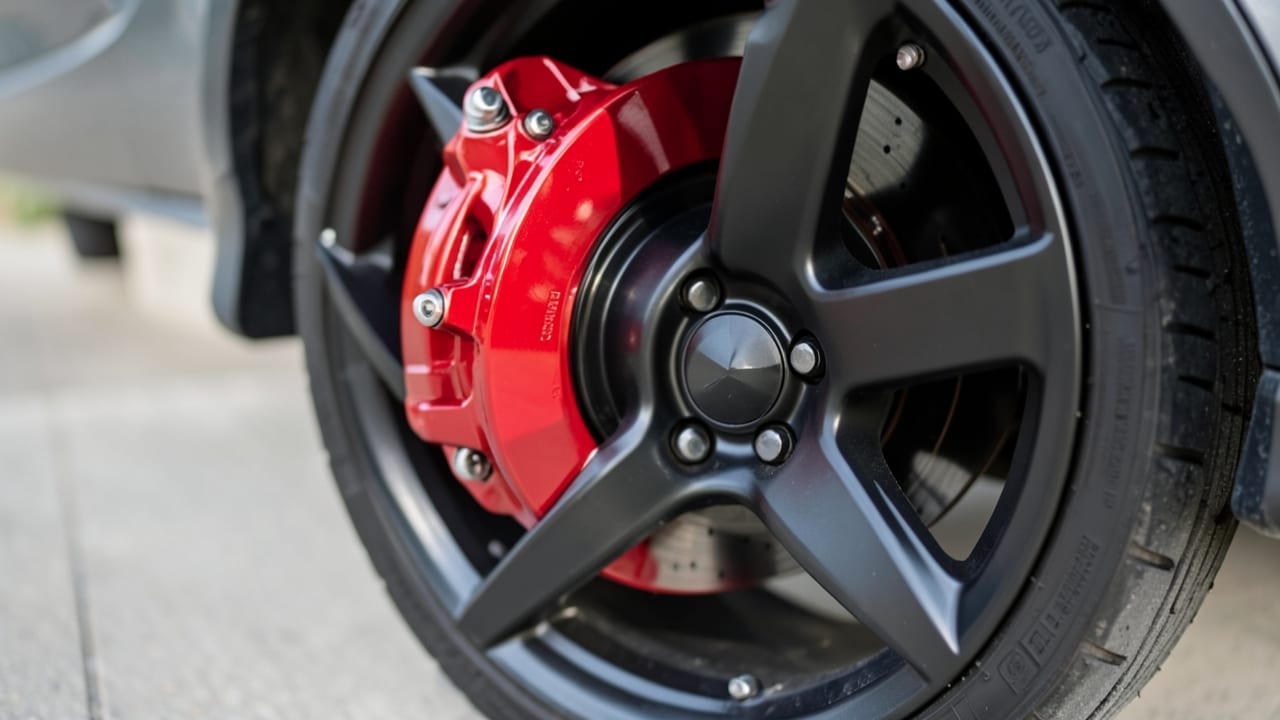
Wheel & Brake Caliper Ceramic Coating in Honolulu, HI
Dedicated ceramic coating for wheels and brake calipers in Honolulu, HI — stops brake dust and corrosive grime from bonding to the finish.
Learn More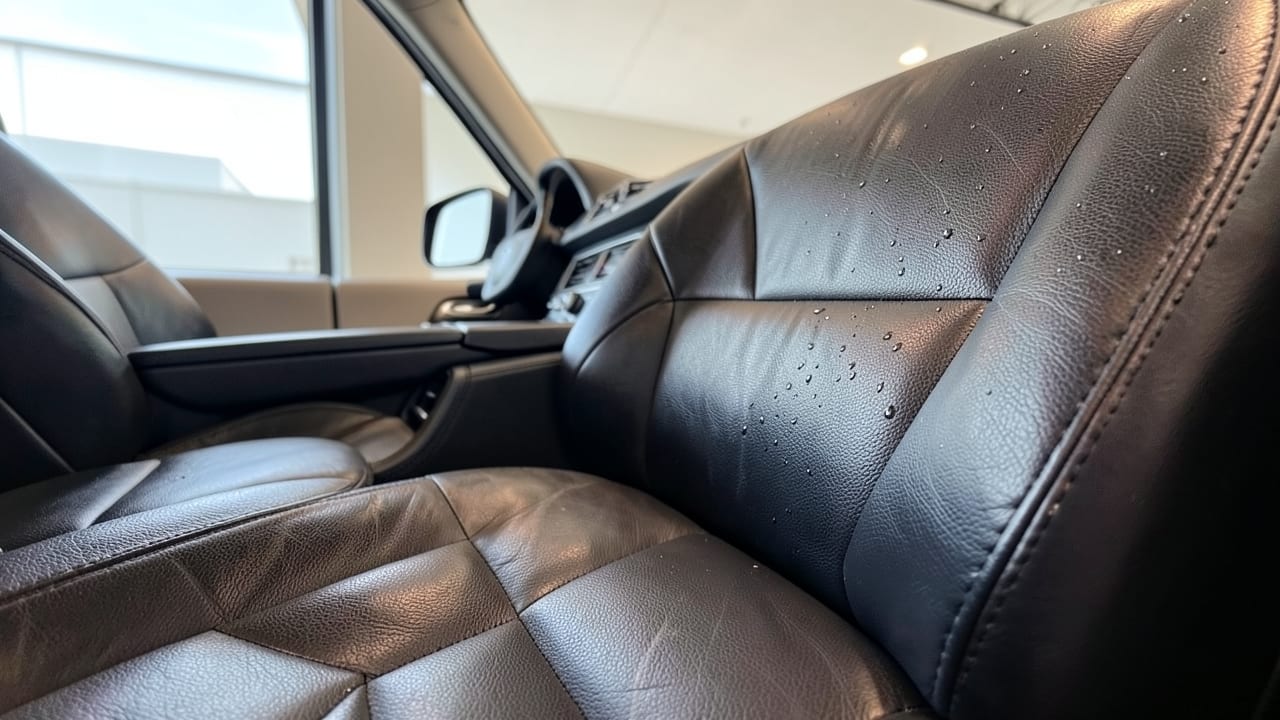
Interior Ceramic Protection in Honolulu, HI
Interior fabric, leather, and trim ceramic protection in Honolulu, HI — guards against spills, UV fading, and daily wear.
Learn More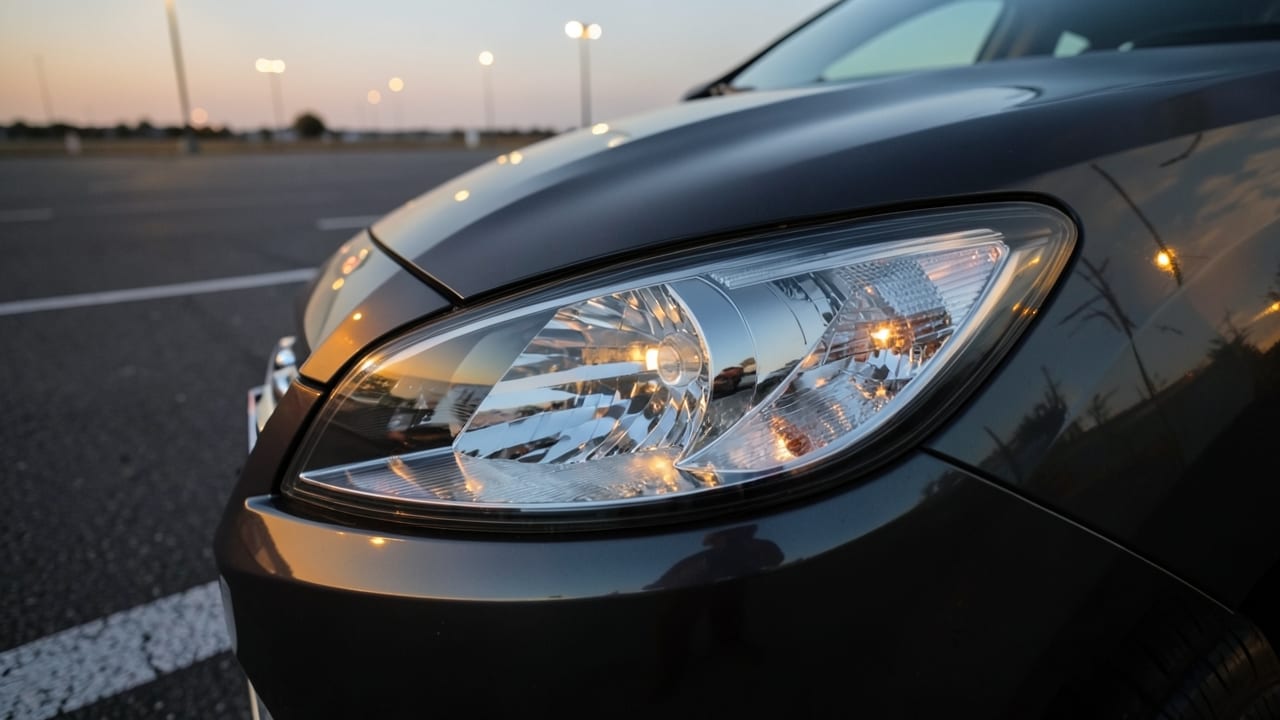
Headlight Restoration & Coating in Honolulu, HI
Headlight restoration and UV-protective coating in Honolulu, HI — restores clarity and nighttime visibility without replacing the assembly.
Learn More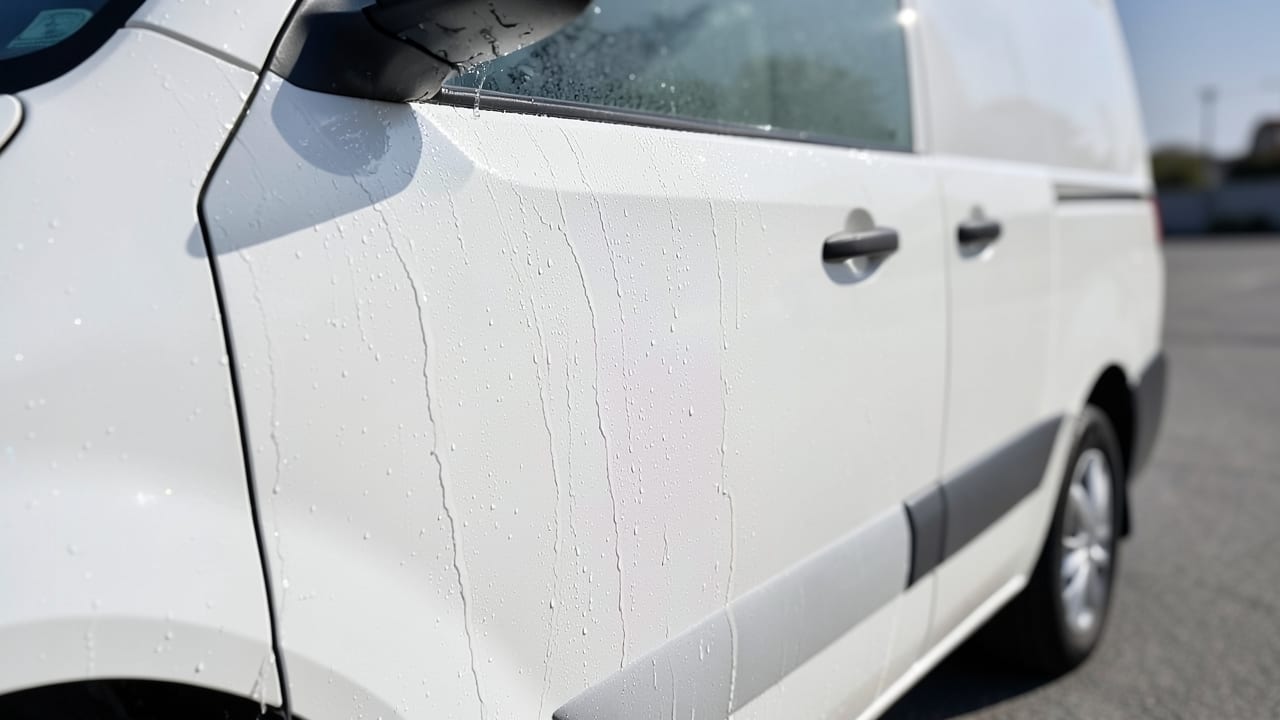
Fleet & Commercial Vehicle Coating in Honolulu, HI
Ceramic coating programs for fleets and commercial vehicles in Honolulu, HI — faster washing, longer-lasting branded wraps, and protected resale value.
Learn More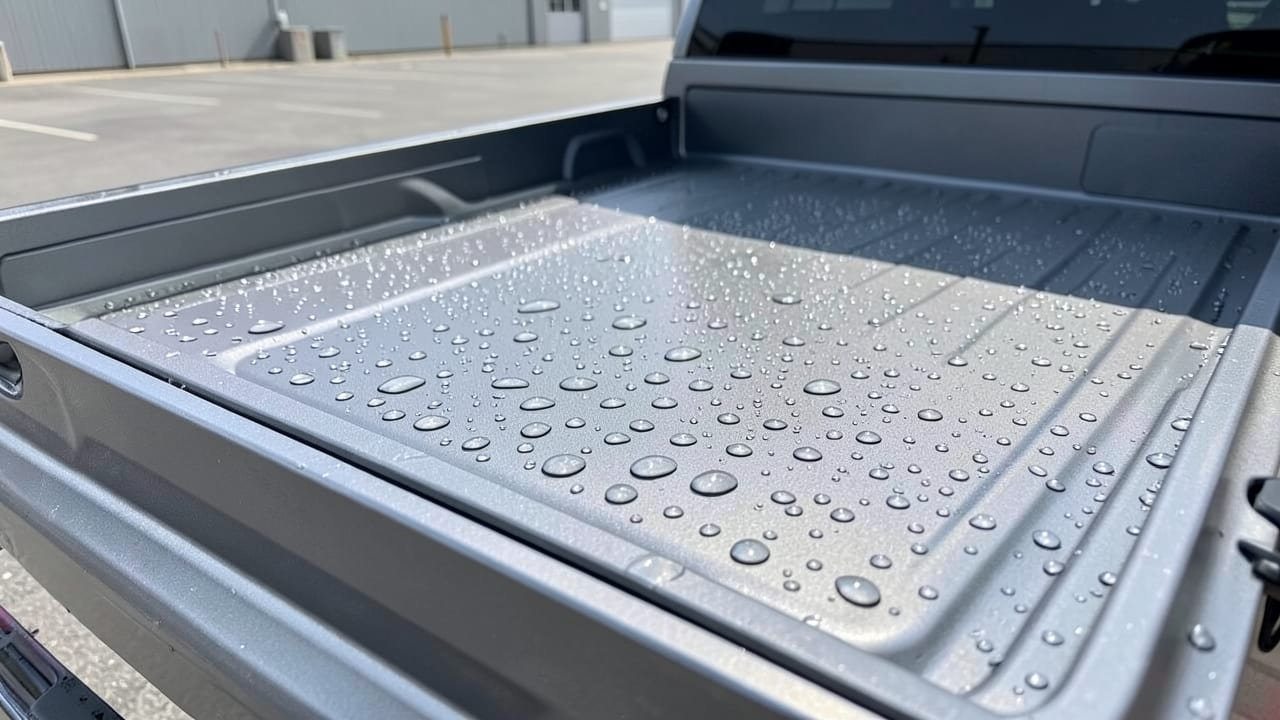
Graphene Coating in Honolulu, HI
Graphene coating in Honolulu, HI — a premium ceramic alternative with better heat rejection and hydrophobic durability.
Learn More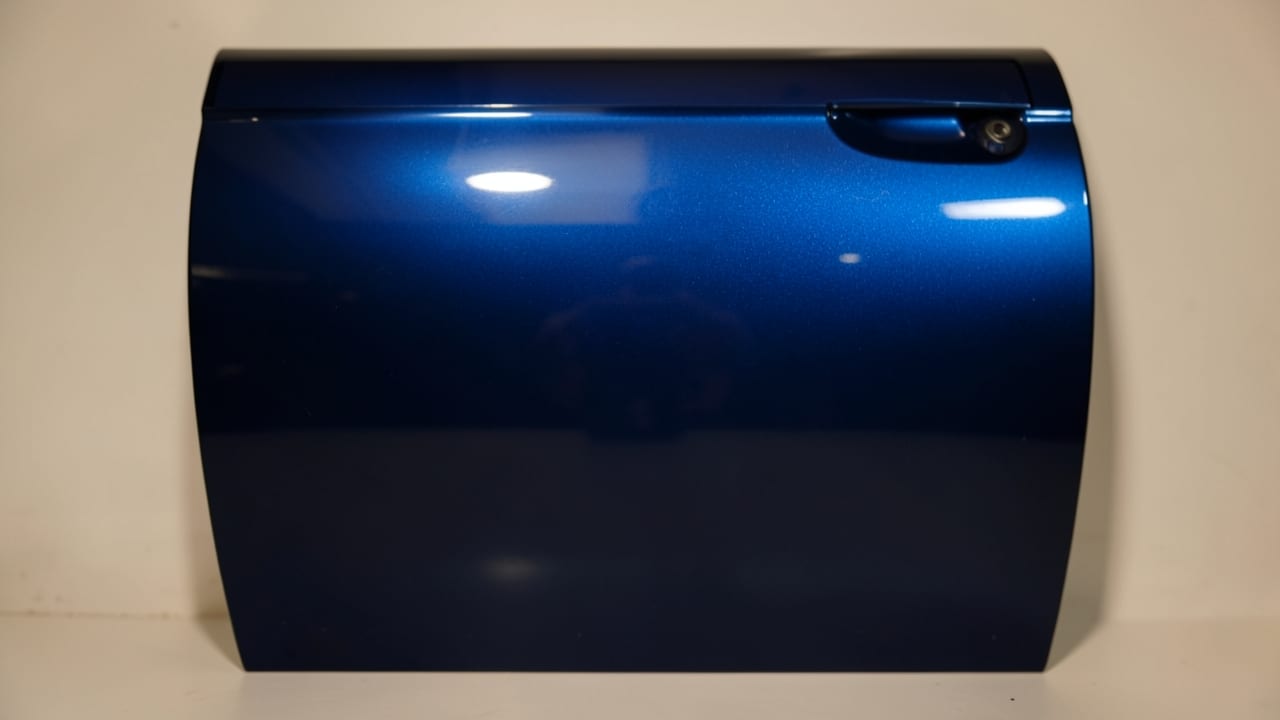
Clay Bar Paint Decontamination in Honolulu, HI
Clay bar paint decontamination in Honolulu, HI removes bonded surface contaminants a wash alone can't touch, before coating or correction.
Learn MoreCommon Questions About Ceramic Coating in Honolulu
Everything you need to know about ceramic coating services in Honolulu
How much does Iron Particle Decontamination typically cost in Honolulu, HI?
Does intense UV and dust in Honolulu, HI change coating maintenance?
What is the difference between graphene and SiO2 ceramic coatings?
Does a ceramic coating need to be topped up over time?
Can a ceramic coating be applied over existing swirl marks or light scratches?
Is ceramic coating ever covered by comprehensive auto insurance?
Need Ceramic Coating in Honolulu?
Get a written quote from our Honolulu crew.
⏰ We answer your call • Serving all of Honolulu and surrounding areas