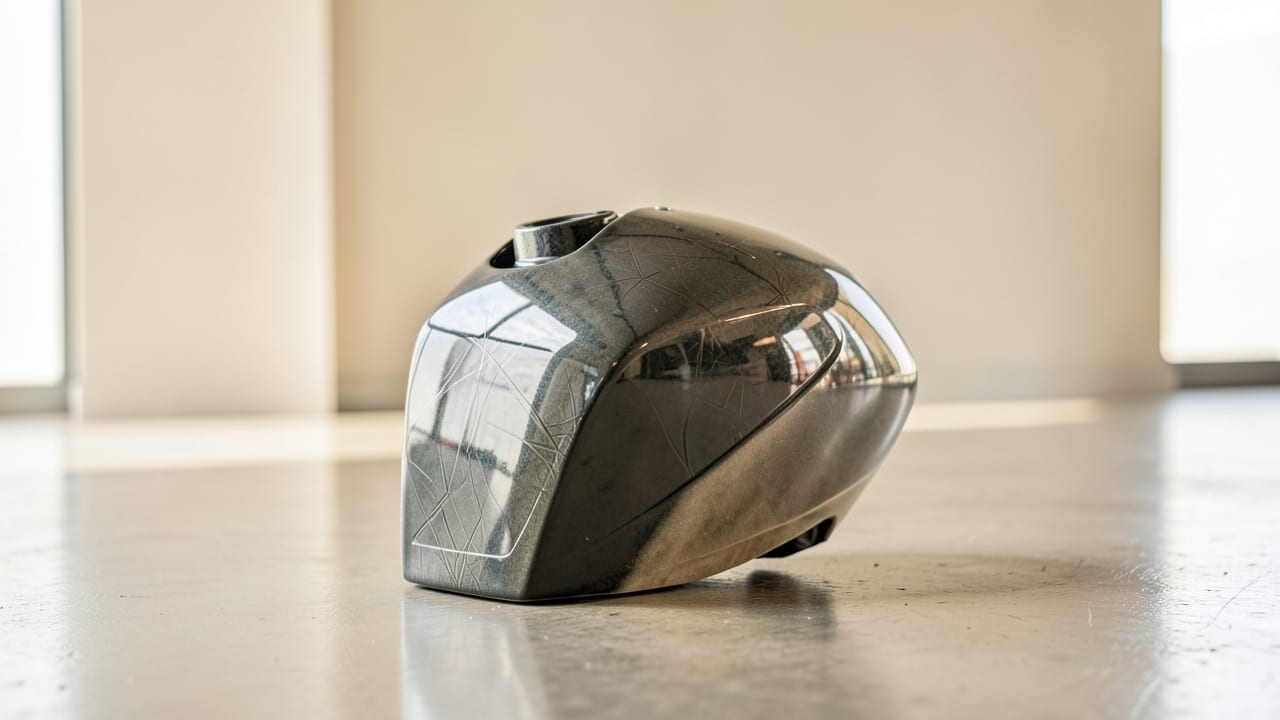
Motorcycle Ceramic Coating
Professional application of ceramic coating to protect motorcycle paint and surfaces from damage.
Motorcycle ceramic coating in Honolulu adds a protective liquid polymer layer to your bike’s paint, shielding it from scratches, UV damage, and contaminants. The process involves thorough cleaning, decontamination, and precise application to create a glossy, durable finish tailored to Honolulu’s humid climate and road conditions.
When your bike needs coating
Ceramic coating is most effective when applied to a clean, properly prepped surface. If your motorcycle’s paint feels rough when touched, or water no longer beads but spreads unevenly, these are signs the existing protection has worn off.
We also handle Bird Dropping Removal and Tree Sap Removal for Honolulu vehicles.
Fine swirl marks visible under direct sunlight or when running your fingers across the paint indicate surface scratches that build up over time. A coating won’t hide these unless they’re corrected first—skipping this step locks imperfections into the finish.
Signs Your Bike Needs Coating
- Water spreads instead of beading on the paint surface
- Paint feels rough or gritty when touched with clean fingertips
- Swirl marks or scratches appear under direct sunlight or raking light
- Paint looks dull or hazy after washing, rather than glossy
- Brake dust or road grime accumulates quickly between washes
What affects pricing and timing
The scope of work—whether full decontamination, clay bar treatment, and paint correction are included—impacts both cost and time. A bike with heavy contamination or deep scratches requires extra steps, extending the process to 4–6 hours or more.
Coating tiers (SiO2, graphene, or multi-layer) vary in durability and price. Graphene-based coatings, for example, may offer longer protection but require stricter application conditions, including controlled humidity and temperature.
| Factor | Typical Impact on Timing | Typical Impact on Cost |
|---|---|---|
| Surface condition (heavy contamination/scratches) | Adds 1–3 hours for correction | Increases by $100–$300 |
| Coating tier (SiO2 vs. graphene) | No added time, but stricter prep needed | Graphene: $200–$500 more |
| Wheel/tire coating add-on | Adds 30–60 minutes | Increases by $50–$150 |
| Humidity/temperature conditions (outside ideal range) | May require rescheduling | No direct cost, but delays possible |
Common missteps to avoid
Skipping decontamination steps like iron removal or clay bar treatment leaves bonded contaminants under the coating, reducing its lifespan. These steps ensure the surface is smooth and free of embedded particles before application.
Exposing the bike to rain or washing it before the coating cures can cause water-spot marks. The cure period—typically 24–48 hours—must be respected to avoid compromising the finish.
Coating over uncorrected swirl marks or scratches locks those imperfections into the finish permanently. A thorough paint inspection and correction step is critical for a smooth, long-lasting result.
How motorcycle ceramic coating works
- 1Foam Pre-Wash and Decontamination
The bike undergoes a foam wash to remove loose dirt, followed by separate wheel and tire cleaning. Chemical decontamination—using iron remover and tar remover—strips embedded brake dust and road grime before any mechanical contact with the paint.
- 2Clay Bar Treatment and Inspection
A clay bar or mitt is used with lubricant to physically remove bonded contaminants like industrial fallout. The paint is inspected under raking light for swirl marks or scratches, which are corrected with a polishing compound if needed.
- 3Panel Wipe-Down and Coating Application
Every panel is wiped down with isopropyl alcohol to remove residue, ensuring a clean surface for bonding. The coating is applied in a dust-free environment at controlled humidity and temperature, then left undisturbed to cure fully.
- 4Curing and Post-Care
The bike must remain protected from rain or washing during the cure period (24–48 hours). After curing, adopting a two-bucket wash method and avoiding automatic car washes helps maintain the coating’s performance.
Frequently asked questions
Will ceramic coating make my bike’s paint look brand new?
Coating enhances gloss and adds protection, but it won’t erase deep scratches or chips. If your paint has noticeable imperfections, those will remain visible unless corrected before coating. The finish will look smoother and more reflective, but results depend on the surface condition.
How long does the coating process take?
For a standard motorcycle with no major imperfections, the process typically takes 3–5 hours. Bikes needing paint correction or additional steps like wheel coating may require 4–6 hours or more. The cure time adds 24–48 hours before the bike can be exposed to rain or washing.
Can I wash my bike right after coating?
No, the coating must cure fully before washing. Exposure to water, even dew or rain, during the cure period can cause water-spot marks. After curing, use a pH-neutral soap and the two-bucket wash method to avoid fine scratching.
Does coating protect against rock chips or deep scratches?
Ceramic coating adds surface hardness to resist light swirls and UV damage, but it doesn’t stop rock chips or deep scratches. The coating is a protective layer, not a replacement for impact-resistant materials. Parking in shaded areas or using windshields can help reduce chip risks.
See Waipio, HI for more, or see the full ceramic coating lineup we run in Honolulu from start to finish for our complete lineup.
Ready to get started?
Talk to a local ceramic coating pro in Honolulu — get a written quote.
Other Ceramic Coating Services in Honolulu
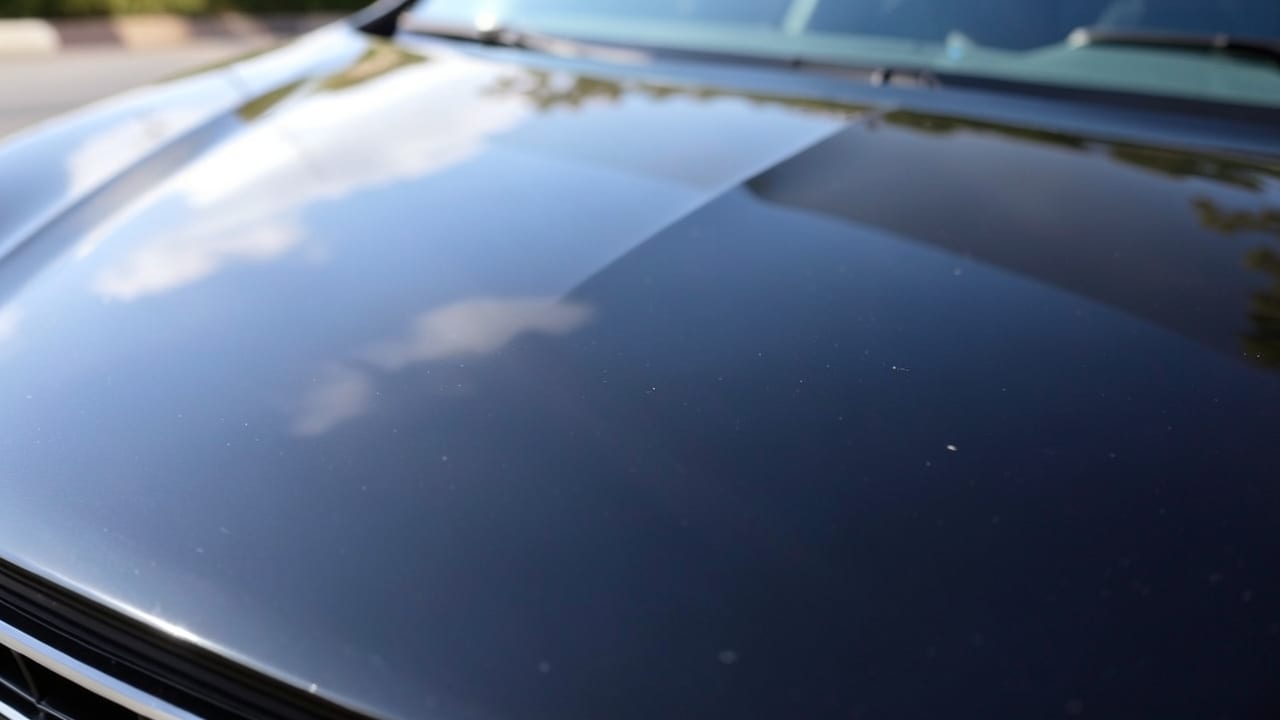
Bird Dropping Removal in Honolulu, HI
Professional removal of bird droppings to prevent paint damage and maintain ceramic coatings.
Learn More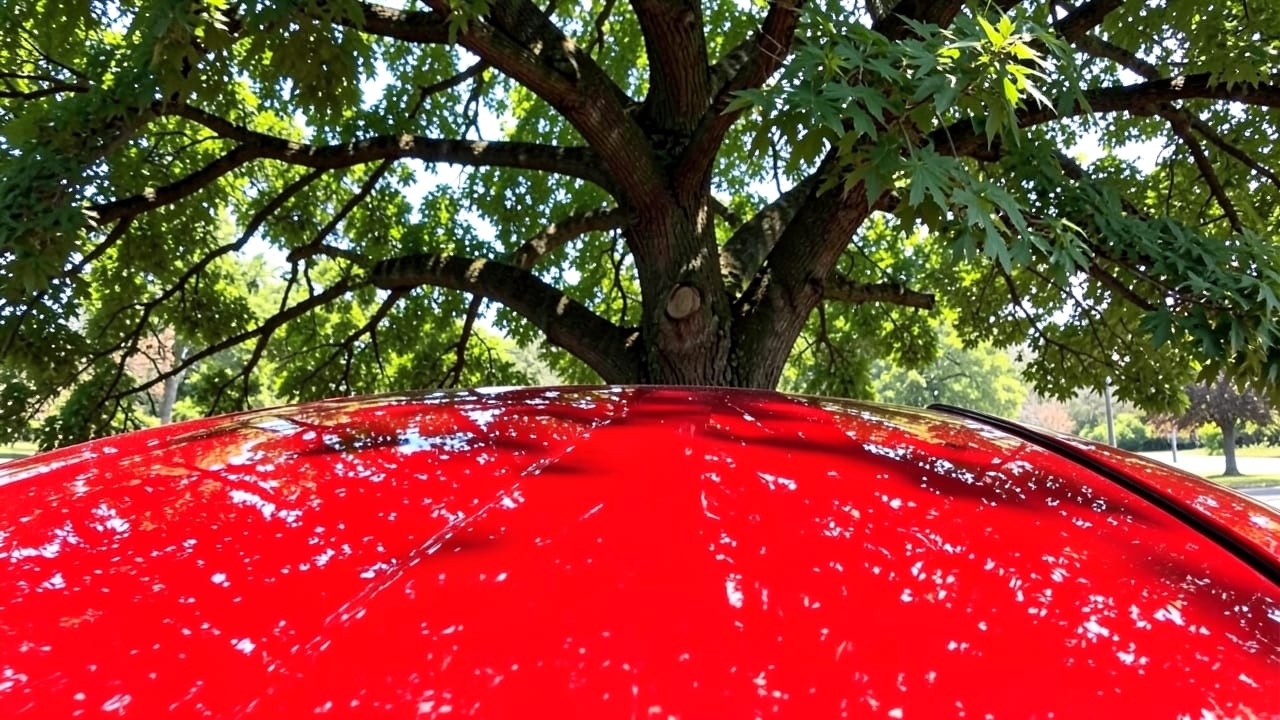
Tree Sap Removal in Honolulu, HI
Professional removal of tree sap from vehicle surfaces using safe, paint-friendly methods.
Learn More
Iron Particle Decontamination in Honolulu, HI
Removal of embedded iron particles from automotive paint using chemical solutions.
Learn More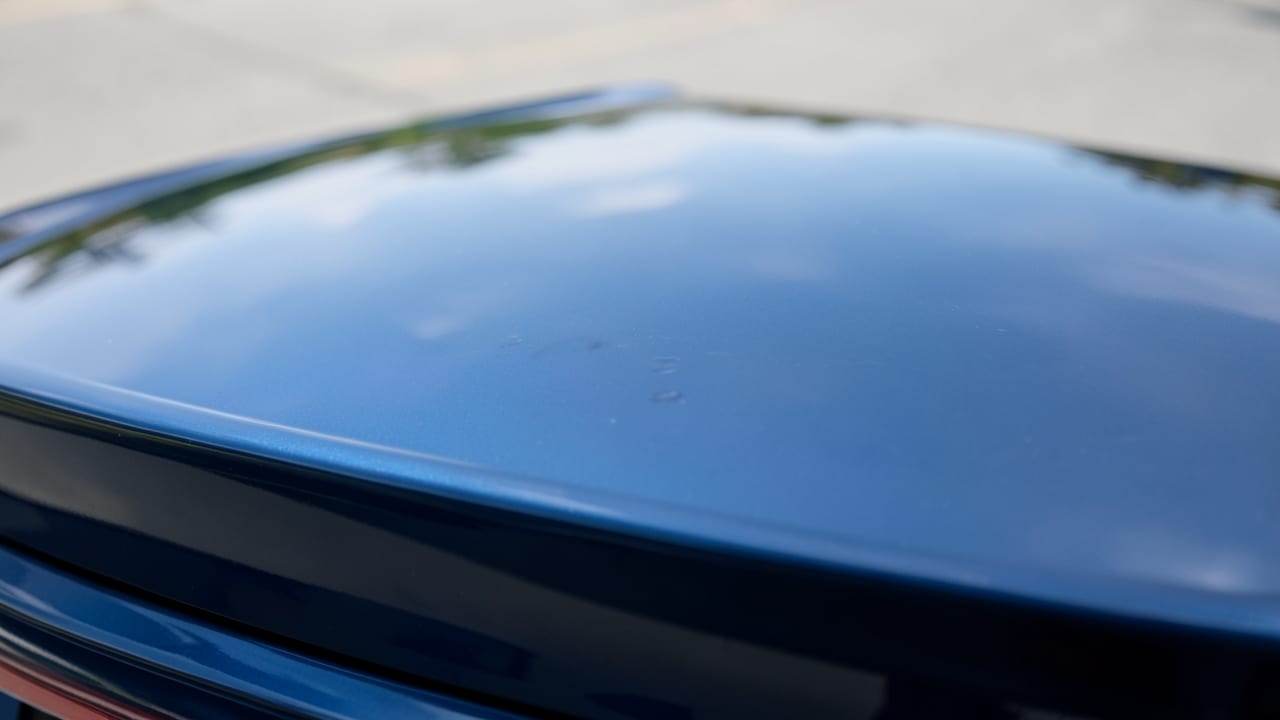
Water Spot Removal in Honolulu, HI
Professional removal of water spots from ceramic-coated or painted surfaces to restore appearance.
Learn More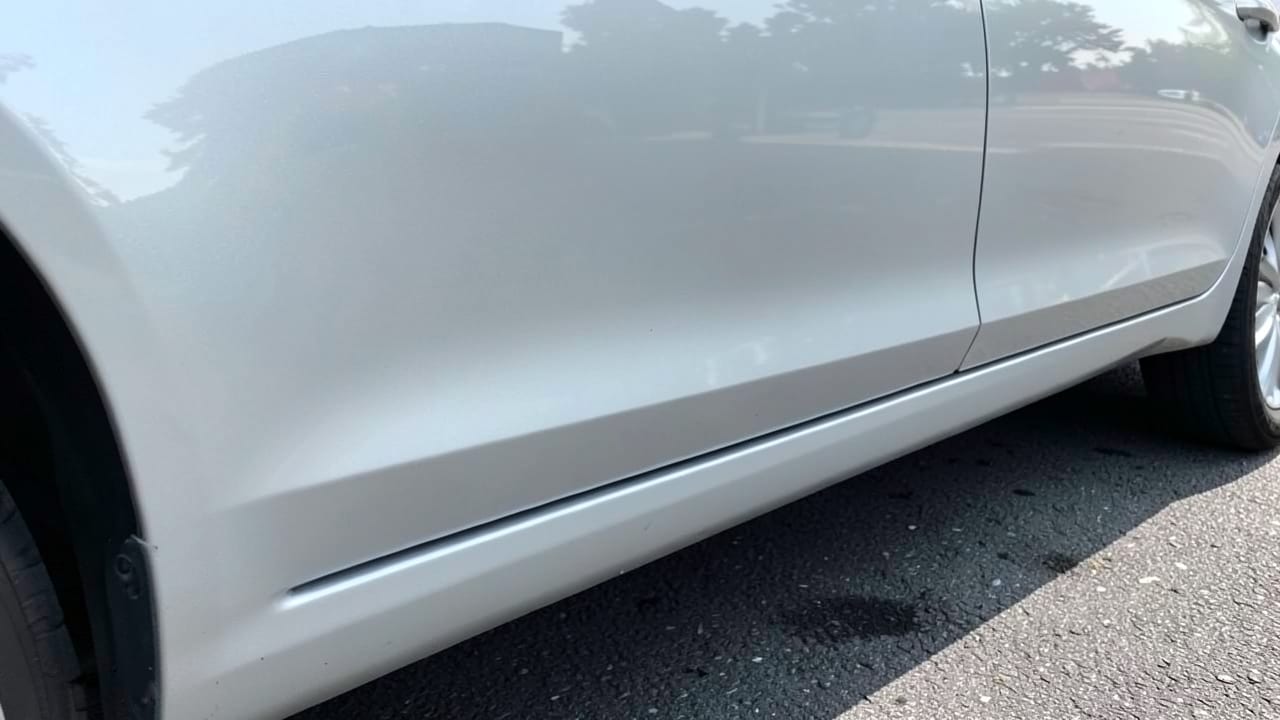
Road Tar Removal in Honolulu, HI
Professional removal of road tar from vehicle paint using safe, ceramic-friendly methods.
Learn More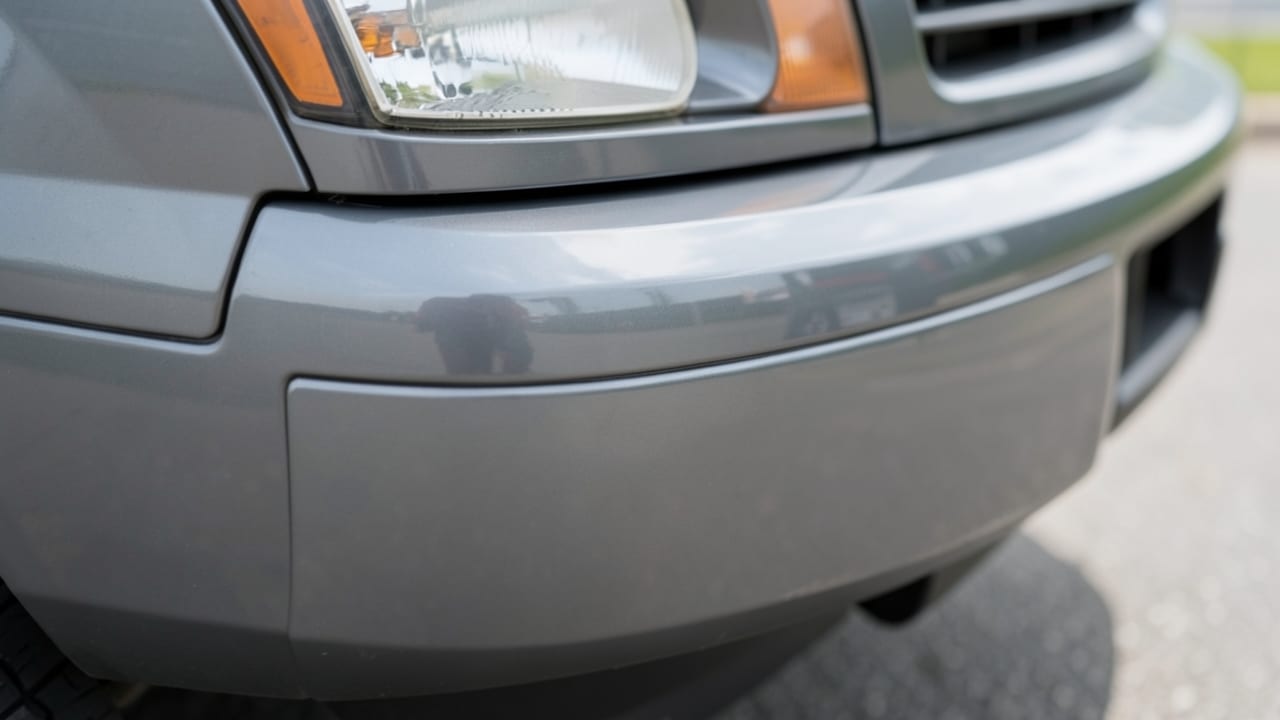
Bug Splatter Removal in Honolulu, HI
Professional removal of insect residue from vehicle paint without damaging the ceramic coating or finish.
Learn MoreCommon Questions About Ceramic Coating in Honolulu
Everything you need to know about ceramic coating services in Honolulu
How much does Motorcycle Ceramic Coating typically cost in Honolulu, HI?
Does intense UV and dust in Honolulu, HI change coating maintenance?
How long does a ceramic coating actually last in real-world use?
What is the difference between graphene and SiO2 ceramic coatings?
Does a ceramic coating need to be topped up over time?
Can a ceramic coating be applied over existing swirl marks or light scratches?
Need Ceramic Coating in Honolulu?
Get a written quote from our Honolulu crew.
⏰ We answer your call • Serving all of Honolulu and surrounding areas