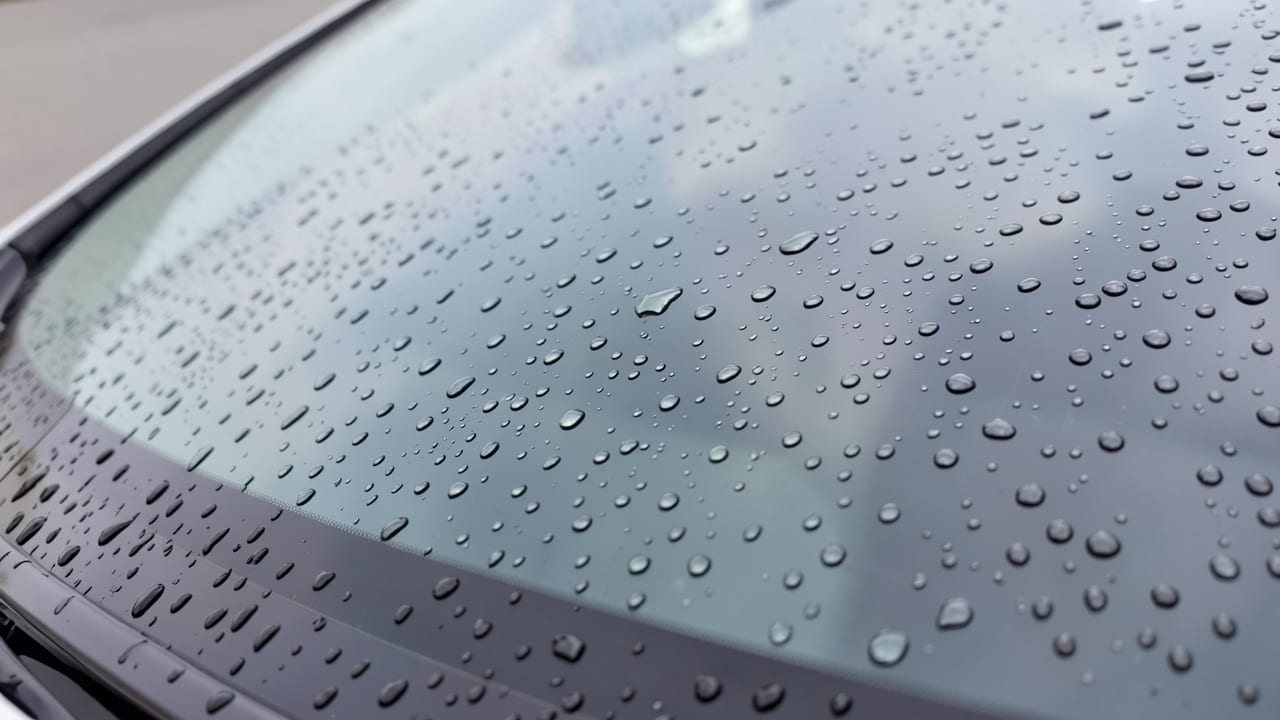
Glass Surface Hydrophobic Treatment
Applying a ceramic coating to glass surfaces for water repellency and easier cleaning.
Glass Surface Hydrophobic Treatment in Honolulu applies a ceramic coating to windows, shower enclosures, and other glass surfaces, creating a water-repellent barrier that reduces streaks, mineral deposits, and maintenance.
Ideal for homes in the humid tropical climate, this treatment helps preserve clarity and ease cleaning in areas like Pearl City, Waipahu, and Waikele.
We also handle Paint Protection Film (PPF) Installation and Ceramic Window Tint for Honolulu vehicles.
When is treatment needed?
Signs your glass surfaces need hydrophobic treatment include water beading poorly, frequent streaks after cleaning, or visible mineral deposits. Humidity and salt air in Honolulu accelerate buildup, making regular maintenance harder. Treated surfaces repel water more effectively, reducing the need for frequent wiping.
If water spreads instead of beading, or if glass feels tacky to the touch, contaminants have likely built up. This treatment helps restore smoothness and repellency, improving visibility and reducing cleaning time.
Signs Your Glass Needs Treatment
- Water spreads instead of beading into droplets
- Frequent streaks or mineral deposits after cleaning
- Glass feels rough or gritty when touched
- Increased cleaning effort due to buildup
What affects pricing and results?
Pricing depends on the size and number of glass surfaces treated, as well as the level of pre-treatment needed. Larger windows or multiple enclosures may require more time and materials. Results also vary based on surface condition—heavily contaminated glass may need extra cleaning before coating.
Humidity and exposure to salt air in Honolulu can shorten the lifespan of untreated surfaces. Proper maintenance after treatment helps extend its effectiveness.
Why it matters in Honolulu’s climate
Honolulu’s tropical climate—high humidity, salt air, and frequent rain—accelerates mineral buildup on glass. Hydrophobic treatment creates a protective barrier that repels water, reducing streaks and deposits. This is especially useful for shower enclosures, skylights, and vehicle windows exposed to these conditions.
Without treatment, mineral deposits and water spots become more pronounced over time, requiring more frequent cleaning. Treated surfaces stay clearer longer, saving time and effort.
Wipe treated surfaces with a microfiber cloth and mild cleaner to maintain repellency. Avoid abrasive tools that can damage the coating.
How glass surface hydrophobic treatment works
This process involves cleaning, decontaminating, and applying a ceramic coating to glass surfaces.
- 1Surface Cleaning
Glass is thoroughly cleaned with a foam wash and wheel cleaner to remove dirt, grime, and contaminants. This ensures a smooth base for the coating.
- 2Decontamination
Chemical treatments like iron removers and clay bar applications lift embedded contaminants, leaving the glass physically smooth and free of bonded particles.
- 3Coating Application
A ceramic coating is applied in a controlled environment, creating a water-repellent barrier that causes water to bead and roll off.
- 4Curing
The coating is left undisturbed for the manufacturer’s specified cure time, typically 24–48 hours, before exposure to water or cleaning.
Frequently asked questions
How long does the hydrophobic effect last?
The duration varies based on maintenance and exposure. In Honolulu’s climate, reapplication is typically needed every 2–5 years for optimal performance.
Will this treatment work on all glass surfaces?
Yes, it can be applied to windows, shower enclosures, vehicle glass, and other smooth surfaces. Rough or textured glass may require additional prep work.
Does this treatment protect against scratches?
The coating adds a layer of protection against light swirls and water spots but does not prevent scratches from abrasive tools or impacts.
How should I clean treated glass afterward?
Use a soft microfiber cloth and a mild, pH-neutral cleaner. Avoid harsh chemicals or abrasive pads to preserve the coating’s effectiveness.
See Mililani Town, HI for more, or explore everything on offer in Honolulu across the area for our complete lineup.
Ready to get started?
Talk to a local ceramic coating pro in Honolulu — get a written quote.
Other Ceramic Coating Services in Honolulu
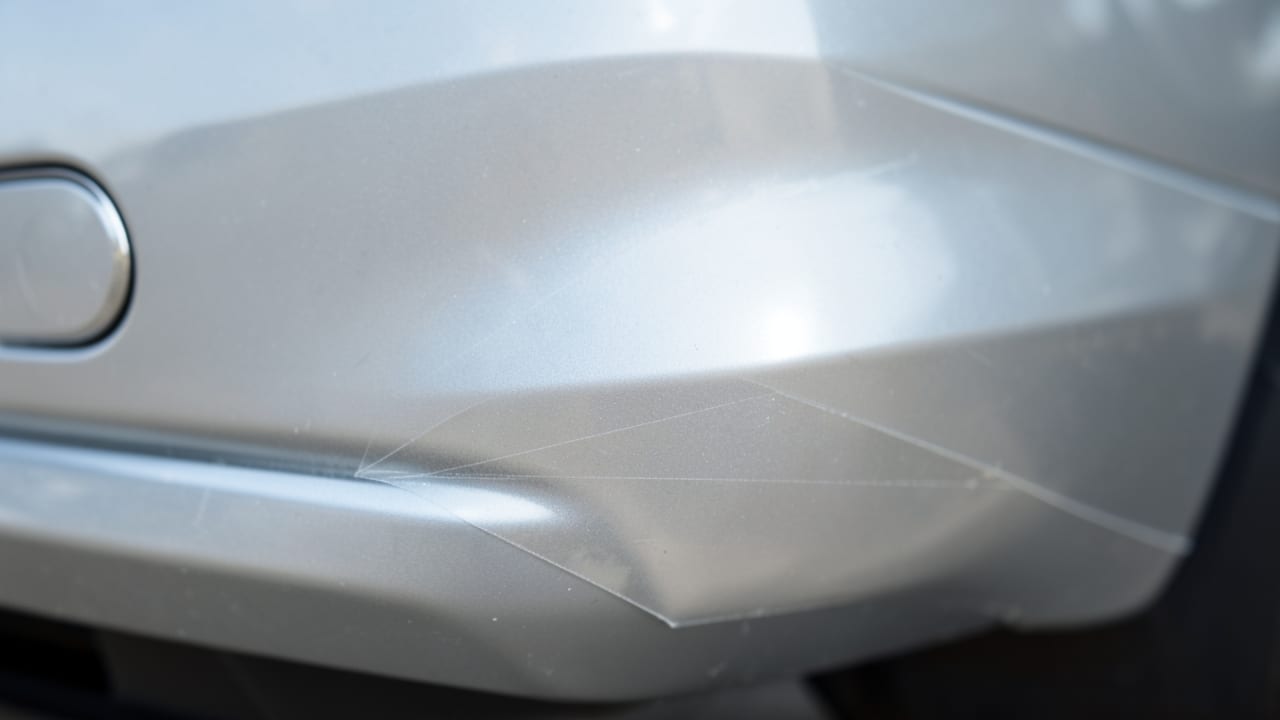
Paint Protection Film (PPF) Installation in Honolulu, HI
Self-healing clear PPF installation in Honolulu, HI for high-impact panels or a full-body wrap — real physical protection against rock chips and road debris.
Learn More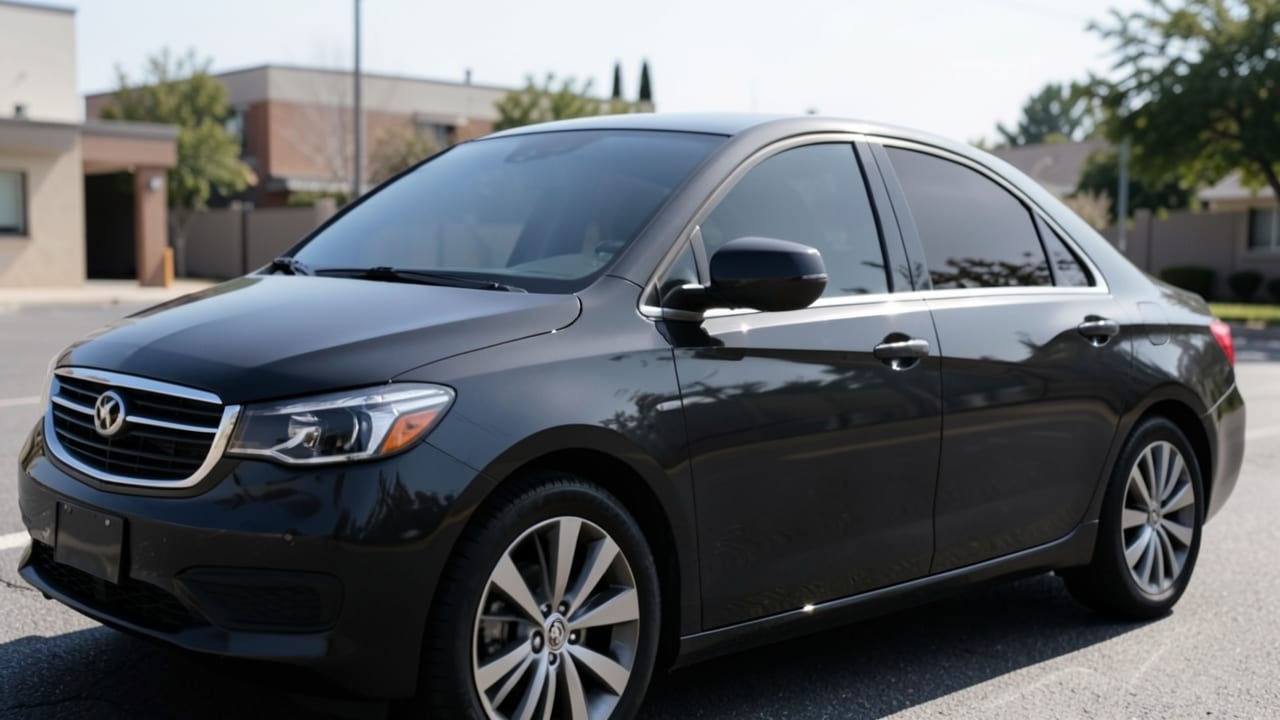
Ceramic Window Tint in Honolulu, HI
Nano-ceramic window tint in Honolulu, HI — rejects heat and blocks 99% of UV without the signal interference or fading of cheaper films.
Learn More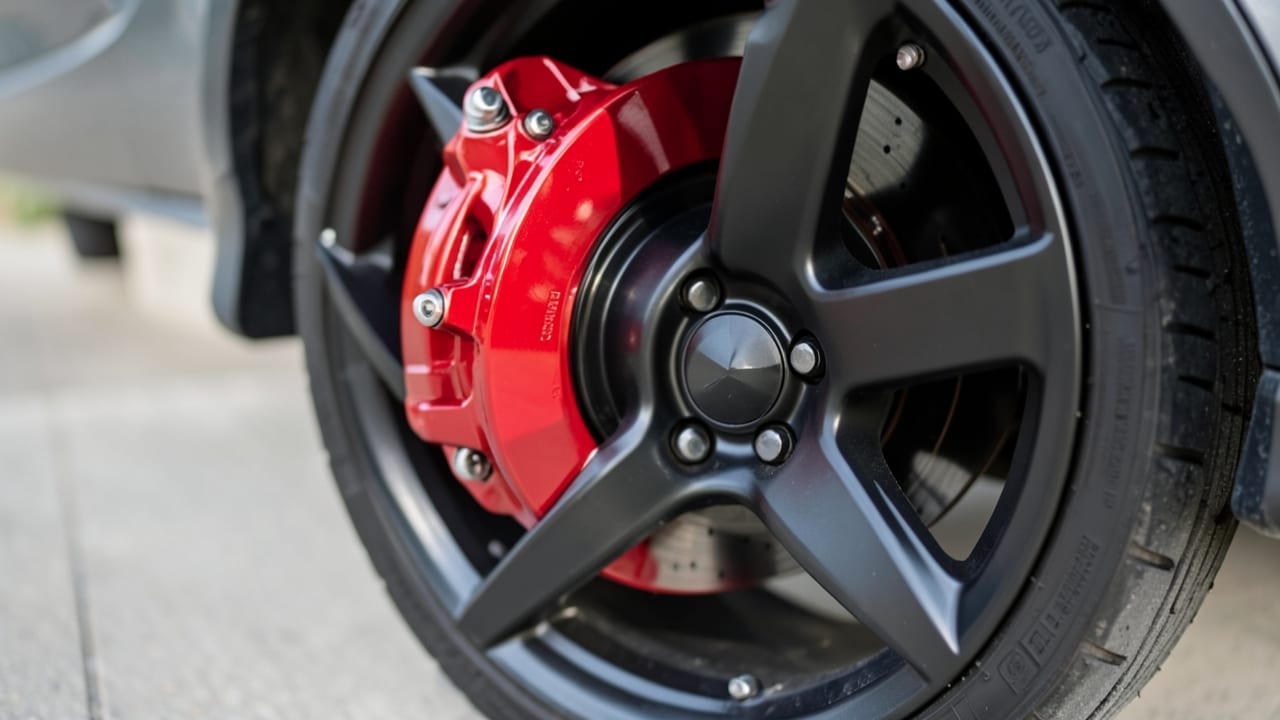
Wheel & Brake Caliper Ceramic Coating in Honolulu, HI
Dedicated ceramic coating for wheels and brake calipers in Honolulu, HI — stops brake dust and corrosive grime from bonding to the finish.
Learn More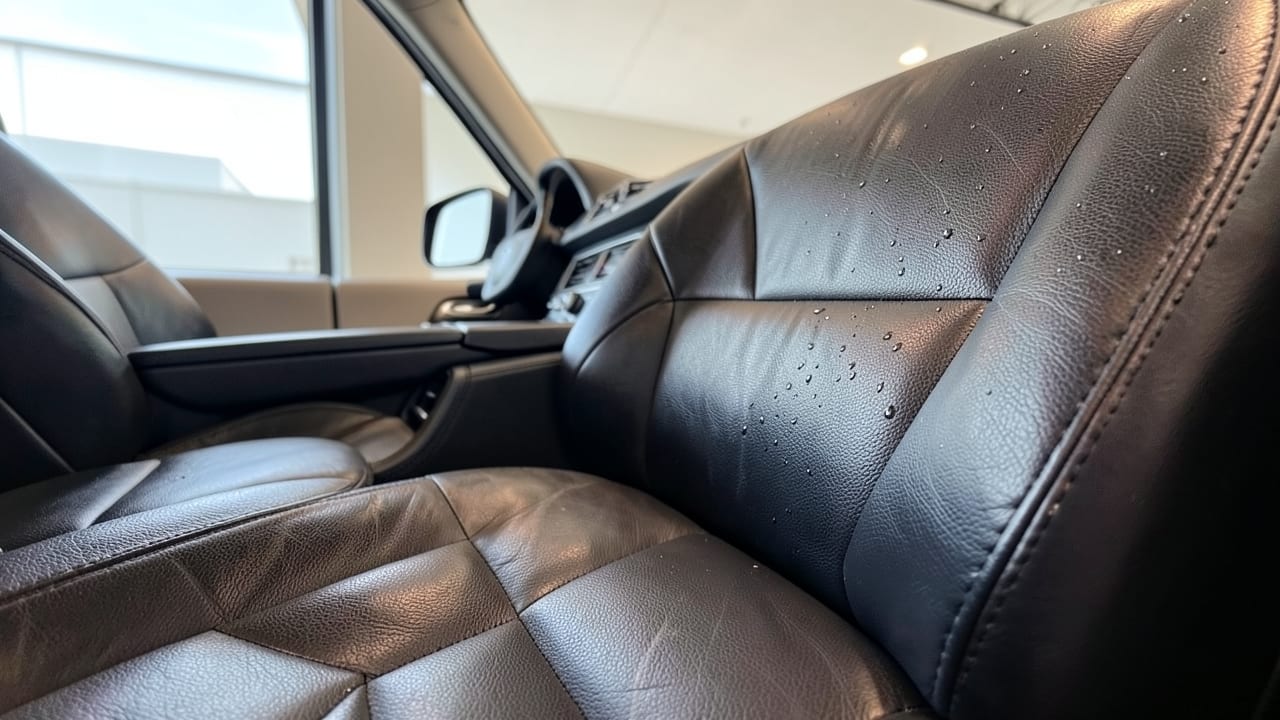
Interior Ceramic Protection in Honolulu, HI
Interior fabric, leather, and trim ceramic protection in Honolulu, HI — guards against spills, UV fading, and daily wear.
Learn More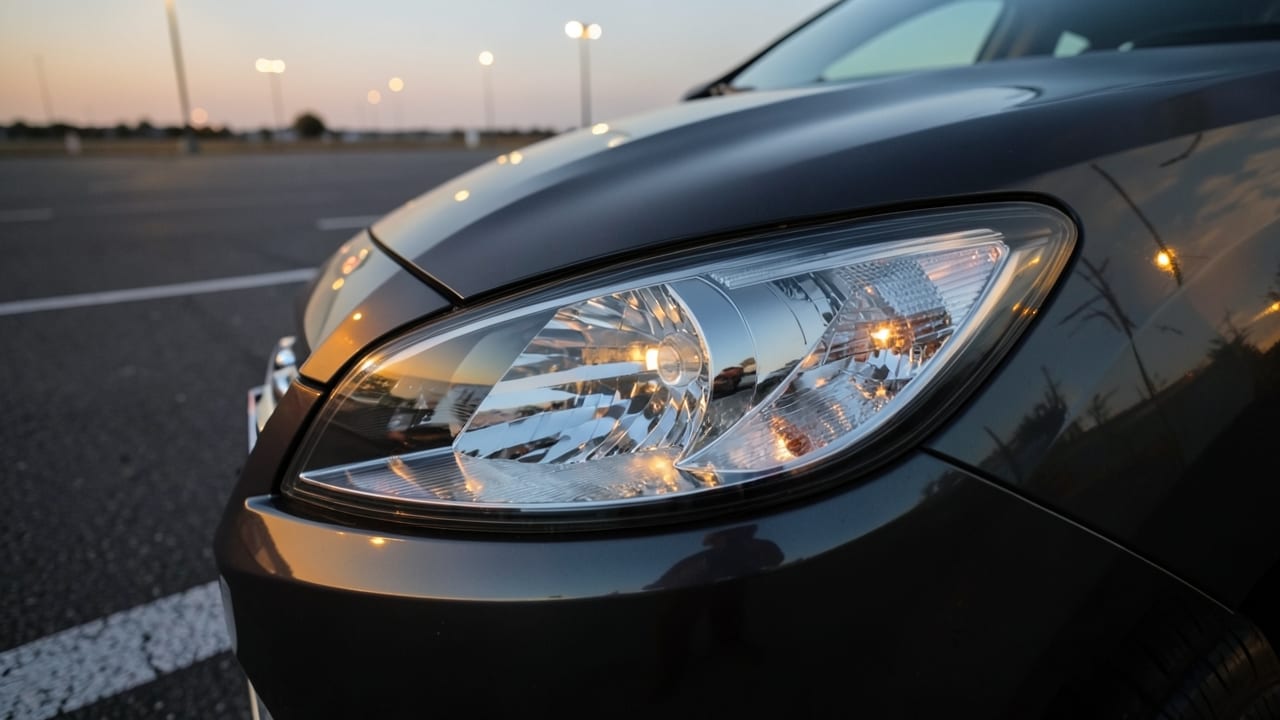
Headlight Restoration & Coating in Honolulu, HI
Headlight restoration and UV-protective coating in Honolulu, HI — restores clarity and nighttime visibility without replacing the assembly.
Learn More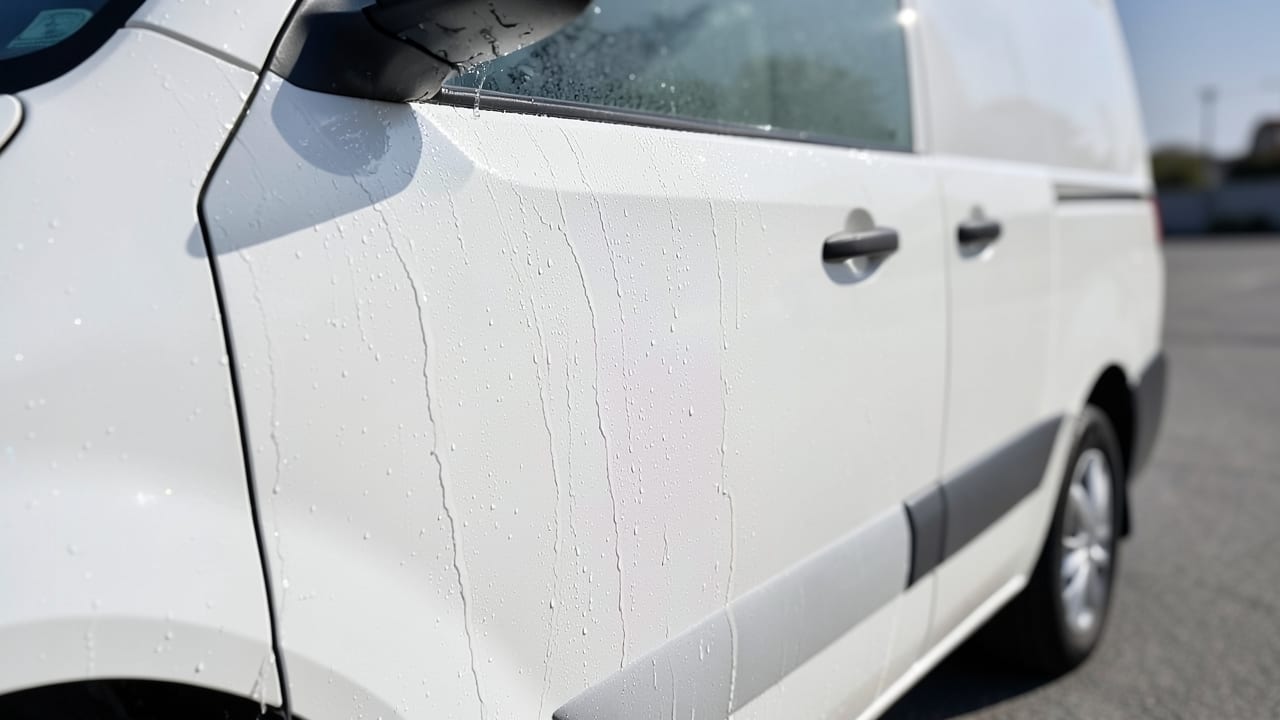
Fleet & Commercial Vehicle Coating in Honolulu, HI
Ceramic coating programs for fleets and commercial vehicles in Honolulu, HI — faster washing, longer-lasting branded wraps, and protected resale value.
Learn MoreCommon Questions About Ceramic Coating in Honolulu
Everything you need to know about ceramic coating services in Honolulu
How much does Glass Surface Hydrophobic Treatment typically cost in Honolulu, HI?
Does intense UV and dust in Honolulu, HI change coating maintenance?
What is the difference between graphene and SiO2 ceramic coatings?
Does a ceramic coating need to be topped up over time?
Can a ceramic coating be applied over existing swirl marks or light scratches?
Is ceramic coating ever covered by comprehensive auto insurance?
Need Ceramic Coating in Honolulu?
Get a written quote from our Honolulu crew.
⏰ We answer your call • Serving all of Honolulu and surrounding areas