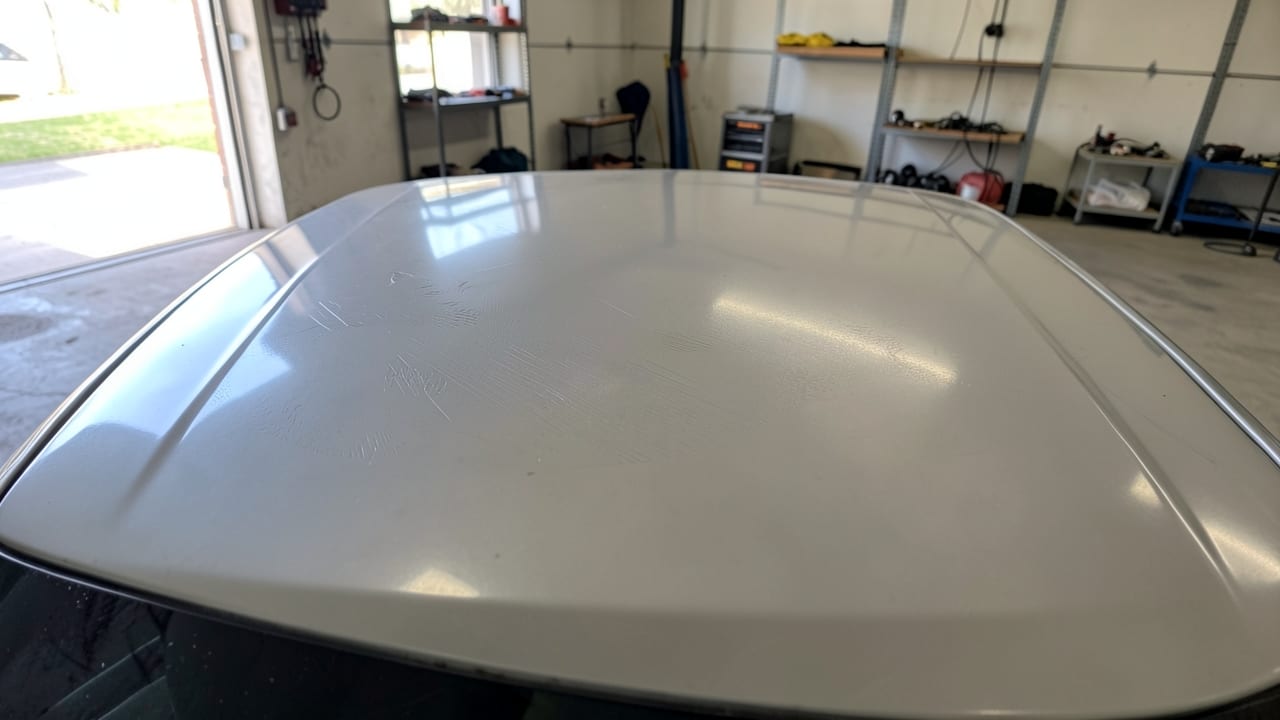
Acid Rain Etch Removal
Professional removal of acid rain etching from vehicle surfaces using ceramic coatings and paint correction.
Acid rain and environmental contaminants in Honolulu can dull or etch your vehicle’s paint over time, especially in areas with high humidity and salt exposure. Acid Rain Etch Removal restores the finish by identifying and safely lifting embedded contaminants, then applying a protective ceramic coating to help prevent future damage.
This service is tailored to the unique challenges of driving in Oahu’s climate, where contaminants like tar, brake dust, and bird droppings are common.
We also handle Boat Gelcoat Restoration and Metal Surface Anti-Corrosion for Honolulu vehicles.
Signs your vehicle needs acid rain etch removal
Contaminants like tar, brake dust, or industrial fallout often leave behind tiny, stubborn marks that survive regular washing. These can appear as dark specks on lighter paint, a gritty texture when touched, or faint shadows where sap or bird droppings once sat.
If your vehicle’s paint feels rough or looks dull despite frequent cleaning, embedded contaminants may be the cause.
Acid rain and salt exposure in Honolulu accelerate paint degradation, making early treatment critical. Ignoring these signs can lead to deeper etching, which requires more extensive correction later. The longer contaminants sit, the harder they become to remove without damaging the clear coat.
Common Signs of Embedded Contaminants
- Dark specks or spots that remain after washing, especially on light-colored paint
- A gritty or bumpy texture when running a clean hand over the paint
- Faint shadows or recurring marks in the same spot (e.g., under trees or near highways)
- Paint that looks dull or lacks shine despite regular cleaning
- Orange or rust-colored particles concentrated behind the front wheels (brake dust)
How contaminants affect your paint’s longevity
Different contaminants require different treatments—using the wrong product can spread the issue or damage the paint further. For example, iron particles from brake dust need a dedicated iron remover, while tar or sap requires a specialized adhesive-breaking solution.
Skipping the right chemical treatment or rushing the process can embed contaminants deeper, making them harder to remove in the future.
Honolulu’s climate, with its mix of humidity, salt air, and frequent contaminants, speeds up paint degradation. Regular maintenance, like rinsing contaminants within 48 hours of landing, helps prevent them from bonding permanently. A protective ceramic coating applied after decontamination adds an extra layer of defense against future damage.
| Contaminant Type | Common Source | Treatment Required | Risk if Untreated |
|---|---|---|---|
| Iron particles | Brake dust, industrial fallout | Iron remover + clay bar | Permanent rust streaks |
| Tar or sap | Trees, road debris | Adhesive remover + dwell time | Etched, shadowy marks |
| Bird droppings | Urban birds, parking near trees | pH-neutral cleaner + rinse | Acid etching |
| Overspray | Construction zones, nearby work | Specialized solvent wipe | Dull, marred finish |
What to expect during the process
The service begins with a thorough inspection to identify contaminants and their sources. This step ensures the right products are used, avoiding common mistakes like spreading embedded particles.
After treatment, a protective ceramic coating is applied to restore shine and add durability, though it does not replace impact protection from rock chips or deep scratches.
Honolulu’s environmental factors mean contaminants often reappear if not addressed promptly. Regular washing and parking strategies—like avoiding areas with heavy sap or bird activity—can reduce how often decontamination is needed. A spray sealant applied after treatment helps the clean surface resist future bonding of contaminants.
How acid rain etch removal works
This process restores your vehicle’s paint by safely lifting embedded contaminants and protecting it from future damage.
- 1Contaminant Identification
The paint is inspected under direct light to pinpoint contaminants like brake dust, tar, or bird droppings. Each type requires a specific chemical treatment to avoid spreading or damaging the paint.
- 2Targeted Chemical Treatment
A product formulated for the identified contaminant is applied and allowed to dwell, breaking down bonds without scrubbing. For example, iron particles need a dedicated remover, while tar requires an adhesive-breaking solution.
- 3Mechanical Lifting (If Needed)
If chemical treatment alone doesn’t fully release the contaminant, a clay bar or mitt is used with a lubricant to gently lift remaining particles without dragging grit across the paint.
- 4Rinse and Inspection
The area is rinsed clean, and the paint is inspected under direct light to confirm contaminants are fully removed. Some contaminants may appear gone indoors but reappear outdoors, so thoroughness is key.
- 5Protective Follow-Up
A spray sealant or coating topper is applied to restore the paint’s protective layer, which may have been stripped during decontamination. This step helps prevent future contaminants from bonding as deeply.
Frequently asked questions
How do I know if my car’s paint needs etch removal instead of a regular wash?
If dark specks or a gritty texture remain after washing, or if the paint looks dull despite regular cleaning, embedded contaminants likely require professional removal. Regular washing only lifts loose dirt, while etch removal targets bonded particles.
Can ceramic coatings prevent future acid rain or contaminant damage?
Ceramic coatings add a protective layer that makes it harder for contaminants to bond, but they do not eliminate the need for prompt rinsing or treatment. Parking away from trees or industrial areas also reduces exposure to contaminants.
Will the coating make my car’s paint shine brighter immediately?
The coating enhances shine by restoring the paint’s smoothness and adding a glossy layer, but results depend on the paint’s condition before treatment. Deeper etching or swirls may require additional correction steps.
How often should I have my car’s paint decontaminated in Honolulu’s climate?
Frequency depends on exposure—vehicles parked near trees, highways, or industrial areas may need treatment every 6–12 months. Regular rinsing within 48 hours of contamination helps prevent buildup and extends the time between professional treatments.
See West Loch Estate, HI for more, or our full range of ceramic coating services for our complete lineup.
Ready to get started?
Talk to a local ceramic coating pro in Honolulu — get a written quote.
Other Ceramic Coating Services in Honolulu
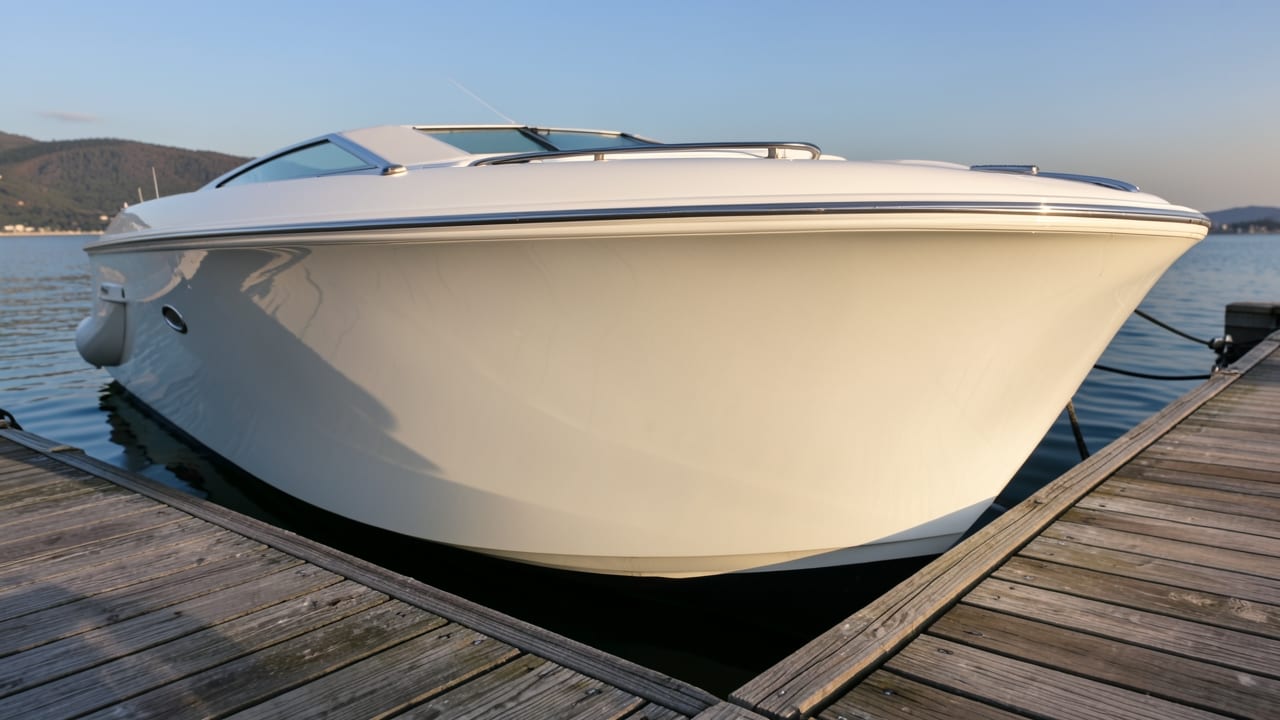
Boat Gelcoat Restoration in Honolulu, HI
Restoring and protecting boat gelcoat with ceramic coatings to renew shine and durability.
Learn More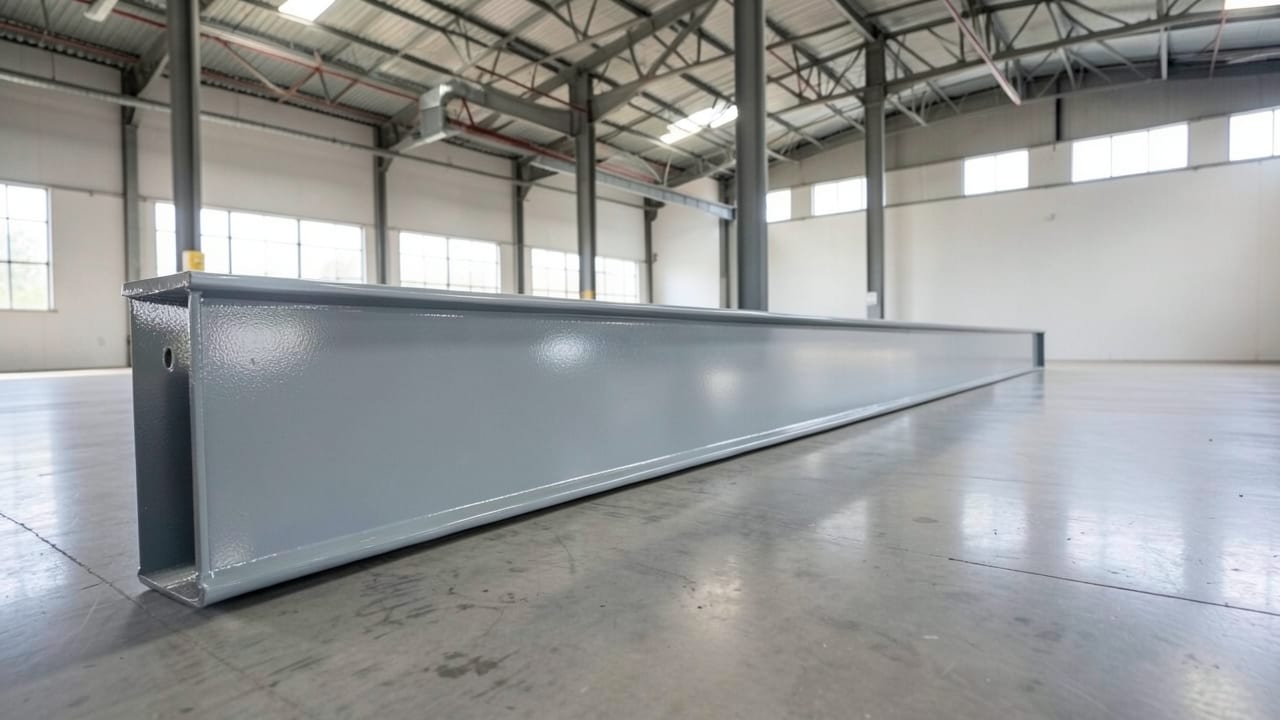
Metal Surface Anti-Corrosion in Honolulu, HI
Ceramic coatings and specialized paints applied to metal surfaces to prevent rust and corrosion.
Learn More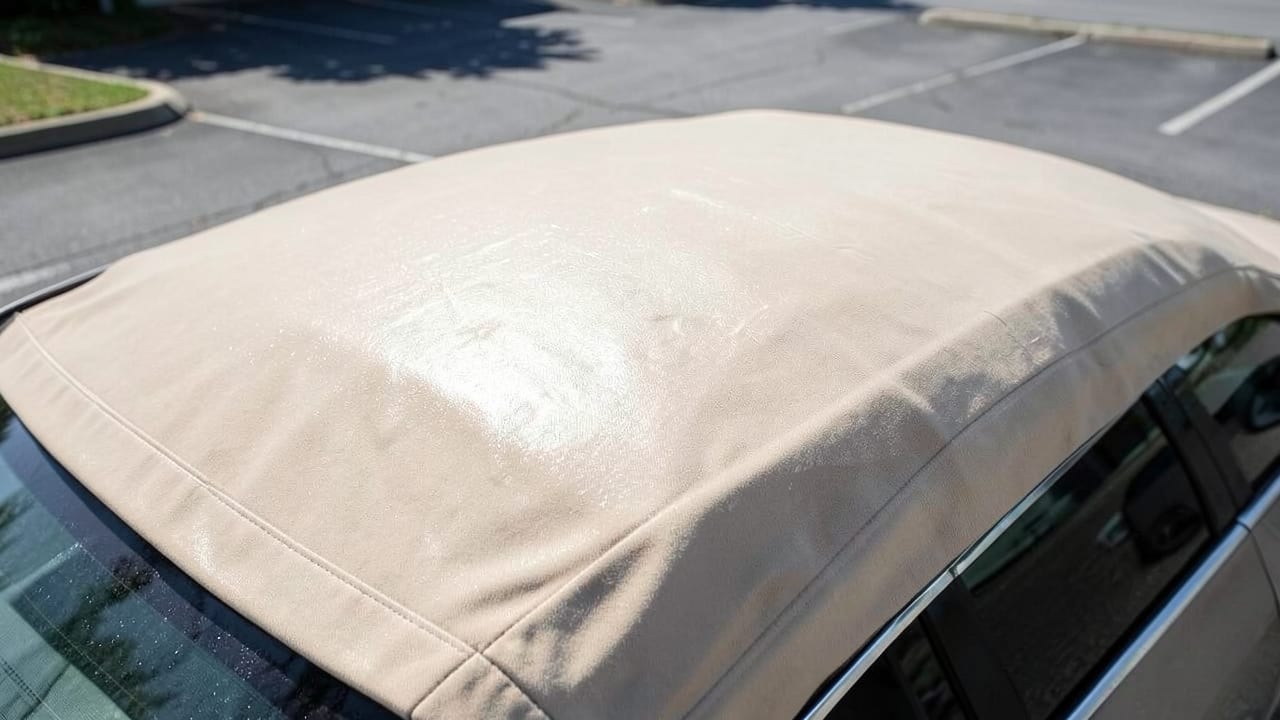
Fabric Soft Top Coating in Honolulu, HI
Application of ceramic coating to protect and enhance fabric soft tops on vehicles.
Learn More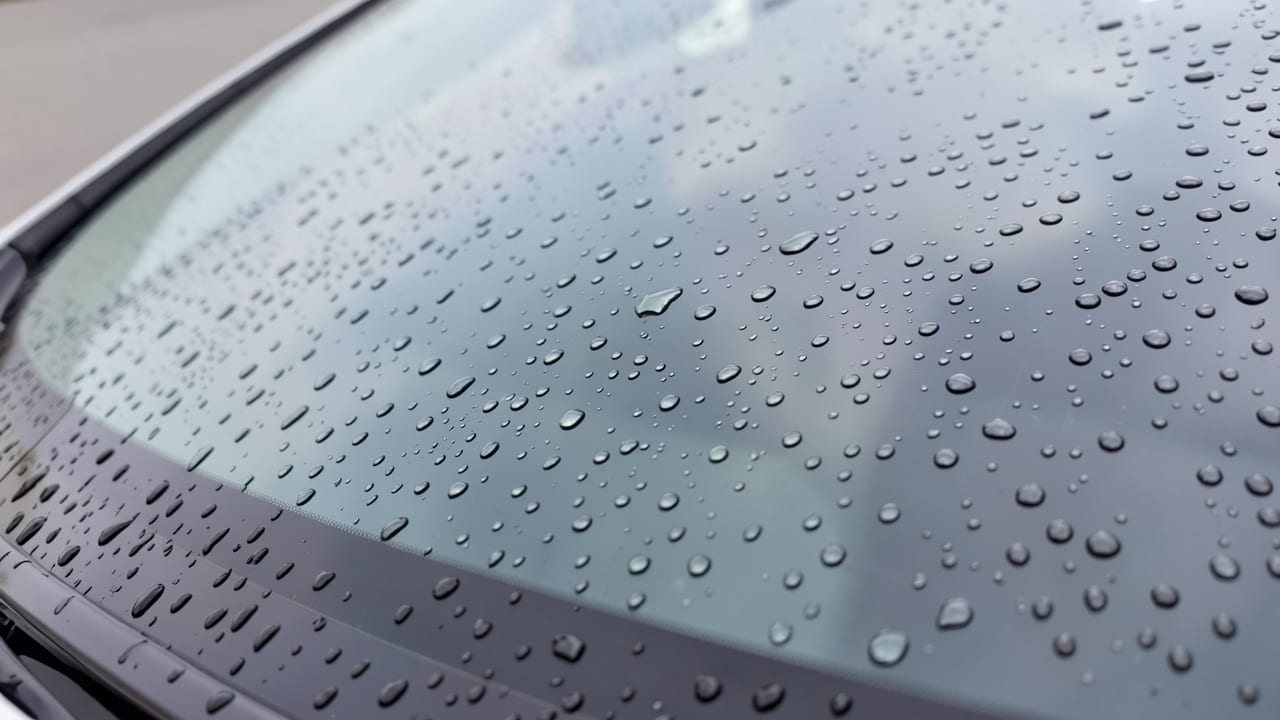
Glass Surface Hydrophobic Treatment in Honolulu, HI
Applying a ceramic coating to glass surfaces for water repellency and easier cleaning.
Learn More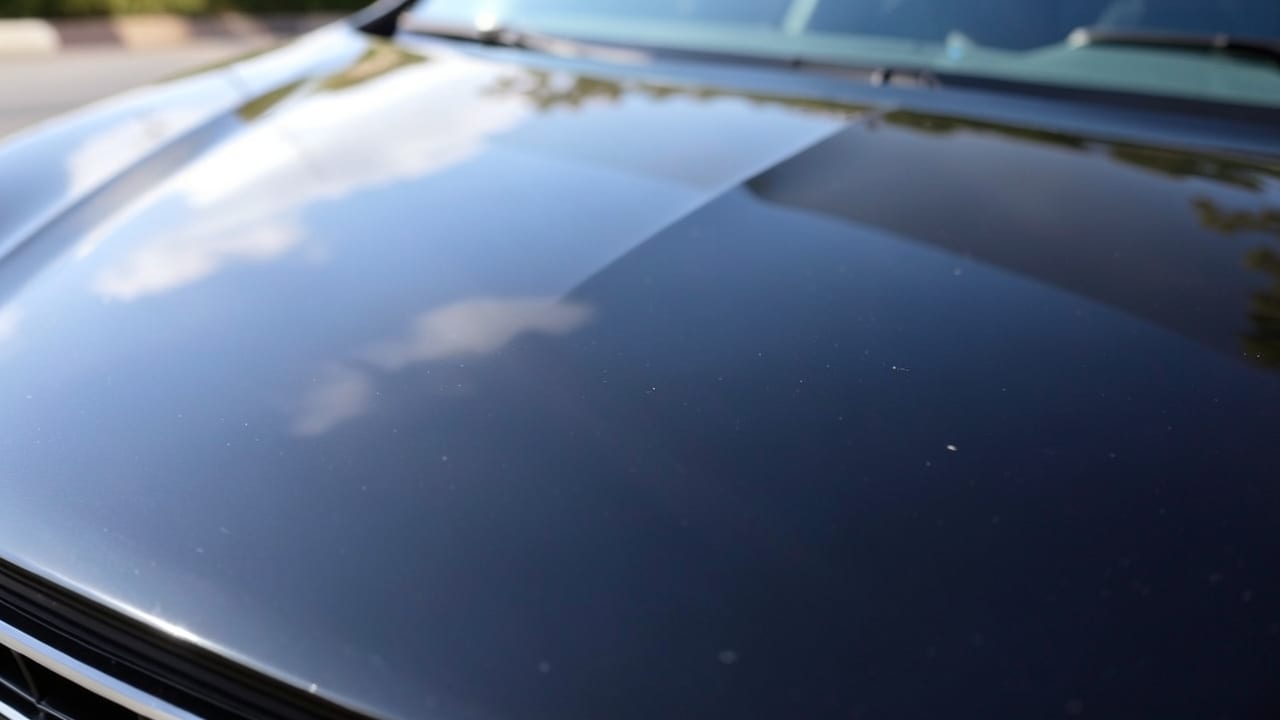
Bird Dropping Removal in Honolulu, HI
Professional removal of bird droppings to prevent paint damage and maintain ceramic coatings.
Learn More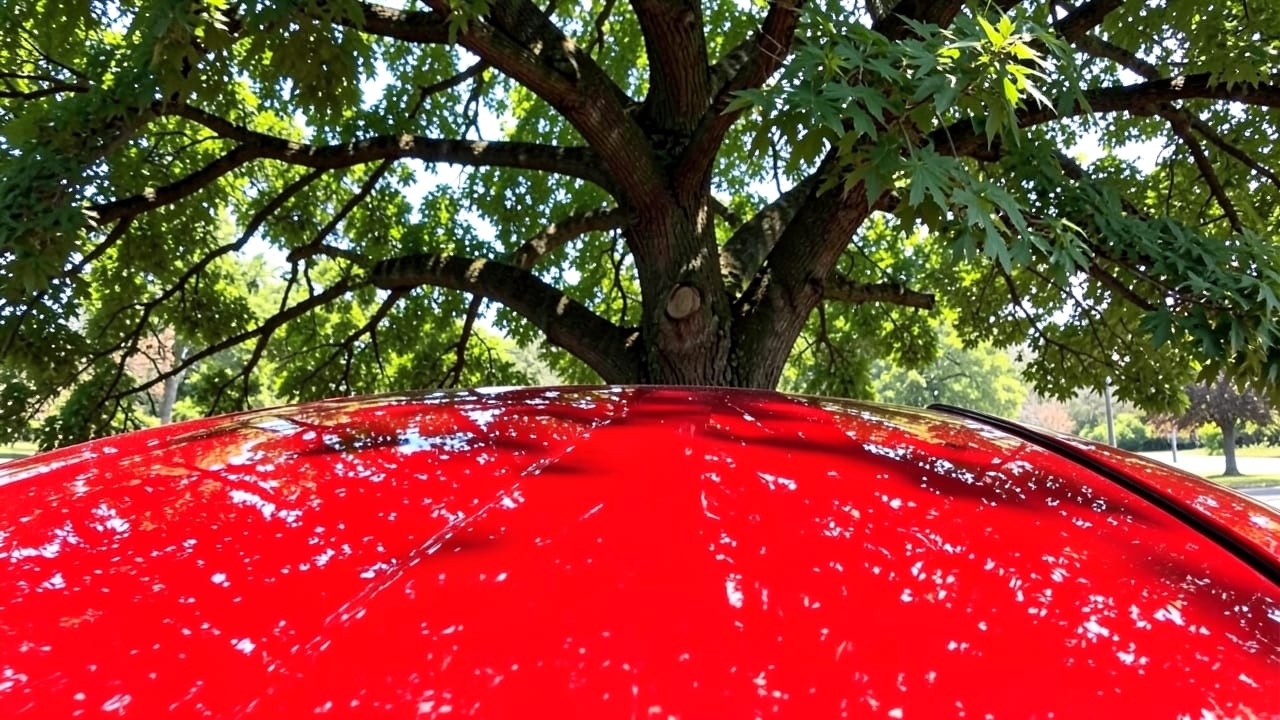
Tree Sap Removal in Honolulu, HI
Professional removal of tree sap from vehicle surfaces using safe, paint-friendly methods.
Learn MoreCommon Questions About Ceramic Coating in Honolulu
Everything you need to know about ceramic coating services in Honolulu
How much does Acid Rain Etch Removal typically cost in Honolulu, HI?
Does intense UV and dust in Honolulu, HI change coating maintenance?
Can ceramic coating be applied at home instead of by a detailing shop?
How long does a ceramic coating actually last in real-world use?
What is the difference between graphene and SiO2 ceramic coatings?
Does a ceramic coating need to be topped up over time?
Need Ceramic Coating in Honolulu?
Get a written quote from our Honolulu crew.
⏰ We answer your call • Serving all of Honolulu and surrounding areas