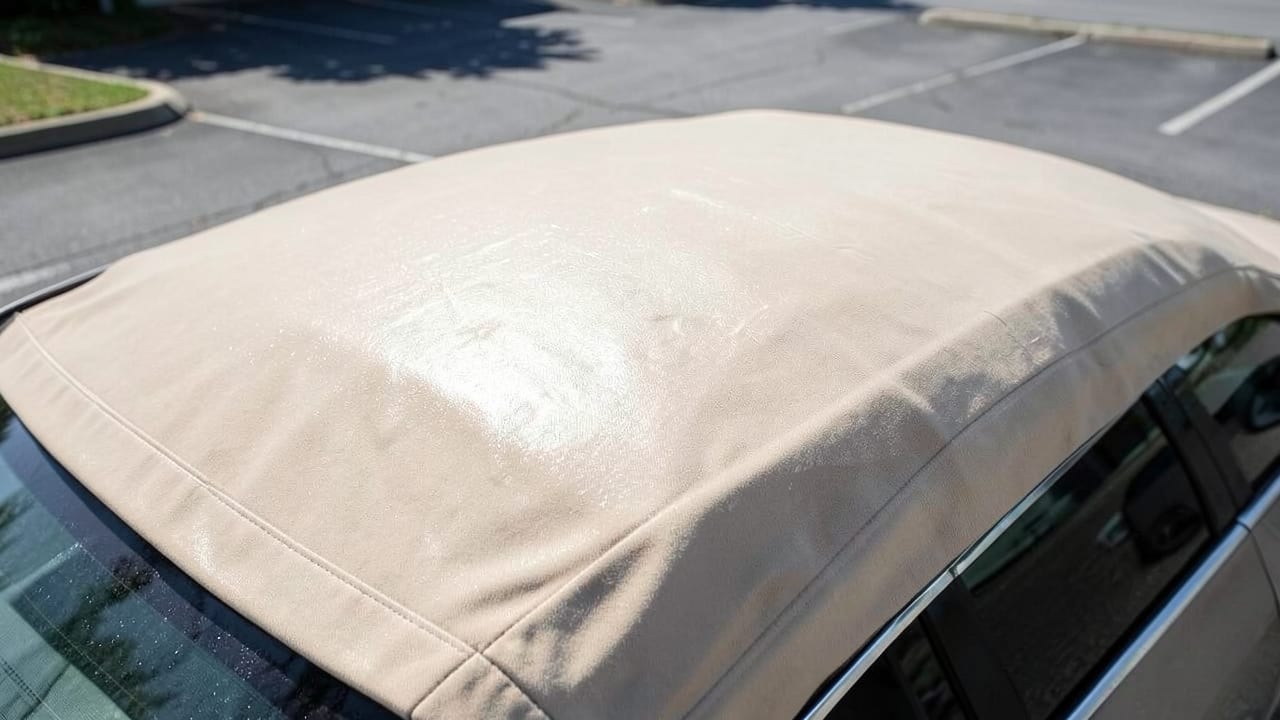
Fabric Soft Top Coating
Application of ceramic coating to protect and enhance fabric soft tops on vehicles.
Fabric Soft Top Coating in Honolulu protects your convertible’s roof fabric with a ceramic layer that boosts water resistance, UV defense, and stain repellency.
The process is tailored to Honolulu’s humid climate and road conditions, helping maintain your top’s appearance and extend its lifespan against salt air, sun exposure, and environmental wear.
We also handle Bug Splatter Removal and Full-Vehicle Ceramic Coating for Honolulu vehicles.
When is fabric soft top coating needed?
Your convertible’s fabric top may need coating if water no longer beads up but instead spreads unevenly across the surface. This happens when the existing protection wears away, leaving the fabric vulnerable to stains, UV damage, and mold growth.
Fine swirl marks that appear under direct sunlight or when running your hand across the surface are another sign the fabric’s texture is degrading.
Honolulu’s mix of salt air, frequent rain, and intense sun accelerates fabric wear. If your top feels rough to the touch or loses its original softness, a coating can restore its texture and protect it from further damage.
The coating also helps repel bird droppings, tree sap, and other contaminants common in local driving conditions.
Signs Your Convertible Top Needs Coating
- Water no longer beads up but spreads or absorbs into the fabric instead of rolling off.
- Fabric feels rough or gritty when touched, rather than smooth and soft.
- Visible swirl marks, stains, or discoloration that don’t wash out easily.
- Fabric appears dull or faded, especially in areas exposed to direct sunlight or salt air.
What affects pricing and timing?
Pricing for Fabric Soft Top Coating depends on the size of your convertible top, the extent of pre-existing wear, and the type of ceramic coating chosen. Larger tops or heavily stained fabric may require additional prep work, such as deep cleaning or stain treatment, which can extend the process.
The coating itself is applied in a controlled environment to ensure proper curing, a step that takes time to complete safely.
Honolulu’s humidity and temperature can also influence scheduling. Coating is best applied when conditions are stable—typically between 60% and 80% humidity and temperatures between 65°F and 85°F. If conditions are outside this range, the job may need to be rescheduled to avoid issues like uneven curing or streaking.
How long does fabric soft top coating last?
The lifespan of Fabric Soft Top Coating depends on how well the fabric is maintained after application. In Honolulu’s climate, regular cleaning with a pH-neutral soap and avoiding automatic car washes with brushes can help the coating last longer.
Direct sun exposure, salt air, and frequent washing can shorten its effectiveness, so parking in shade or a garage when possible and rinsing off contaminants promptly are key.
Unlike paint coatings, fabric coatings don’t provide impact protection against rock chips or deep scratches. They enhance water resistance, UV protection, and stain repellency, but they won’t prevent physical damage. Proper care after application is critical to maximizing the coating’s benefits over time.
Exposing the coated fabric to rain or washing it before the full cure period (typically 72 hours) can cause water spots or uneven curing. Parking in direct sunlight during the first few days may also lead to flash-curing, which creates high spots in the finish.
How fabric soft top coating works
The process begins with thorough cleaning and ends with a protective ceramic layer applied to your convertible’s fabric top.
- 1Foam Pre-Wash and Wheel Cleaning
The vehicle undergoes a foam pre-wash to lift surface dirt, followed by a dedicated wheel-and-tire cleaning pass. Different mitts are used for paint and wheels to prevent brake dust from scratching the fabric during prep.
- 2Chemical Decontamination
Iron remover strips embedded brake dust, and tar/bug remover lifts road residue. These steps occur before any mechanical contact to ensure contaminants below the surface are removed.
- 3Clay Bar Treatment
A clay bar or mitt is worked across the fabric with lubricant to pull out bonded contaminants like overspray or industrial fallout, leaving the surface physically smooth.
- 4Ceramic Coating Application
The coating is applied panel by panel in a dust-free space at controlled humidity and temperature. It’s left undisturbed to cure fully before the vehicle is exposed to rain or washing.
- 5Post-Cure Care
For the first 72 hours, avoid washing or exposing the coated fabric to rain. Park in shade or a garage to allow even curing, and use a two-bucket wash method with pH-neutral soap afterward.
Frequently asked questions
Will Fabric Soft Top Coating restore my convertible top to its original condition?
Coating enhances water resistance, UV protection, and stain repellency, but it won’t reverse deep stains, tears, or physical damage. If your fabric has significant wear, additional cleaning or repairs may be needed before coating for the best results.
How often should I have my fabric top recoated?
In Honolulu’s climate, recoating is typically recommended every 2–3 years, depending on exposure to sun, salt air, and how often the top is used. Regular cleaning with mild soap and avoiding harsh chemicals can help extend the time between coatings.
Can I wash my car normally after the coating is applied?
Yes, but use a two-bucket wash method with a pH-neutral soap to avoid fine scratching. Avoid automatic car washes with brushes, especially during the first few weeks, as they can introduce micro-scratches that shorten the coating’s lifespan.
Does the coating protect against mold or mildew?
The coating helps repel moisture, reducing the risk of mold and mildew, but it isn’t a complete barrier. Proper ventilation and occasional cleaning with a mild antifungal treatment can further prevent growth, especially in Honolulu’s humid conditions.
See Waiahole-Waikane, HI for more, or explore every option available in Honolulu in full for our complete lineup.
Ready to get started?
Talk to a local ceramic coating pro in Honolulu — get a written quote.
Other Ceramic Coating Services in Honolulu
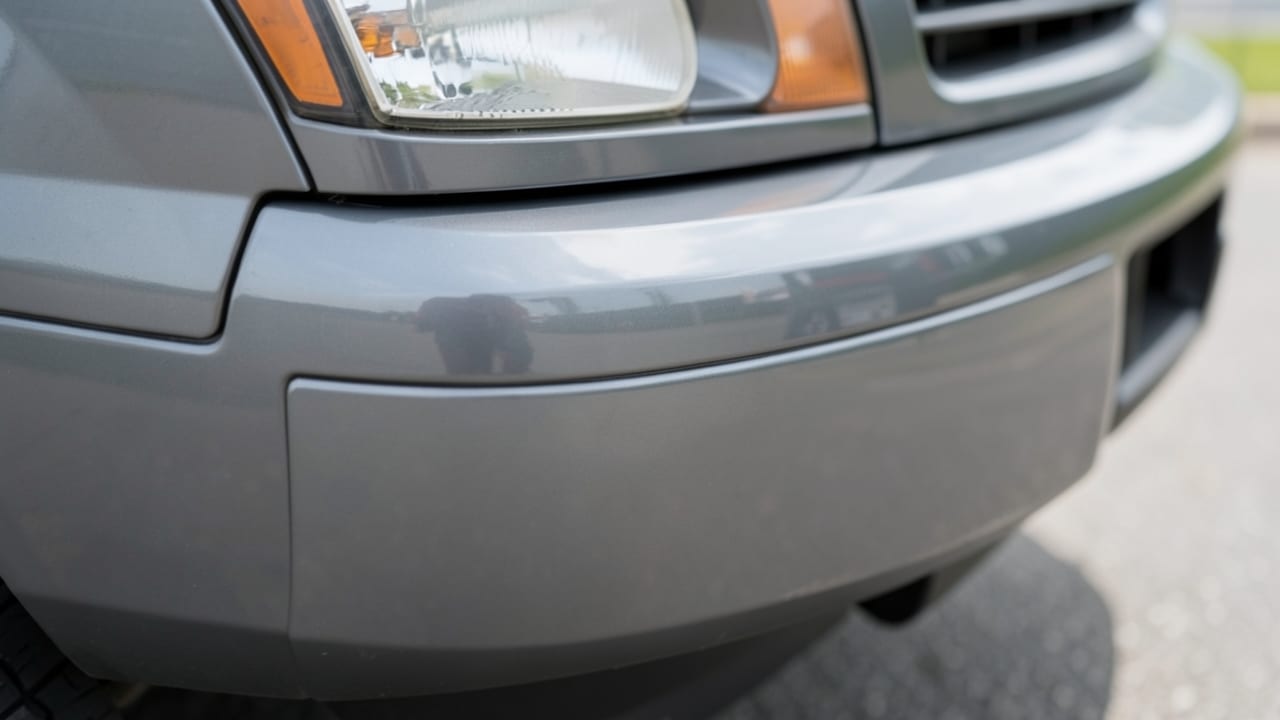
Bug Splatter Removal in Honolulu, HI
Professional removal of insect residue from vehicle paint without damaging the ceramic coating or finish.
Learn More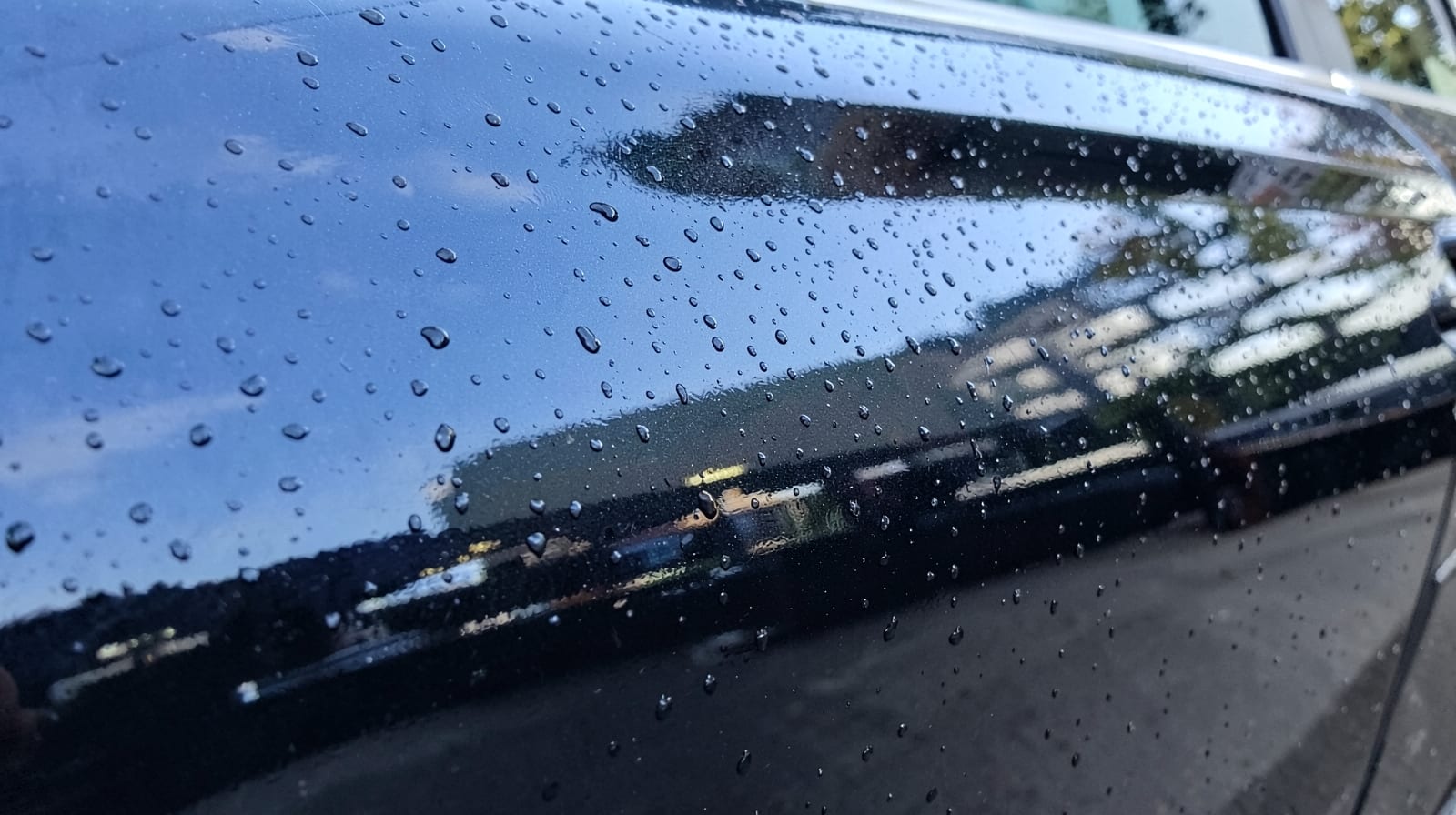
Full-Vehicle Ceramic Coating in Honolulu, HI
Professional nano-ceramic coating for vehicles in Honolulu, HI — a hard, semi-permanent SiO2 layer for deep gloss, strong hydrophobic protection, and easier washing.
Learn More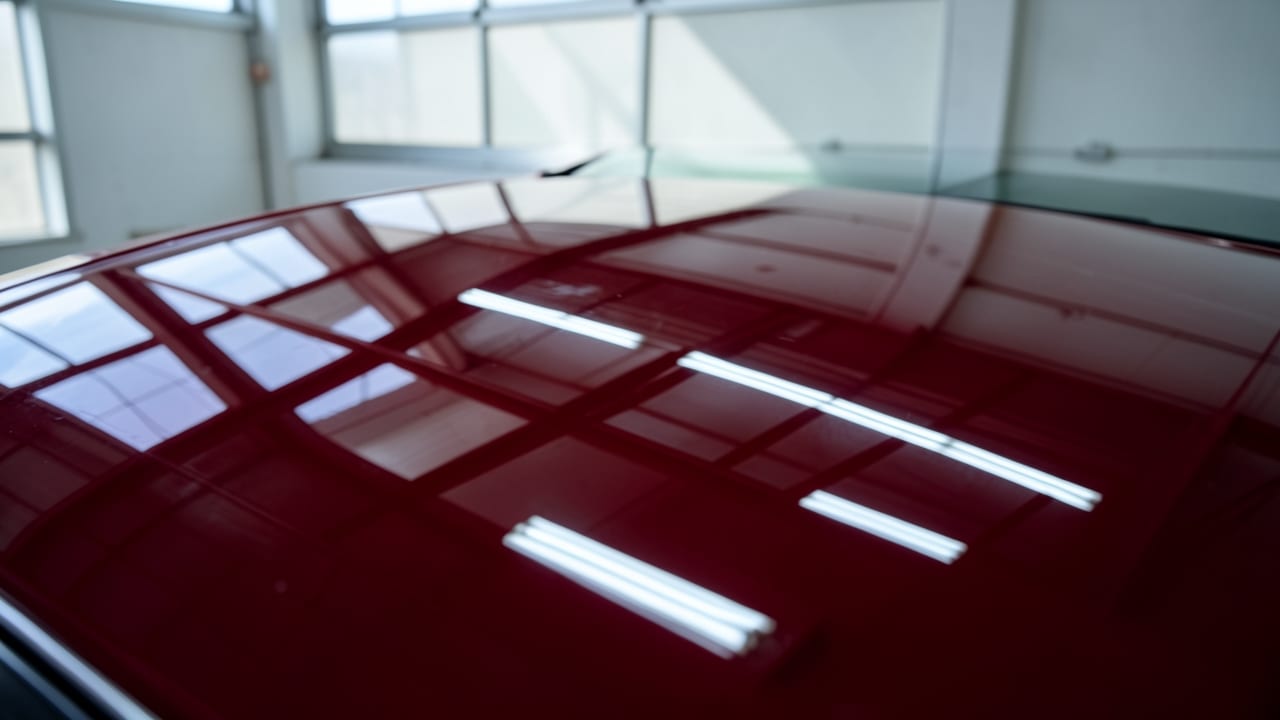
Paint Correction & Polishing in Honolulu, HI
Machine paint correction and polishing in Honolulu, HI — removes swirl marks, oxidation, and water spots, and is the mandatory first step before any ceramic coating.
Learn More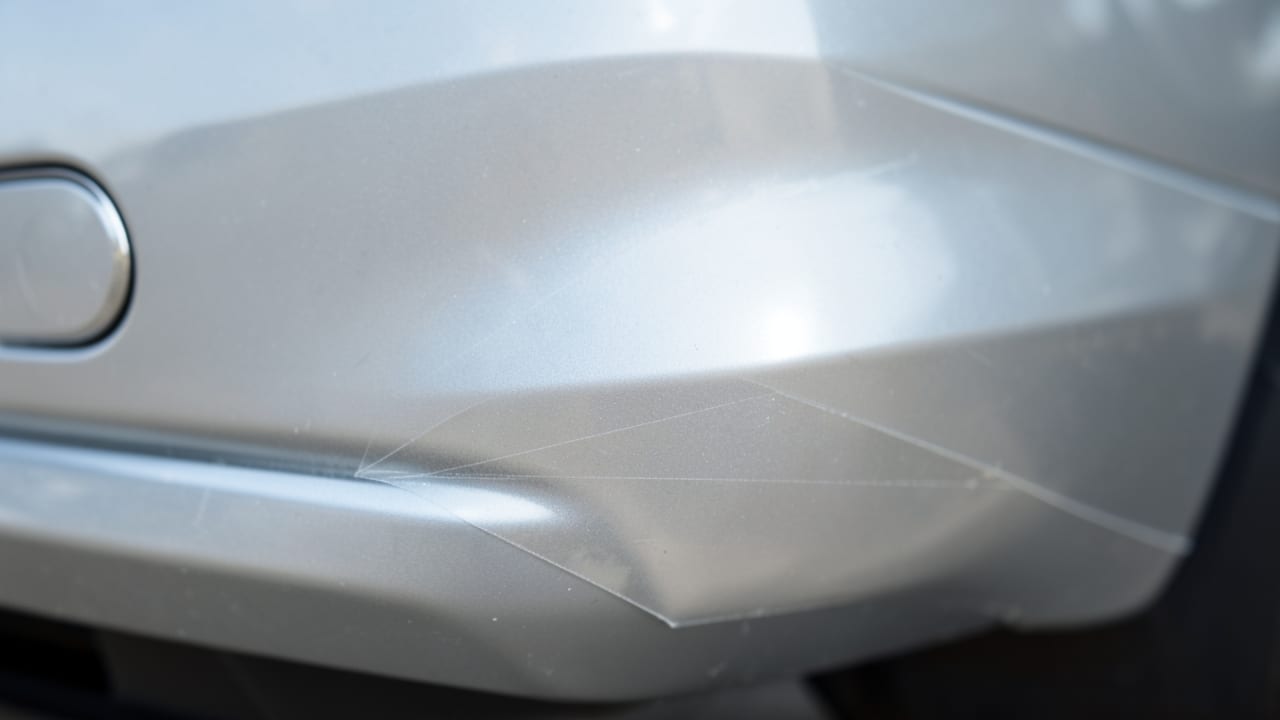
Paint Protection Film (PPF) Installation in Honolulu, HI
Self-healing clear PPF installation in Honolulu, HI for high-impact panels or a full-body wrap — real physical protection against rock chips and road debris.
Learn More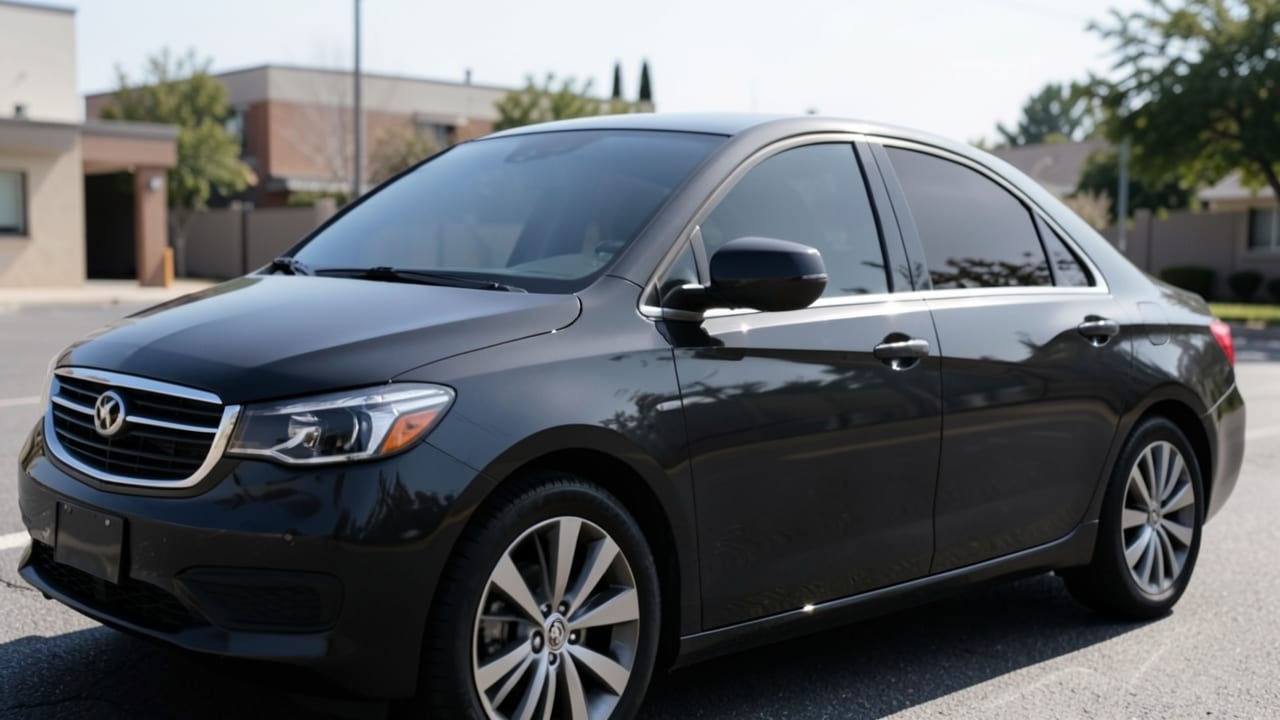
Ceramic Window Tint in Honolulu, HI
Nano-ceramic window tint in Honolulu, HI — rejects heat and blocks 99% of UV without the signal interference or fading of cheaper films.
Learn More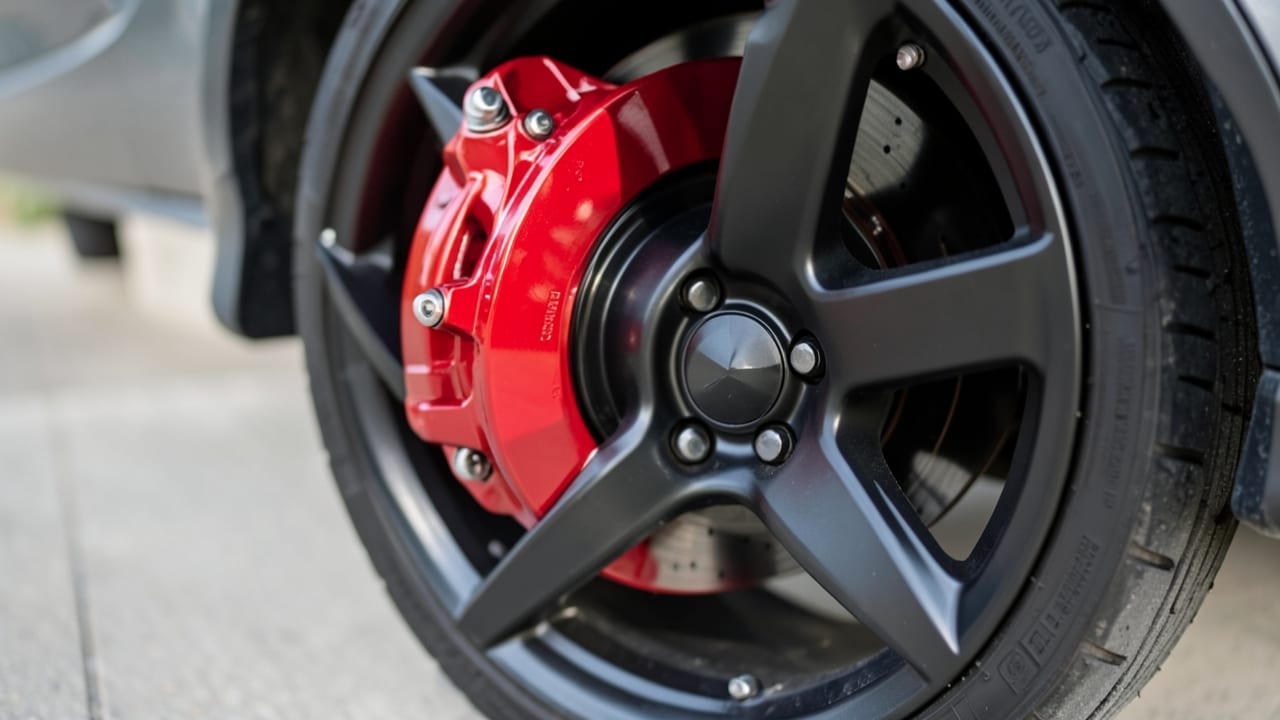
Wheel & Brake Caliper Ceramic Coating in Honolulu, HI
Dedicated ceramic coating for wheels and brake calipers in Honolulu, HI — stops brake dust and corrosive grime from bonding to the finish.
Learn MoreCommon Questions About Ceramic Coating in Honolulu
Everything you need to know about ceramic coating services in Honolulu
How much does Fabric Soft Top Coating typically cost in Honolulu, HI?
Does intense UV and dust in Honolulu, HI change coating maintenance?
What is the difference between graphene and SiO2 ceramic coatings?
Does a ceramic coating need to be topped up over time?
Can a ceramic coating be applied over existing swirl marks or light scratches?
Is ceramic coating ever covered by comprehensive auto insurance?
Need Ceramic Coating in Honolulu?
Get a written quote from our Honolulu crew.
⏰ We answer your call • Serving all of Honolulu and surrounding areas