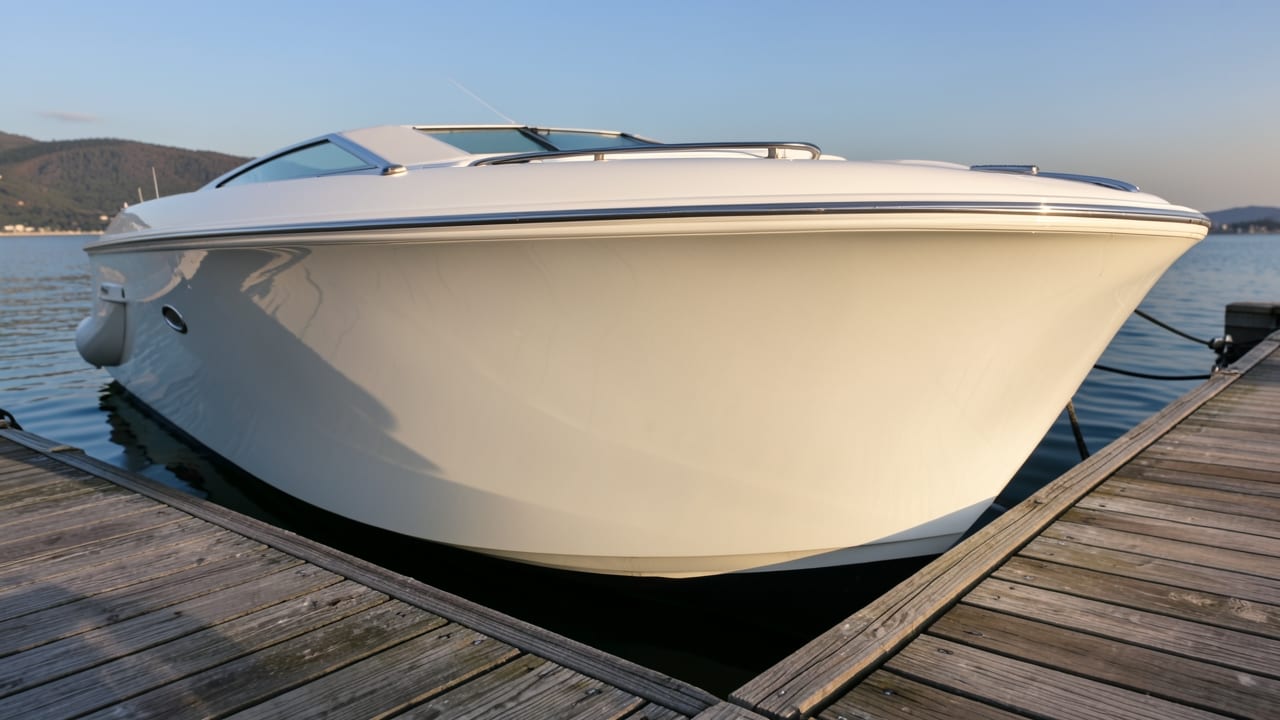
Boat Gelcoat Restoration
Restoring and protecting boat gelcoat with ceramic coatings to renew shine and durability.
Honolulu’s saltwater, UV exposure, and tropical humidity take a toll on boat gelcoat finishes over time. Boat gelcoat restoration restores the original gloss and protects against fading, oxidation, and contaminants with a ceramic coating.
This process is tailored to the harsh conditions of Oahu, ensuring your vessel’s surface remains smooth and durable for years to come.
We also handle Fleet & Commercial Vehicle Coating and Graphene Coating for Honolulu vehicles.
When is restoration needed?
Boat gelcoat restoration is intended for surfaces showing signs of wear from Honolulu’s climate. Look for dullness, fine scratches visible under direct light, or water that no longer beads but spreads unevenly.
These are clear signs the protective layer has worn away, leaving the gelcoat exposed to saltwater and UV damage.
Contaminants like brake dust, industrial fallout, or embedded tar can also accumulate over time, creating a rough surface that coatings cannot hide. A proper assessment involves running clean fingertips across the gelcoat—if you feel bumps or texture, restoration is likely needed to restore a smooth, glossy finish.
Signs Your Boat Needs Restoration
- Water no longer beads but spreads into a flat sheet on the gelcoat surface.
- Fine swirl marks or scratches are visible under direct sunlight or a flashlight.
- The gelcoat feels rough or bumpy when touched with clean fingertips.
- The finish appears dull or hazy immediately after washing, rather than glossy.
What affects the process?
The restoration process includes multiple steps to ensure the ceramic coating bonds properly and lasts. Skipping any of these—such as decontamination or clay bar treatment—can lead to uneven results or reduced durability.
For example, embedded contaminants like brake dust or tar must be removed before coating, as they prevent the finish from adhering smoothly.
Environmental conditions during application also play a critical role. Coating must be applied within a specific temperature and humidity range to avoid high spots or streaks. Even minor deviations can affect how the coating cures, potentially requiring additional polishing or reapplication.
| Step | Purpose | Why It Matters |
|---|---|---|
| Foam Pre-Wash & Wheel Cleaning | Removes loose dirt and brake dust before mechanical contact with the gelcoat. | Prevents scratching from abrasive particles carried onto the surface. |
| Chemical Decontamination (Iron Remover, Tar Remover) | Strips embedded contaminants below the surface. | Ensures contaminants don’t interfere with coating adhesion. |
| Clay Bar Treatment | Physically smooths the gelcoat by removing bonded contaminants. | Creates a glass-smooth surface for optimal coating performance. |
| Paint Inspection & Correction | Identifies and corrects swirl marks or light scratches. | Prevents locking in imperfections under the coating. |
| Panel Wipe-Down with Isopropyl Alcohol | Removes polish or wax residue before coating. | Ensures the coating bonds directly to bare gelcoat. |
| Coating Application & Cure | Applies the ceramic coating in controlled conditions. | Determines the durability and appearance of the final finish. |
Honolulu-specific considerations
Honolulu’s saltwater and high humidity accelerate gelcoat degradation, making regular maintenance essential. The ceramic coating applied during restoration adds a layer of protection against UV rays, salt corrosion, and minor contaminants, helping the finish last longer in these conditions.
After restoration, proper care during the first few weeks is critical. Parking in shade or a garage, avoiding automatic car washes, and rinsing off contaminants like bird droppings promptly can prevent premature wear. These habits set the foundation for long-term performance.
How boat gelcoat restoration works
This process restores and protects your boat’s gelcoat finish using a ceramic coating.
- 1Decontamination
The gelcoat is cleaned with a foam pre-wash and wheel cleaning to remove loose dirt. Chemical decontamination follows, using iron removers and tar removers to strip embedded contaminants that can’t be washed away.
- 2Clay Bar Treatment
A lubricant and clay bar are used to physically remove bonded contaminants like overspray or industrial fallout, leaving the surface smooth to the touch. This step ensures the coating adheres evenly.
- 3Paint Correction
The gelcoat is inspected under raking light for swirl marks or scratches. A correction polish is applied where needed to remove imperfections before coating, as these will be locked in permanently if left untreated.
- 4Coating Application
The ceramic coating is applied panel by panel in a dust-free environment within the optimal temperature and humidity range. The boat is left undisturbed during the cure period to ensure proper hardening.
- 5Post-Cure Care
After curing, the boat should be washed using a two-bucket method with pH-neutral soap and parked in shade for the first few days. Avoiding automatic car washes and rinsing off contaminants promptly helps maintain the finish.
Frequently asked questions
How do I know if my boat’s gelcoat needs restoration?
Check for dullness, water that doesn’t bead, or fine scratches visible under direct light. Running clean fingertips across the surface should feel smooth—bumps or texture indicate contaminants or damage.
Will a ceramic coating hide deep scratches or rock chips?
No. Ceramic coatings add surface hardness and protection against light swirling, but they do not repair deep scratches or rock chips. These require separate repair work before coating.
How long does the restoration process take?
The process typically takes 1–3 days, depending on the boat’s size and surface condition. This includes prep, correction, coating application, and cure time.
Can I wash my boat immediately after the coating is applied?
No. The coating requires a full cure period, usually 3–7 days, before exposure to water or washing. Washing too soon can cause water spots or compromise adhesion.
See Whitmore Village, HI for more, or discover our complete Honolulu service list at a glance for our complete lineup.
Ready to get started?
Talk to a local ceramic coating pro in Honolulu — get a written quote.
Other Ceramic Coating Services in Honolulu
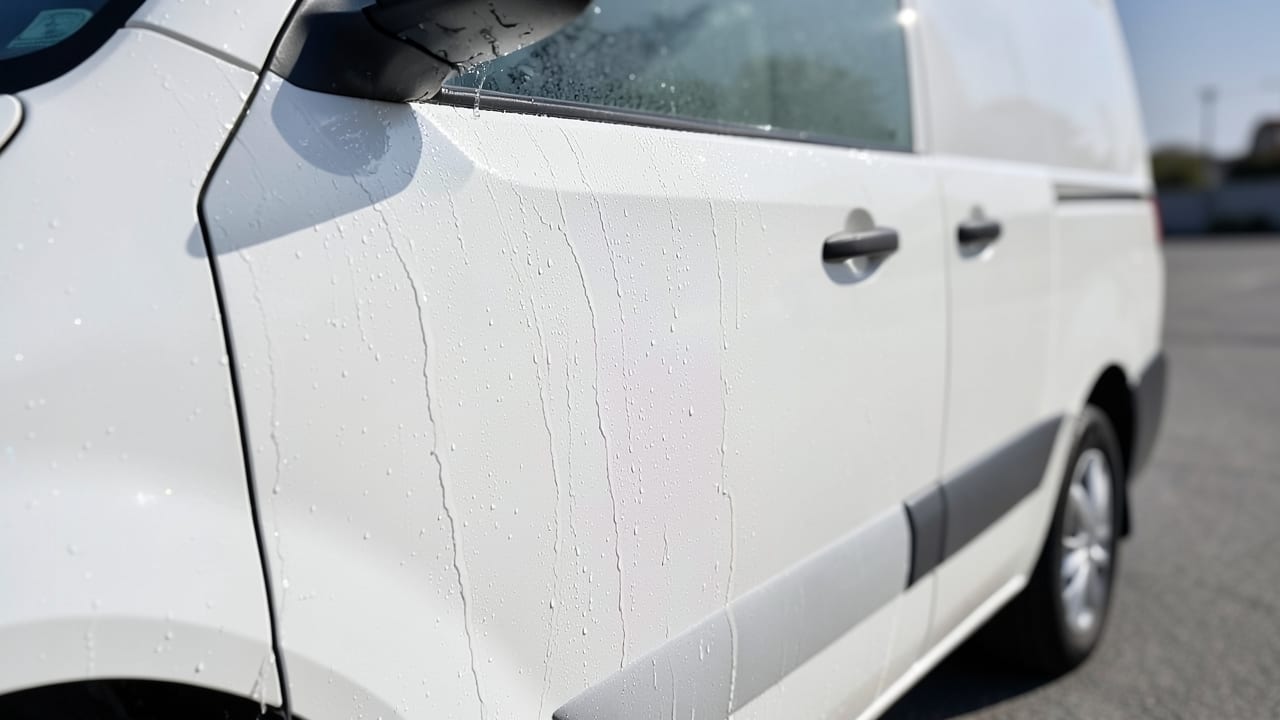
Fleet & Commercial Vehicle Coating in Honolulu, HI
Ceramic coating programs for fleets and commercial vehicles in Honolulu, HI — faster washing, longer-lasting branded wraps, and protected resale value.
Learn More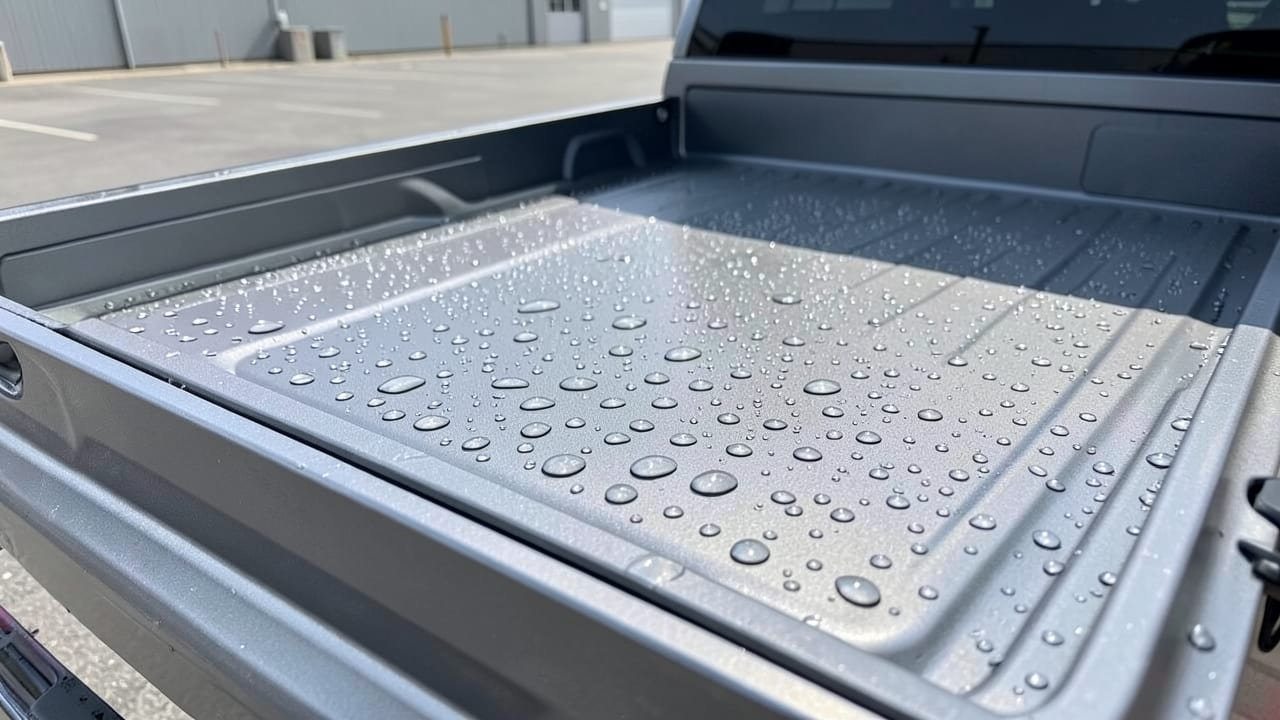
Graphene Coating in Honolulu, HI
Graphene coating in Honolulu, HI — a premium ceramic alternative with better heat rejection and hydrophobic durability.
Learn More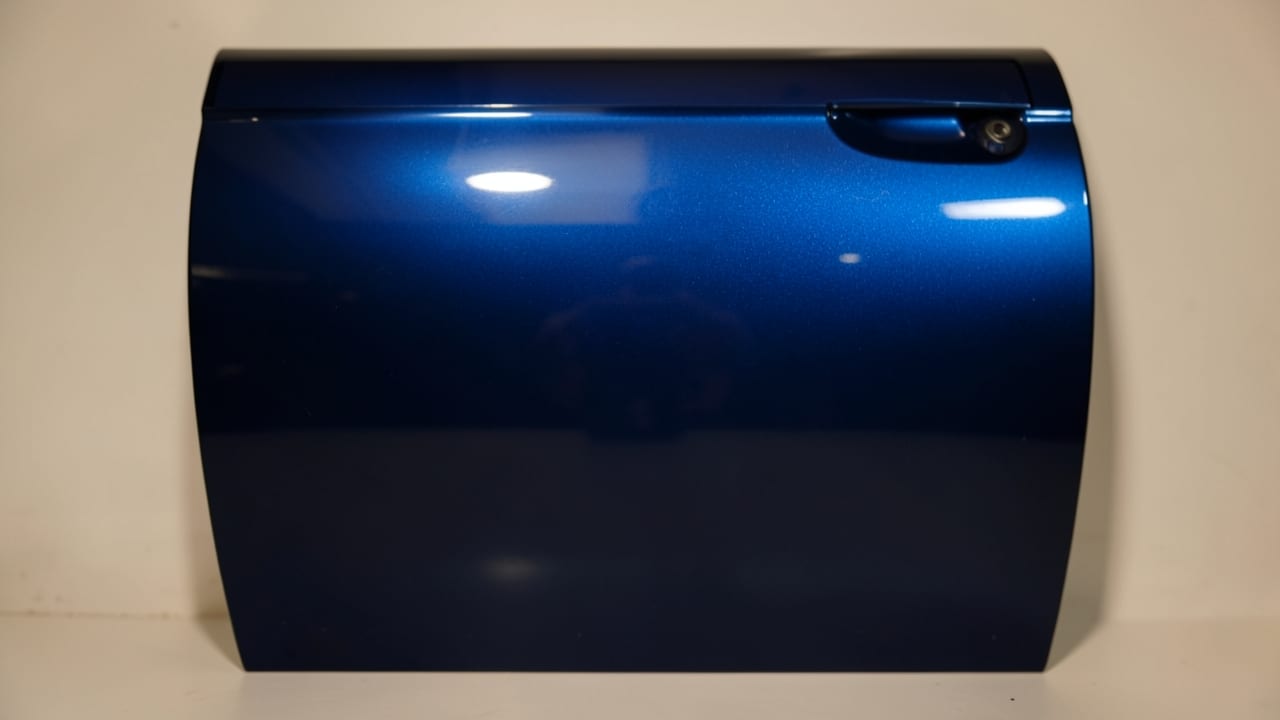
Clay Bar Paint Decontamination in Honolulu, HI
Clay bar paint decontamination in Honolulu, HI removes bonded surface contaminants a wash alone can't touch, before coating or correction.
Learn More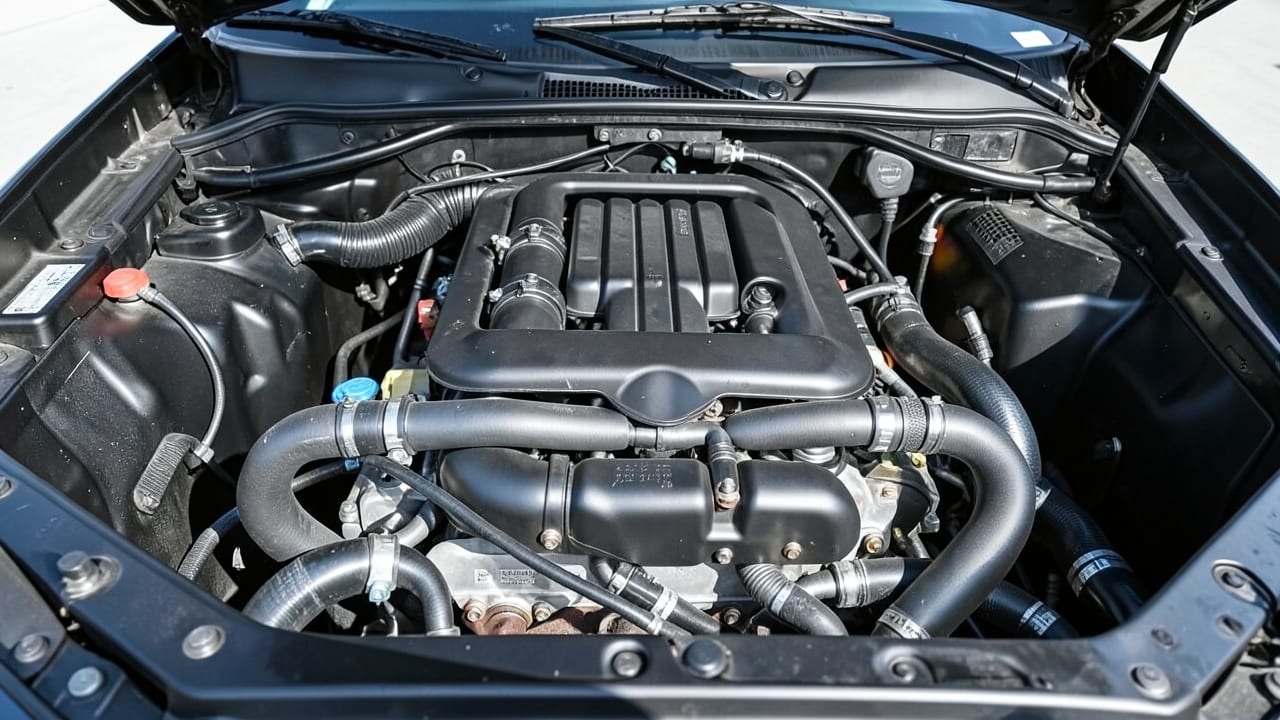
Engine Bay Detailing in Honolulu, HI
Engine bay detailing in Honolulu, HI — safe degreasing and dressing of the engine compartment without risking electrical components.
Learn More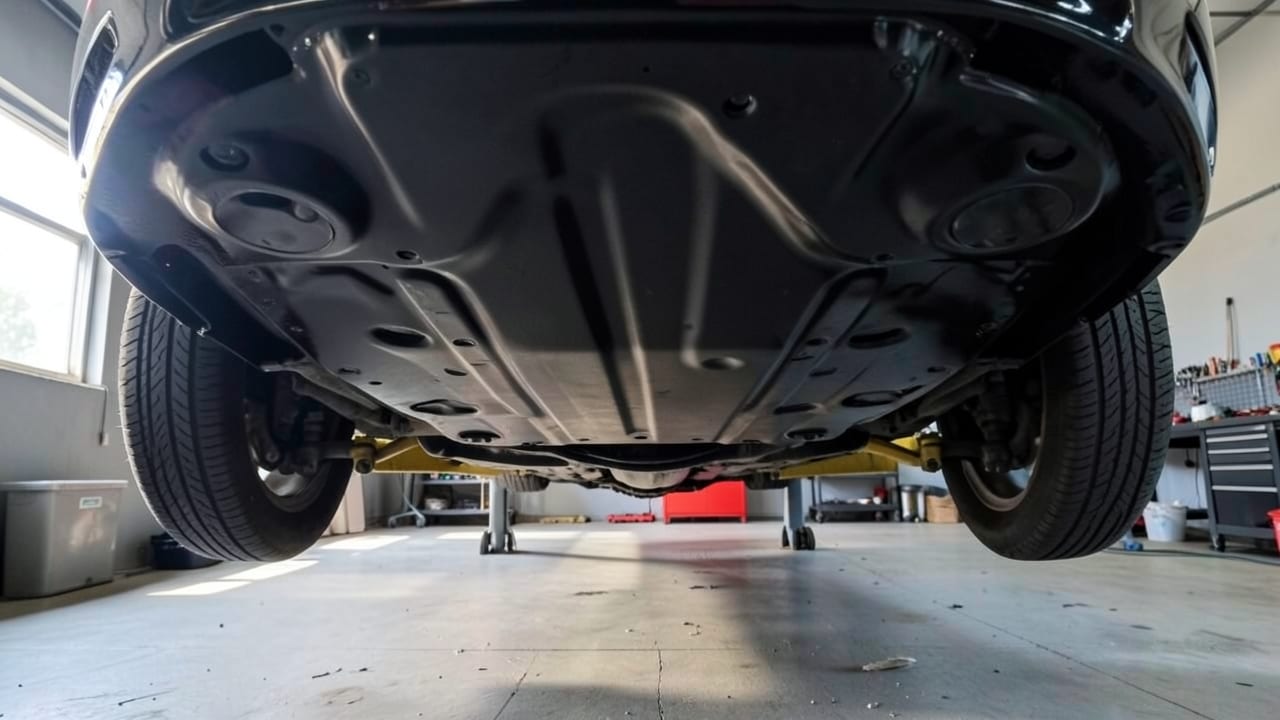
Undercoating Rustproofing in Honolulu, HI
Ceramic undercoating applied to vehicle chassis to prevent rust and corrosion.
Learn More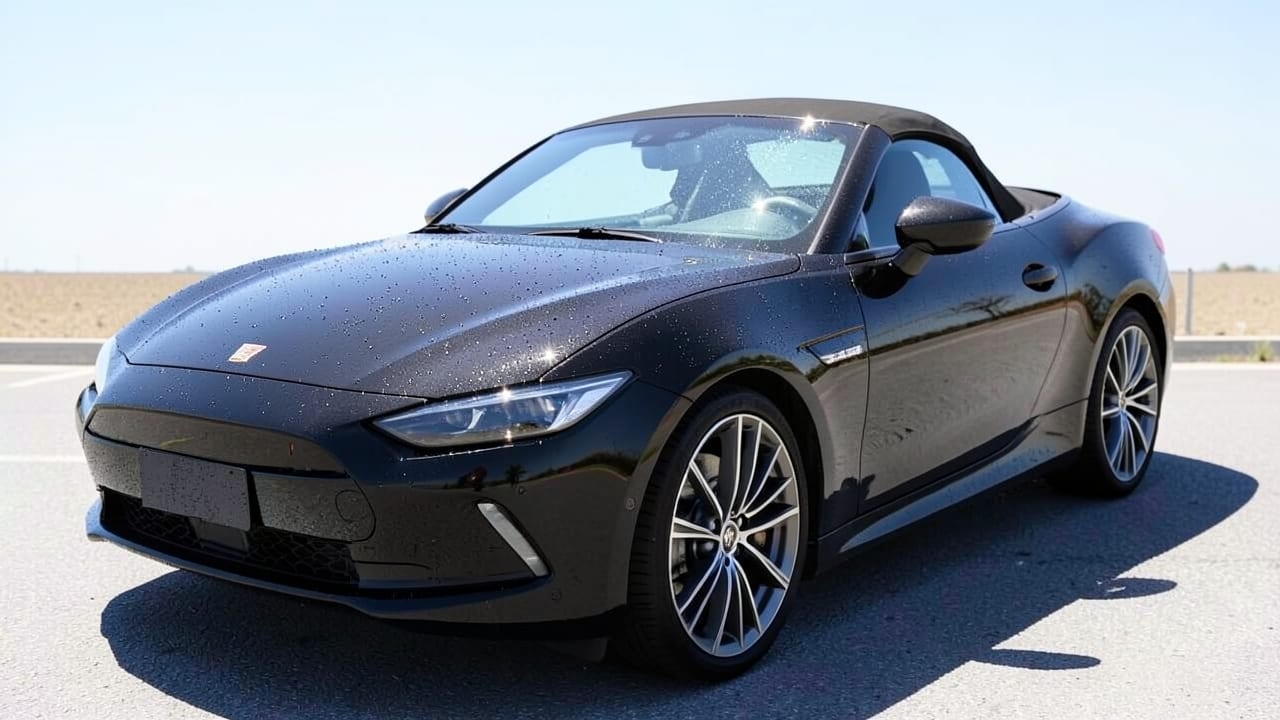
Convertible Top Protection in Honolulu, HI
Ceramic coating and protective treatments applied to convertible tops for durability and UV resistance.
Learn MoreCommon Questions About Ceramic Coating in Honolulu
Everything you need to know about ceramic coating services in Honolulu
How much does Boat Gelcoat Restoration typically cost in Honolulu, HI?
Does intense UV and dust in Honolulu, HI change coating maintenance?
How long does a ceramic coating actually last in real-world use?
What is the difference between graphene and SiO2 ceramic coatings?
Does a ceramic coating need to be topped up over time?
Can a ceramic coating be applied over existing swirl marks or light scratches?
Need Ceramic Coating in Honolulu?
Get a written quote from our Honolulu crew.
⏰ We answer your call • Serving all of Honolulu and surrounding areas